


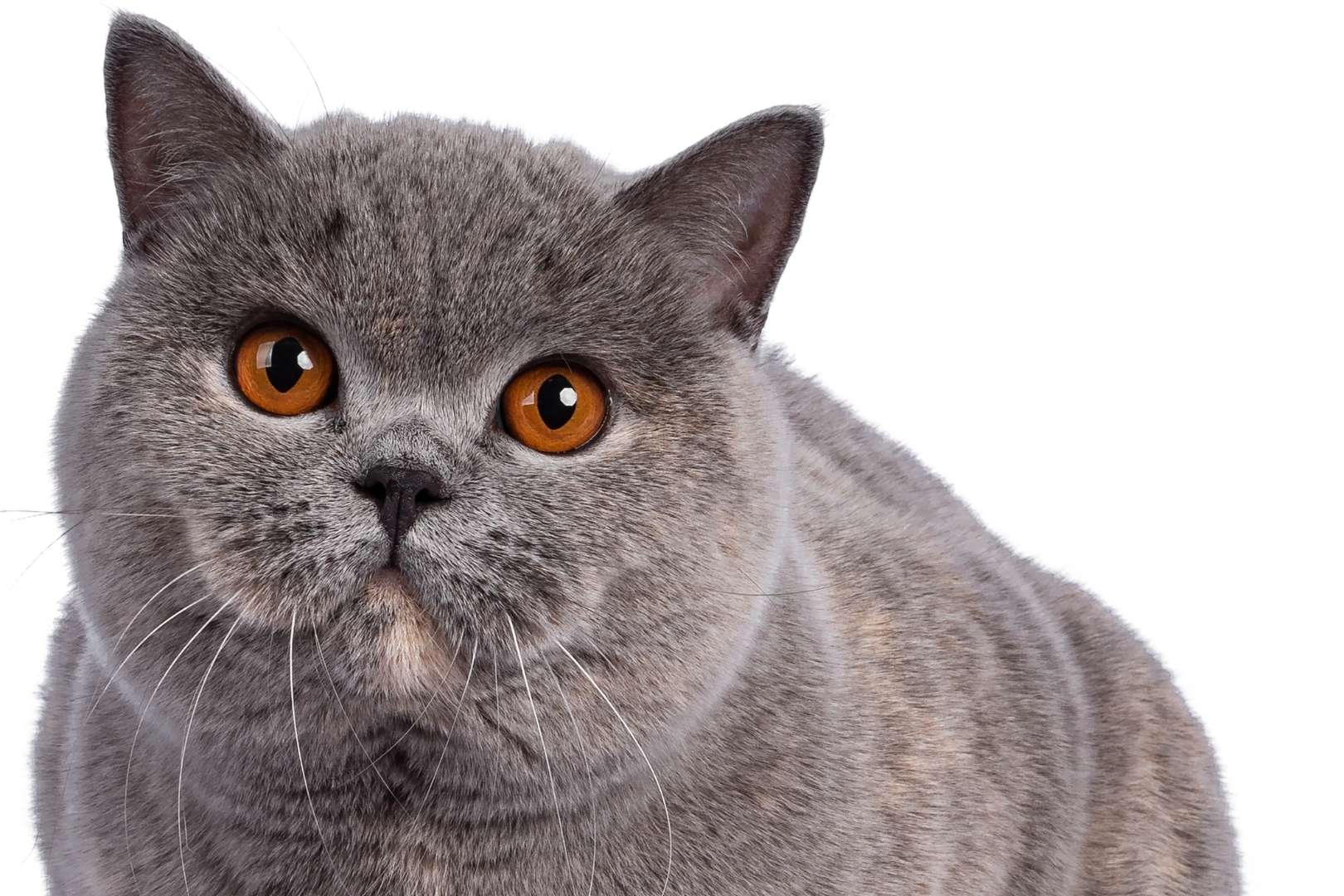
The British Shorthair is predisposed to hypertrophic cardiomyopathy (heart disease), obesity, and kidney disease. Preventive monitoring with echocardiography (ultrasound) and regular blood tests is key to their health.
The British Shorthair is a cat breed that is becoming increasingly common in Barcelona homes. Its balanced temperament and ability to adapt well to apartment living make it a popular choice. However, from a veterinary point of view, it is a breed that requires specialised preventive monitoring, especially in the cardiovascular and metabolic areas.
In this article, we discuss the most common health problems in British Shorthairs, the recommended preventive tests, and how to adapt their care to an urban environment such as Barcelona.
If you want to learn more about its origins, character, and keys to living together, you can consult our specific guide on the British Shorthair.
Characteristics of the British Shorthair and factors that influence their health
The British Shorthair is a medium to large breed with a sturdy build and slow growth rate.
- Typical weight:
- Males: 5–8 kg.
- Females: 4–6 kg.
- Full physical maturity: between 3 and 5 years.
- Average life expectancy: 12–16 years.
Their compact body structure and moderate activity level directly influence some of the most common health problems, especially obesity and related diseases.
Common diseases in British Shorthairs: prevention and early detection
Hypertrophic cardiomyopathy (HCM) in British Shorthairs: signs and diagnosis
What is it?
It is the most common heart disease in cats. It is characterized by the thickening of the heart muscle, which makes it difficult for the heart to fill and pump properly.
Genetic predisposition:
The British Shorthair has a documented genetic predisposition. It can affect young cats that appear healthy.
Early signs
- Absence of symptoms in the initial stages.
- Faster breathing while resting.
- Inability to exercise.
- In severe cases: thromboembolism (sudden paralysis of the hind limbs).
Routine diagnostic tests
- Doppler echocardiography (test of choice).
- Electrocardiogram.
- Chest X-ray.
Importance of early detection:
It allows treatment to be started before the onset of heart failure or thromboembolic complications.
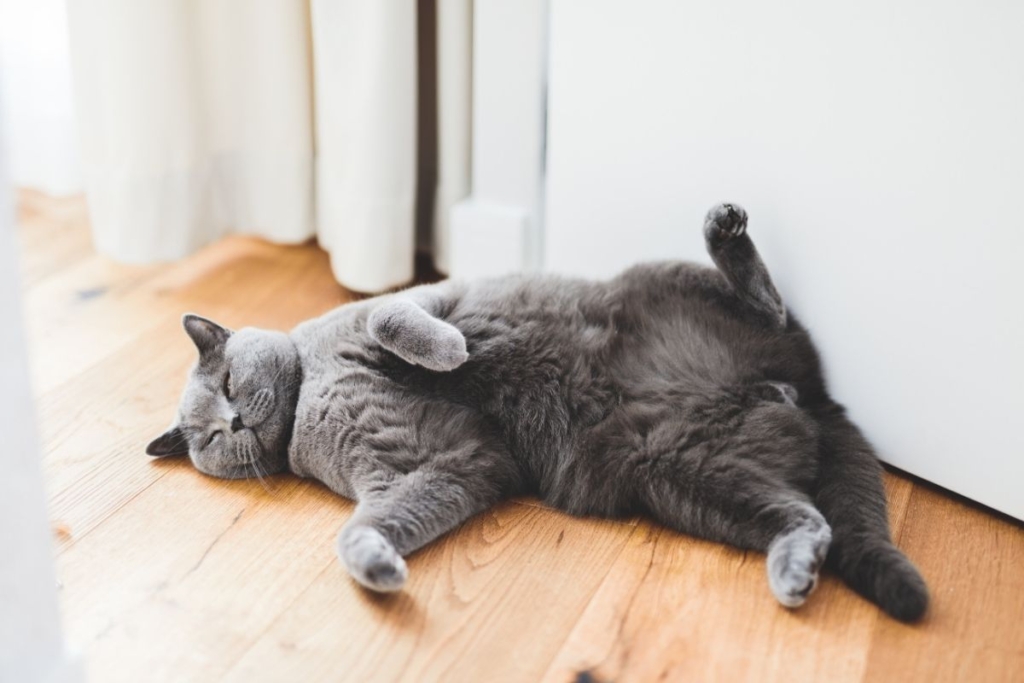
Obesity in British Shorthairs: metabolic and joint risks and prevention
What is it?
Excessive accumulation of body fat with widespread health consequences.
Why is this breed predisposed?
- Low to moderate activity level.
- Natural tendency to gain body mass with age.
- Indoor living.
Early signs
- Loss of abdominal waistline.
- Difficulty jumping.
- Decreased activity.
Routine diagnostic tests
- Evaluación de condición corporal.
- Analítica sanguínea para valorar perfil metabólico.
Importance of early detection
Reduces the risk of diabetes mellitus, degenerative joint disease, and complications from anesthesia.
Chronic kidney disease in British Shorthairs: symptoms and recommended tests
What is it?
Progressive and irreversible deterioration of kidney function.
Predisposition
There may be a hereditary component in certain lines, in addition to the risk associated with age.
Early signs
- Increased water consumption.
- Increased urine volume.
- Weight loss.
Routine diagnostic tests
- Blood test with creatinine and SDMA.
- Complete urinalysis.
- Abdominal ultrasound.
Importance of early detection
It allows for the introduction of a special kidney diet and other measures to slow down the progression of the disease.
Polycystic kidney disease (PKD) in British Shorthairs: detection and monitoring
What is it?
A hereditary disease characterized by the formation of cysts in the kidneys.
Genetic predisposition
Mainly found in Persians and related breeds; may appear in certain lines of British Shorthairs.
Early signs
Often asymptomatic in the early stages.
Routine diagnostic tests
- Abdominal ultrasound.
- Genetic testing in breeding animals.
Importance of early detection
It allows for structured monitoring and responsible decisions in breeding.
Dental health in British Shorthairs: periodontal disease and prevention
What is it?
Chronic inflammation of the gums and dental structures.
Predisposition
Periodontal disease is very common in cats and requires prevention from an early age.
Early signs
- Bad breath.
- Reddened gums.
- Discomfort when eating.
Routine diagnostic tests
- Oral examination.
- Dental X-ray under anesthesia.
Importance of early detection
Prevents chronic pain and problems that could extend throughout the body.
Preventive veterinary plan for British Shorthairs: tests and schedule
A structured plan allows you to detect silent diseases before they cause any symptoms.
Preventive echocardiography
- From 1–2 years, if there is a medical history.
- Repeat every 1–2 years according to cardiological criteria.
Complete blood analysis
- Annual from age 7.
- Includes kidney, liver, and glucose profiles.
Blood pressure monitoring
- Starting in adulthood.
- Essential for senior patients.
Abdominal ultrasound
- From age 7–8 or earlier if clinically suspected.
Annual dental checkup
- Starting at age 2–3.
Coordinated prevention between cardiology, internal medicine, dentistry, and diagnostic imaging is key in British Shorthairs.
Warning signs in British Shorthairs: when to go to the vet
Consult your veterinarian if you notice:
- Rapid breathing while resting.
- A sudden decrease in activity.
- Progressive weight loss.
- Increased thirst.
- Difficulty jumping.
- Changes in usual behavior.
In this breed, many diseases develop silently.

Caring for British Shorthairs in Barcelona: climate, apartment living, and prevention
Climate in Barcelona: how it affects the British Shorthair
Summer heat can aggravate cardiovascular and metabolic problems.
- Keep the area well ventilated.
- Provide several water stations.
- Avoid prolonged direct exposure to the sun.
Apartment living: obesity prevention and play routines
- Strict meal portion control.
- Vertical environmental enrichment.
- Daily structured play to prevent obesity.
Urban stress: prevention and compassionate handling
Although it is a stable breed, sudden changes can cause urinary disorders or anorexia. Respectful and gentle handling reduces risks.
In the veterinary setting, Fear Free and Cat Friendly protocols improve the clinical experience and patient cooperation.
Frequently asked questions about British Shorthair health
Is it a healthy breed?
They are robust, but with a clear predisposition to hypertrophic cardiomyopathy and obesity, which requires preventive monitoring.
Should they have an echocardiogram even if they are healthy?
Yes, especially if they come from lines with a history of it.
What age should geriatric checkups start?
From the age of 7–8, a comprehensive annual checkup is recommended.
Is obesity just a matter of appearance?
No. It increases cardiovascular, renal, and joint risk.
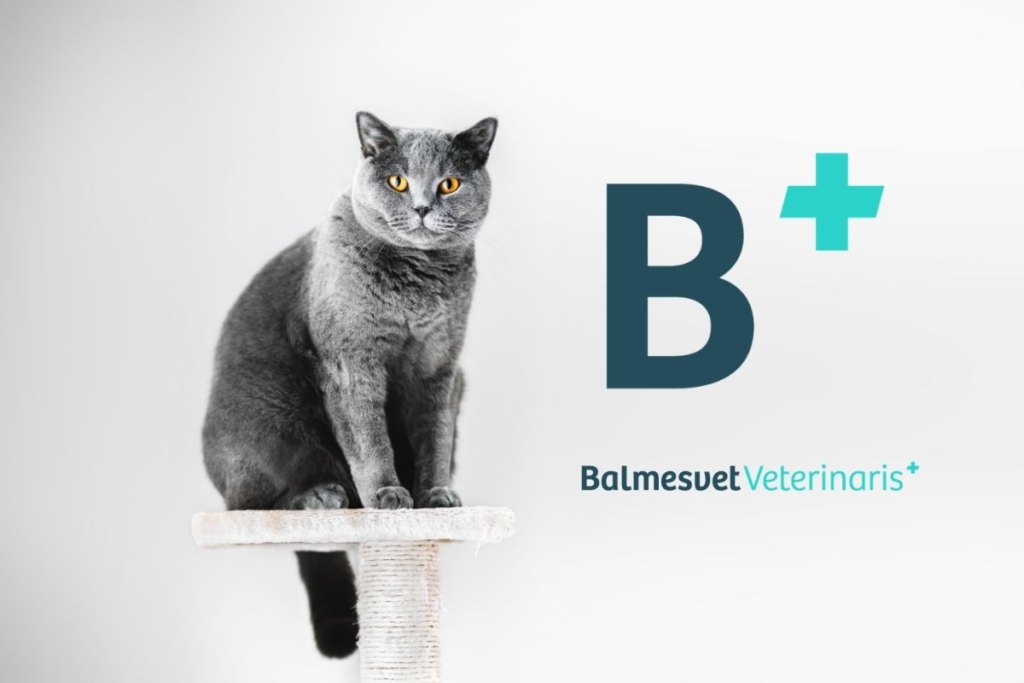
Veterinarians for British Shorthairs in Barcelona: preventive care at Balmesvet
At Balmesvet Veterinary Hospital, a leading hospital in Barcelona, we carry out specific preventive monitoring for breeds such as the British Shorthair.
Our approach combines:
- Advanced cardiology.
- Internal medicine and in-house laboratory.
- Diagnostic imaging.
- Veterinary dentistry.
- ISFM-certified Cat Friendly Gold Clinic.
- Fear Free feline handling.
Prevention in this breed is not optional; it is the most effective way to get ahead of silent diseases. Early detection is the most effective tool for ensuring a long and balanced life.
We look forward to seeing you at Calle Balmes 205, 08006, Barcelona. We are here to help you.
Balmesvet Veterinary Hospital
| Information | |
| Address | Carrer Balmes 205, 08006 Barcelona |
| Parking | Balmes 200 (30 min visits; up to 1 hour emergencies) |
| Phone | 931 173 173 |
| atencioclient@balmesvet.com | |
| Consultations | 8:30–20:00 |
| Emergency/Hospitalization | 24/7 |
Can we help you? Call us or make an appointment. 24/7 emergency services available.


 Barcelona, C/ Balmes nº 205
 931 173 173
 info@balmesvet.com