


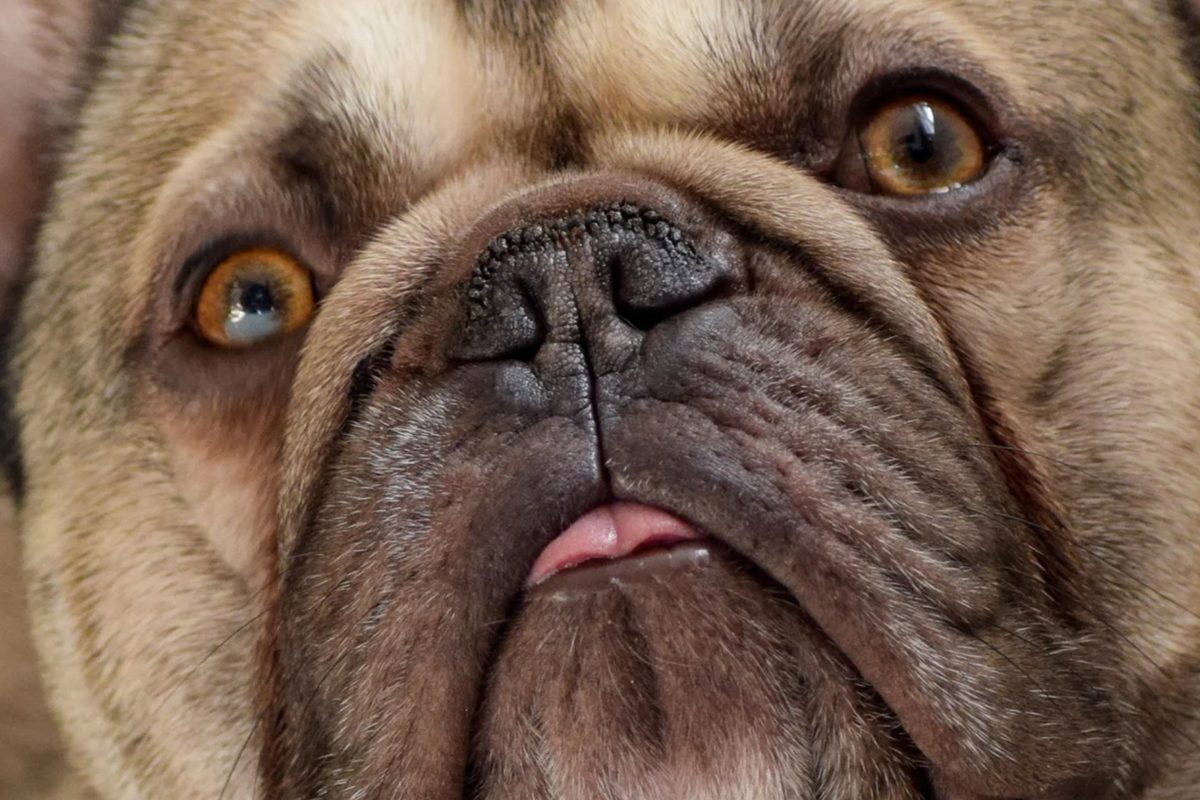
Extremely short snouts, protruding eyes, large skin folds, unusually short legs, or certain ear shapes. These are characteristics we immediately associate with certain breeds of cats and dogs, and in many cases, are part of their appeal.
But what happens when a physical trait is exaggerated to such an extent that it begins to hinder basic functions?
Breathing, seeing, moving, resting, or exhibiting normal behaviors for their species shouldn’t be made more difficult simply for the sake of aesthetics.
This issue has been a concern for veterinarians, researchers, and animal welfare organizations for years, but it’s recently gained greater visibility.
In August 2026, the documentary Flawed by Design: The Hidden Cost of the “Perfect” Pet, produced by the RSPCA with the participation of specialists from the Royal Veterinary College, once again brought this problem into the spotlight: certain characteristics that humans have selected over generations because they’re attractive may have consequences for animal health and well-being.
However, this concern doesn’t stem only from a documentary or a recent trend. There’s a body of veterinary research that’s been accumulating over the years linking certain extreme physical traits to a higher risk of disease.
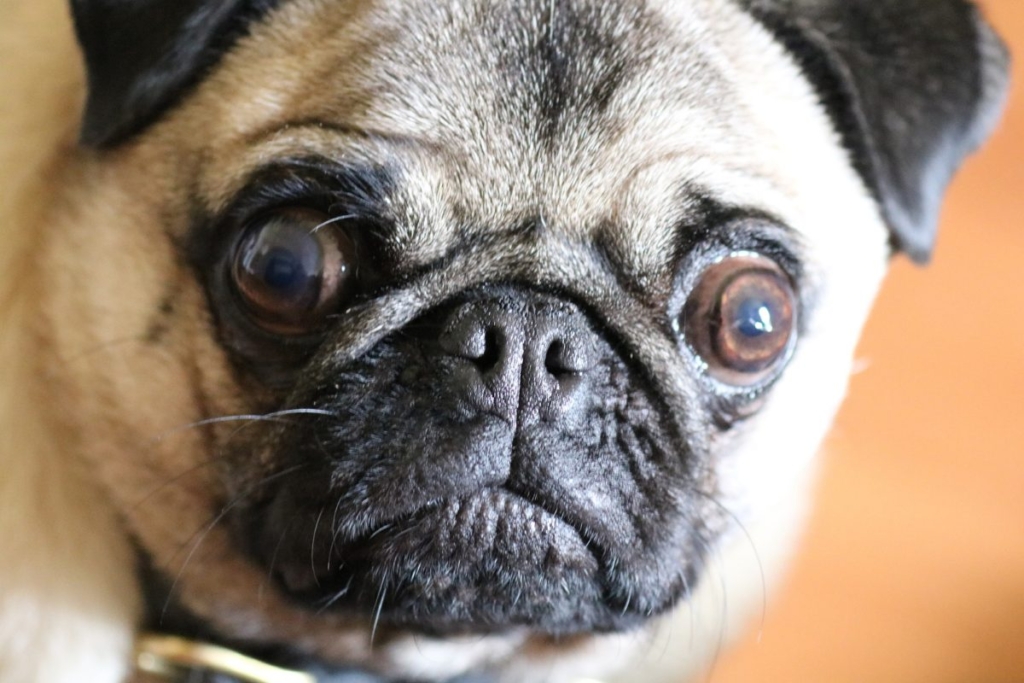
What are extreme conformation traits, and how do they affect animal well-being?
Conformation refers to the physical form and structure of a cat or dog: the proportions of its head and body, the length of its limbs, the shape of its muzzle, eyes, skin, ears, or tail, to name just a few characteristics.
A physical characteristic isn’t problematic simply because it’s typical of a breed.
Extreme conformation or excessive conformation traits refer to situations where certain anatomical characteristics are so pronounced that they can impact health, well-being, or normal physiological function.
The European Regulation on the welfare of cats and dogs specifically uses the term “extreme conformation traits” to refer to characteristics that may pose a high risk of harmful effects to the individual itself or its offspring.
When extreme traits affect the well-being of cats and dogs
The impact of a physical trait depends on the degree it’s exaggerated to and, above all, on how it affects essential functions such as breathing, seeing, moving, or maintaining healthy skin.
Some examples of particular concerns in veterinary medicine are:
- Extremely short muzzles and very narrow nostrils.
- Excessively protruding eyes.
- Very deep skin folds.
- Exaggerated body proportions.
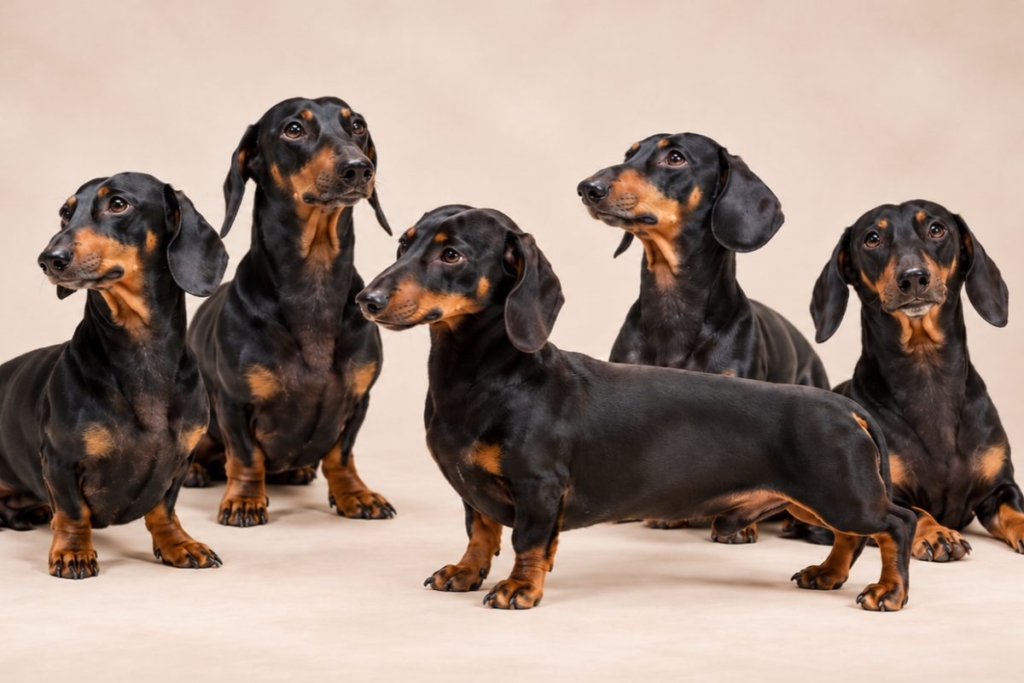
- Extremely short limbs.
- Certain ear shapes or cartilage abnormalities associated with specific genetic variants.
However, it’s important to make one point clear from the start: not all of these characteristics are supported by the same level of scientific evidence, nor do they affect all cats and dogs in the same way.
Why do some breeds develop extreme physical traits?
The enormous physical diversity that exists among the different breeds of cats and dogs is, in large part, the result of generations of artificial selection.
For centuries, certain characteristics were selected for their usefulness in performing various functions, but purely aesthetic traits have also been favored.
When a particular appearance becomes especially popular, there may be a tendency to select individuals that express that characteristic in an even more prominent way.
For example:
- A short snout can become progressively shorter.
- Skin folds can become increasingly pronounced.
- Eyes can become progressively more prominent.
- Limbs can become progressively smaller in proportion to the body.
The problem isn’t genetic selection itself, because that can also be used specifically to reduce certain hereditary diseases and promote more functional traits.
The problem arises when appearance ends up taking precedence over health and well-being.
In another article, we’ll take a closer look at how responsible selection, health screening, and genetic diversity can help reduce some of these risks.
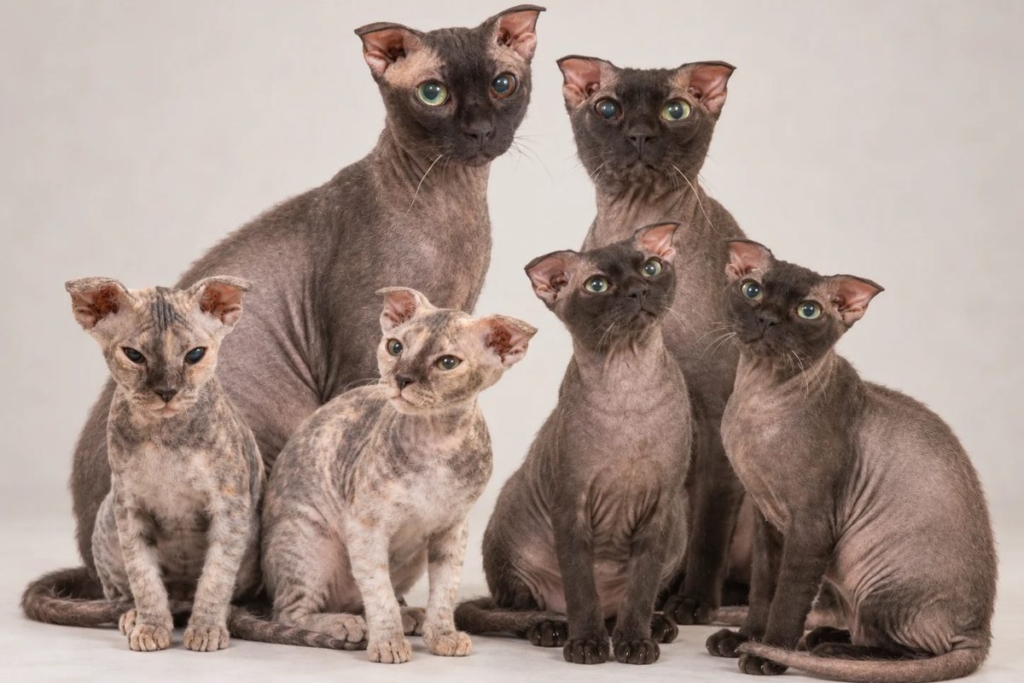
“It’s normal for their breed”: when a common trait might indicate a health problem
One of the issues that most concerns specialists is the normalization of certain clinical signs.
When something occurs very frequently in a breed, we may end up interpreting it as just part of its typical characteristics.
A dog that breathes noisily all the time, tires easily, or has a lower tolerance for heat may eventually be described as a dog that simply “breathes that way because it’s that breed.”
Something similar can happen with constant watery eyes, recurring irritation of skin folds, or certain limitations in movement.
But there is an important difference: Just because something is common within a breed does not mean it’s physiologically normal.
The Royal Veterinary College has specifically identified the normalization of health problems related to extreme conformation as one of the barriers to improving the well-being of some flat-faced dogs.
Recognizing these signs allows for veterinary assessment and earlier action when a problem arises.
How extreme traits affect the health of cats and dogs
Not all configurations need to be explained in depth in a single article, but there are some particularly well-studied examples.
Brachycephaly in dogs: when a short muzzle makes breathing difficult
Brachycephaly is one of the conditions with the most scientific evidence.
In certain dogs with a very shortened facial structure, brachycephalic obstructive airway syndrome (BOAS) may develop.
It may appear as:
- Noisy breathing.
- Increased difficulties breathing.
- Difficulty exercising.
- Reduced tolerance to heat.
- Sleep disturbances.
- Episodes of shortness of breath of varying severity.
Not all short-muzzled dogs have BOAS, nor are they all affected in the same way. However, the link between certain extreme anatomical characteristics and an increased risk of respiratory obstruction is well documented.
The World Small Animal Veterinary Association (WSAVA) itself provides specific resources on BOAS and the breeding of dogs with extreme conformation.
In a separate article, we’ll go into greater detail about what BOAS is, what its main signs are, how it’s diagnosed, and when treatment might be necessary.
Deep skin folds: why they contribute to dermatitis
Excessively deep skin folds can foster moisture, increase friction, and inflammation, and raise the risk of pressure dermatitis.
Large observational studies from the Royal Veterinary College’s VetCompass program have found a significantly higher risk in certain breeds characterized precisely by pronounced skin folds.
Therefore, a trait that may be considered distinctive from an aesthetic standpoint can also have medical consequences.
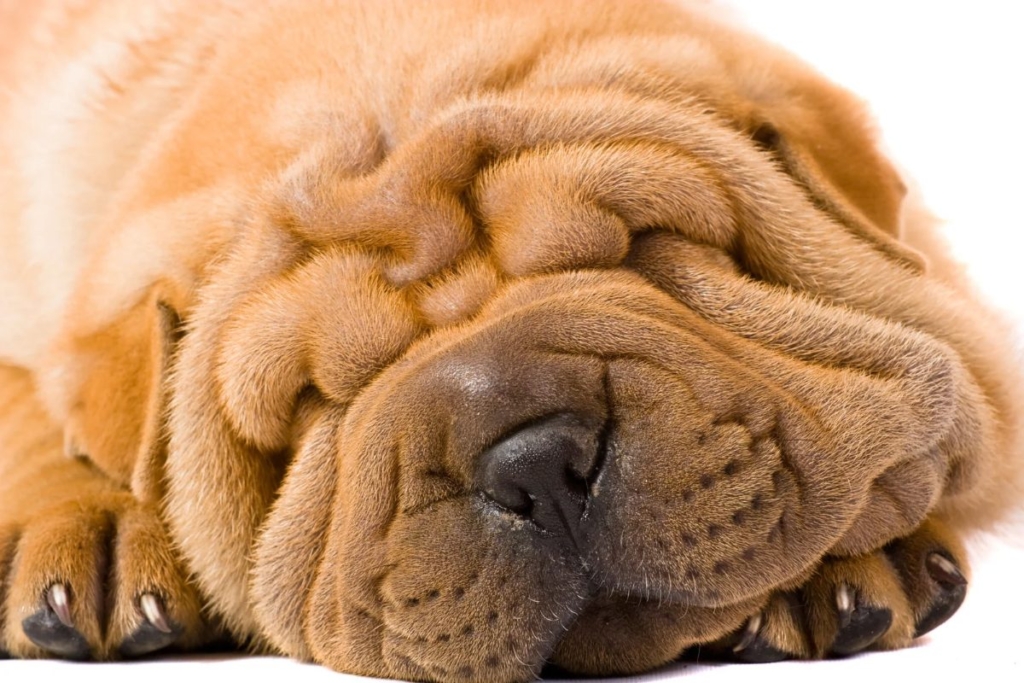
Extreme physical traits in cats: brachycephaly, folded ears, and health
Cats are not immune to this problem either.
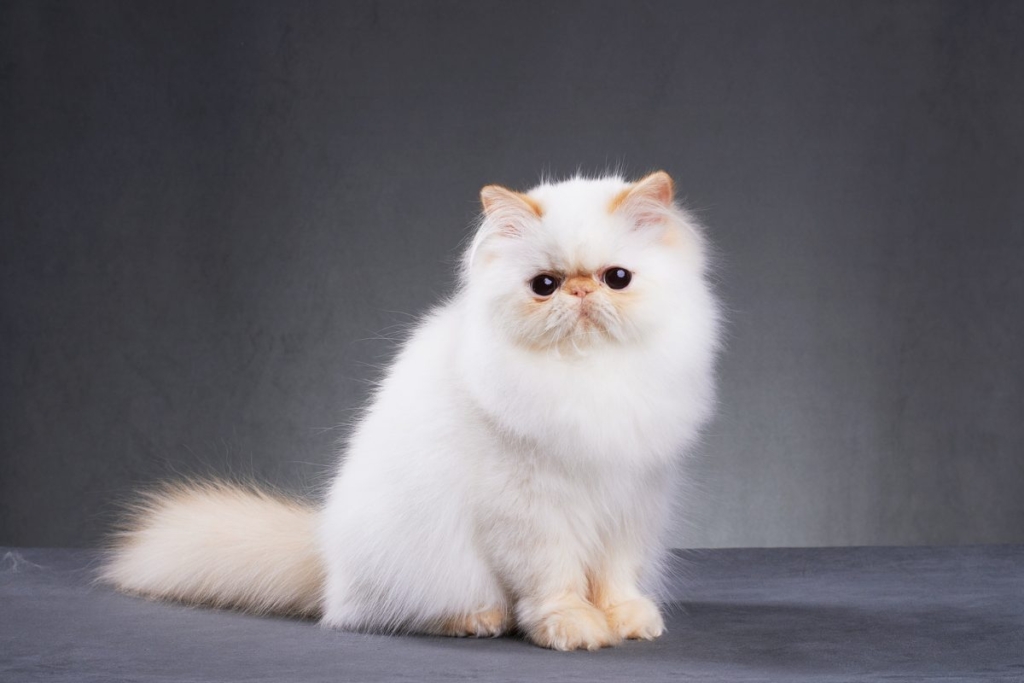
In Persians and Exotic Shorthairs with very pronounced flat faces, abnormalities related to the respiratory tract, eyes, and teeth have been reported.
We will devote a separate article to feline brachycephaly to explain how it can affect the breathing, eyes, and dental health of some cats.
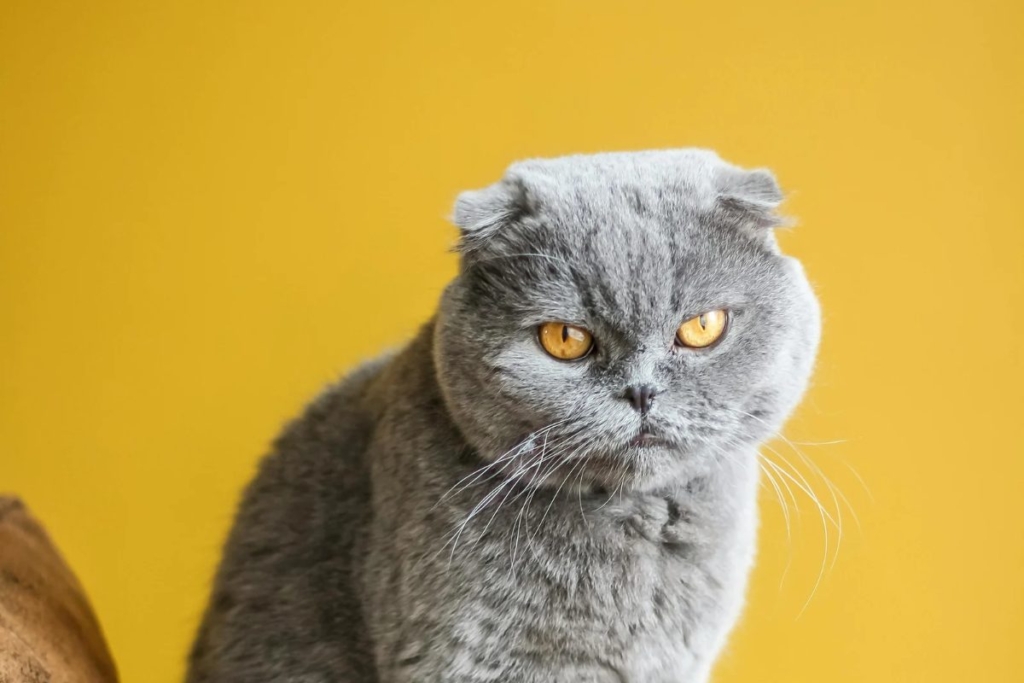
Another example is the Scottish Fold. The characteristic folded shape of its ears is associated with a variant of the TRPV4 gene, which is involved in cartilage development and linked to osteochondrodysplasia (the impairment of normal bone or cartilage growth) in this breed.
In these cases, it’s especially important to be precise. The relationship between the genetic variant and the folded-ear phenotype is well established, but the severity of clinical abnormalities can vary among individuals, especially in heterozygous (hybrid)cats.
We will also look separately at what we currently know about the Scottish Fold, the genetic variant responsible for its folded ears, and its relationship to osteochondrodysplasia.
Do all extreme traits pose the same health risks?
This point is fundamental to accurately tackling the debate.
We have particularly strong evidence on issues such as:
- BOAS associated with certain brachycephalic conformations.
- Some eye problems related to extreme facial conformations.
- Dermatitis associated with deep skin folds.
- Respiratory, ocular, and dental consequences of certain degrees with feline brachycephaly.
- The relationship between the Scottish Fold’s characteristic ears and a genetic variant that affects cartilage.
On the other hand, there are other traits that raise concerns from a welfare perspective, but we still need more research to determine exactly their impact and how common they are.
This is the case with some extreme forms of miniaturization or certain cat breeds with very short limbs, hairlessness, or modern combinations of various traits selected for their appearance.
Therefore, it wouldn’t be right to place all breeds and all physical characteristics into a single risk category.
Veterinary medicine has to distinguish between what has already been proven, what is supported by limited evidence, and what requires further research.
Extreme traits in cats and dogs: what’s changing under European regulations
Concerns about these practices have now extended beyond the veterinary field.
Regulation (EU) 2026/1818 on the welfare of cats and dogs and their traceability was adopted on June 17, 2026, and published in the Official Journal of the European Union on August 10, 2026.
The regulation establishes a new European framework for the breeding, welfare, and traceability of dogs and cats. Among its provisions is a requirement that breeding establishments must minimize the risk of producing dogs or cats with certain harmful genotypes and exclude from breeding the ones that exhibit excessive conformation traits posing a high risk to their welfare or that of their offspring.
However, it’s important to clarify the deadlines.
The regulation enters into force on August 30, 2026, but its implementation will be gradually phased in. The ban on using cats and dogs with excessive physical traits for breeding, as established in Article 8.2, will take effect on July 1, 2030. The obligations regarding certain harmful genotypes set forth in Article 8.1 will take effect on July 1, 2036.
In addition, a definitive European list determining which characteristics should be considered excessive does not yet exist. The European Commission will have to establish these criteria and their evaluation methods by June 30, 2030, at the latest.
The regulation also includes participation restrictions for cats and dogs with extreme conformation traits in certain shows, exhibitions, and beauty competitions, precisely to prevent the promotion of harmful physical standards.
In Spain, Law 7/2023 also sets limits on genetic screening practices that cause serious health problems or disorders.
So we’re looking at a regulatory process that will continue to develop over the next few years.
Are certain breeds of cats and dogs being banned for health and welfare reasons?
Not necessarily.
This issue is often oversimplified.
Some countries have adopted specific measures regarding certain breeds or characteristics, while others are opting to establish health and functional criteria to determine which animals can be used for breeding.
The goal is not necessarily to eliminate a breed.
Part of the current strategy aims to gradually promote:
- Improved respiratory and mobility functions.
- Less exaggerated anatomical features.
- A lower risk of hereditary diseases.
- Greater genetic diversity.
- A better quality of life.
A review of selection criteria, breeding programs, and genetic tools can play an important role in these efforts.
In another article, we’ll look at the measures adopted by countries such as the Netherlands and Norway and how the new European regulations might change the situation in Spain.
How social media and trends influence the popularity of extreme features
The choice of certain physical characteristics does not depend solely on breed standards.
Advertising, trends, celebrities, and social media can contribute to making certain phenotypes particularly recognizable and sought after.
This does not mean that we can directly attribute the rise of a specific breed to social media. There is, however, a growing concern about how repeated exposure to certain characteristics can contribute to normalizing them.
In another article, we’ll discuss how social media, advertising, and trends can influence our perception of certain breeds and body types.
How to choose a breed while prioritizing animal health and well-being
Good information can help us make more informed decisions.
If we’re thinking about adding a specific breed of cat or dog to our family, in addition to considering its temperament, needs, and compatibility with our lifestyle, it’s a good idea to know:
- The main hereditary problems associated with that breed or bloodline.
- Health tests performed on the parents.
- Family history.
- Available genetic tests, when relevant.
- Respiratory and musculoskeletal function.
- Measures taken by the breeder to reduce health problems.
- The degree of exaggeration of certain physical characteristics.
A responsible breeder should be able to clearly explain the steps they take to prioritize health, functionality, and well-being.
What to do if you already have a pet with extreme conformation traits
The purpose of discussing extreme conformation is not to blame owners or discourage people from owning certain breeds.
Many problems may initially go unnoticed or have been interpreted for years as just normal characteristics of the breed.
If you already live with a cat or dog prone to certain health issues, being aware of them allows you to watch for possible signs and take action when necessary.
A veterinary evaluation can help:
- Detect breathing difficulties.
- Identify skin or eye problems.
- Assess pain or mobility issues.
- Monitor factors such as weight, which can exacerbate certain diseases.
- Establish preventive measures.
- Tailor veterinary care to each patient.
Being aware of a predisposition doesn’t necessarily mean that a disease will develop. It means we can pay closer attention to the factors we know pose a higher risk.
Health and well-being over aesthetics
The diversity of cats and dogs has been part of our shared existence with them for generations.
Preserving this diversity should not mean accepting characteristics that hinder basic functions or unnecessarily increase the risk of disease.
Veterinary research, genetics, and now European legislation are all moving in the same direction: toward breeding standards that prioritize health, functionality, and well-being over exaggerated aesthetic traits.
That’s why, when we talk about conformation, perhaps the most important question isn’t whether a snout, legs, eyes, or ears are particularly attractive to us.
The question should be:
Can this animal breathe, move, see, rest, and express the behaviors typical of its species without pain or unnecessary limitations?
FAQ on extreme conformation traits
What is an extreme conformation trait in cats and dogs?
It’s an anatomical trait so exaggerated that it can increase the risk of disease or interfere with certain normal functions. Not all breed-specific traits are extreme, nor do all individuals face the same risk.
Do all brachycephalic dogs have respiratory problems?
No. There are different degrees of brachycephaly, and not all dogs develop BOAS. However, certain anatomical features, such as an extremely short muzzle or very narrow nostrils, can increase the risk of respiratory impairment.
Is it normal for a brachycephalic dog to snore?
This should not be automatically assumed to be the case. Snoring and noisy breathing may be related to an airway obstruction, especially if they occur while awake, during light exercise, or are accompanied by difficult breathing.
Do extreme physical traits also affect cats?
Yes. Among the most well-studied examples are certain degrees of brachycephaly in Persians and Exotic Shorthairs, and the genetic variant associated with the folded ears of the Scottish Fold. The problems and degree of risk differ in each case.
Will certain breeds be banned in Spain?
Currently, there is no general ban in Spain on the breeds mentioned in this article. Spanish law already restricts certain genetic selection practices that are harmful to animal health, and the new European regulation introduces restrictions on the breeding of cats and dogs with exaggerated conformation traits, although these provisions will be gradually phased in over the next few years.
What should you consider before choosing a particular breed of cat or dog?
In addition to the animal’s character and needs, it’s a good idea to learn about any associated hereditary diseases, request information about the health screenings the parents underwent, and assess whether they have overly exaggerated physical characteristics. Health, mobility, and well-being should be part of the decision from the very beginning.
At Balmesvet, health and well-being go hand in hand
At Balmesvet, we view health as encompassing both physical and emotional well-being. Prevention and early detection are especially important when we know that your pet may be more prone to certain health issues.
If you have concerns about your pet’s breathing, mobility, eyes, skin, or any other aspect of their overall well-being, an individualized veterinary check-up can help identify their needs and determine the best course of action.
Balmesvet Veterinary Hospital in Barcelona
| Detail | Information |
| Address | Calle Balmes 205, 08006 Barcelona |
| Phone | 931 173 173 |
| atencioclient@balmesvet.com | |
| Appointments | 8:30–20:00 |
| Hospitalization | Available 24h |
Can we help you? Call us or schedule an appointment. 24/7 emergency veterinary service in Barcelona.

 Barcelona, C/ Balmes nº 205
 931 173 173
 info@balmesvet.com