


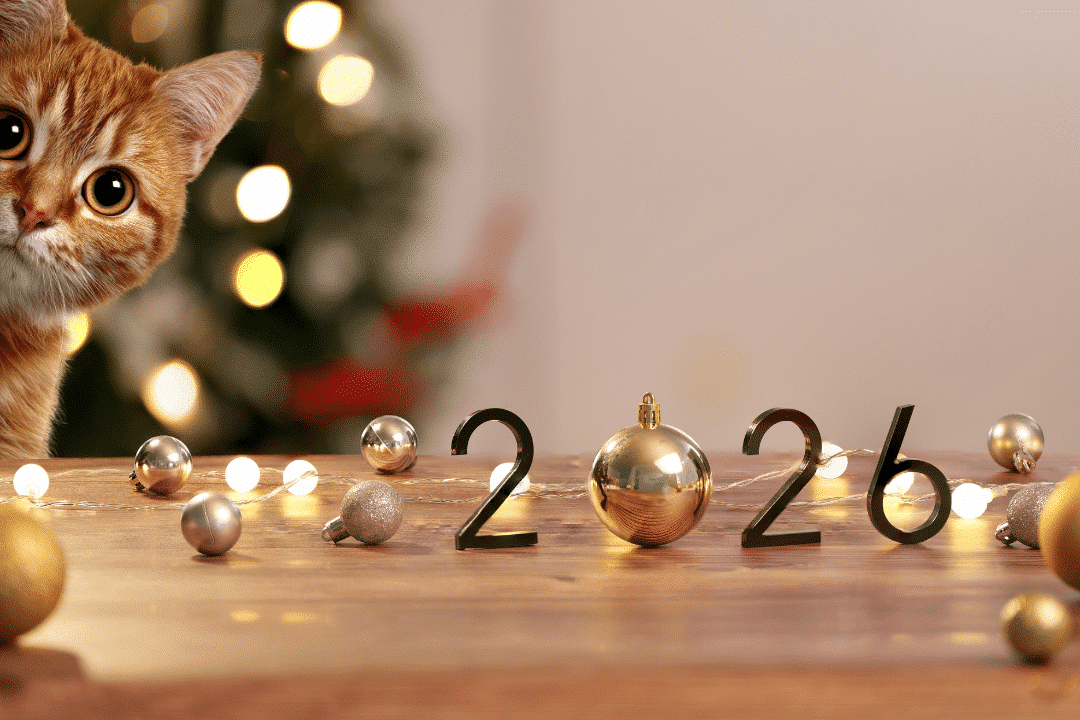
The last night of the year may be a fun-filled celebration for humans, but for many animals it’s a busy night that increases the risk of accidents and stress: loud noises, exploding fireworks, commotion from humans, open doors, changes in routine, and potentially dangerous food within reach. Every December 31st in Barcelona and beyond, veterinary emergency rooms receive numerous cases related to cats and dogs running away, falling from balconies, food poisonings, and episodes of acute anxiety caused by fireworks.
How to prepare for a safe New Year’s Eve with your cats and dogs
If you live with a cat or dog, you’re probably wondering how to reduce all these risks and create a safer, more relaxed setting during New Year’s Eve. The most frequent searches by pet owners confirm this: “How can I prevent my dog/cat from being frightened by fireworks?” “What Christmas foods are dangerous for my cats and dogs?” “How can I prepare a quiet space at home for my pet during Christmas/New Year’s Eve gatherings?” “When should I take my pet to the vet during the holidays?”
This blog provides clear and practical answers to all these questions, with guidelines tailored to the realities of the home and the urban context of our city. If you want your pet to have a more peaceful New Year’s Eve, you’re in the right place so keep reading.
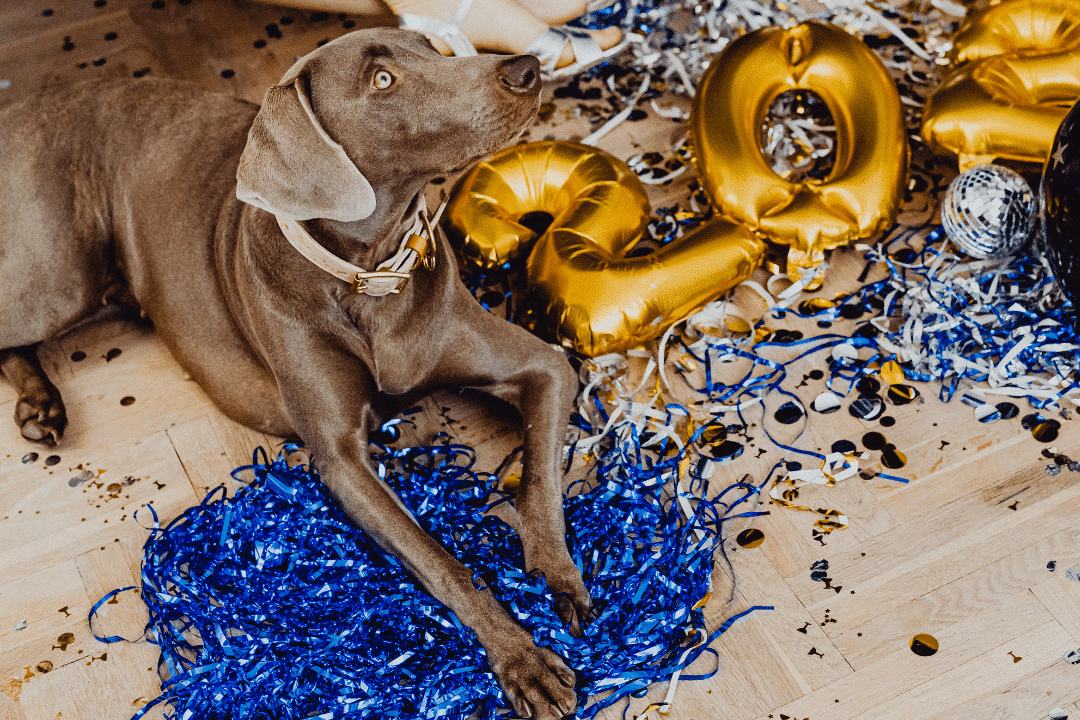
Before the celebration begins: key points for preventing incidents
Make sure their ID is up to date
Check that the information on the microchip is still up to date. If your dog goes out for walks during the day, attach a tag with your phone number to its collar. And in the case of cats, keep the carrier handy in case you need to transport them in a hurry.
Adjust your routine on the 31st
For dogs, take their main walks earlier in the day to avoid going out during the noisiest times. For cats, keep their schedules and surroundings consistent to avoid increasing their stress levels.
Talk to your veterinarian if your cat or dog is afraid of fireworks
For pets that are sensitive to noise, it’s helpful to plan ahead to use pheromones, supplements, or medication prescribed by your veterinarian. Most treatments take time to work, so it’s not a good idea to just wing it on the day itself.
Common risks on New Year’s Eve and how to prevent them
Open doors and risk of escape
Constant comings and goings increase the chances of your pet running away out of fear. Keep a close eye on the front door and limit their access to high-traffic areas. If you have numerous visitors, prepare a safe room where your pet can stay and not be bothered.
Balconies and windows: preventing falls
Being startled by sudden loud noises can increase the risk of falls, especially in cats. Close off balconies and windows or use safety nets. Do not trust their usual behavior; fear can change their reactions drastically.
Dangerous foods on the New Year’s Eve table
Keep grapes, chocolate, onions, leeks, sweets containing xylitol, alcohol, cooked bones, and fatty scraps out of their reach. Clear away trays and plates after dinner and tell visitors not to give your dog any food without your permission.
Miscellaneous and small objects
Toothpicks, corks, tinsel, ribbons, confetti, and small toys can cause digestive blockages or choking. Keep the floor clear and keep trash can lids on.
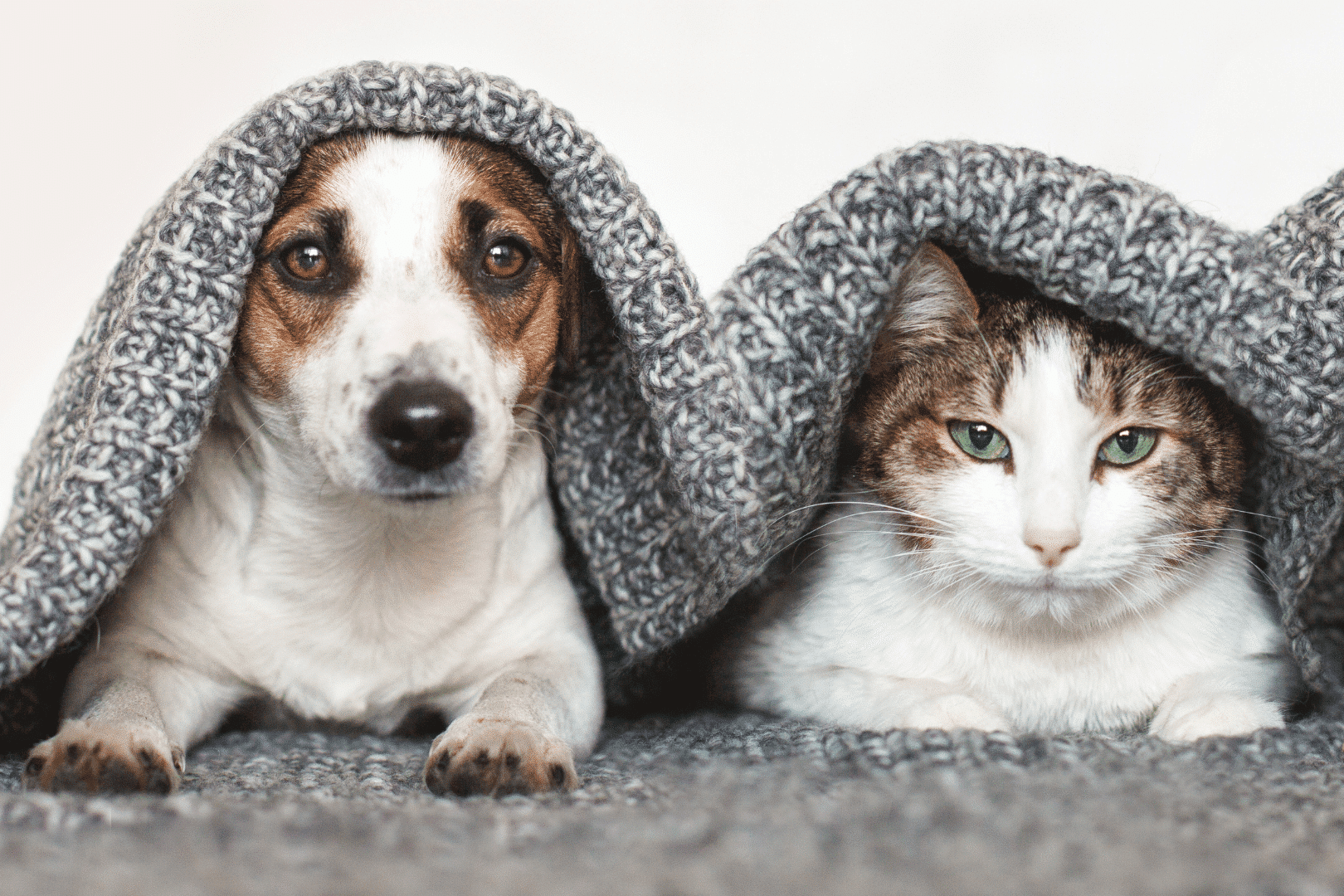
How to prepare a safe space for your dog
Set up a quiet room with a bed, blanket, water, chew or lick toys, pheromones, and, if necessary, administer medication as prescribed by your veterinarian. Ensure a quiet atmosphere and avoid constant visitors. Soft music or television can help muffle outside noise.
How to prepare a quiet refuge for your cat
Cats do best with hiding places and a stable environment. Prepare a room with a hideaway, a raised bed, an open carrier, a litter box, food, and water. Don’t force them to come out if they hide. Keep visitors from entering and stick to their feeding routine.
Manage visits, music and commotion at home
Let your guests know that your furry friend might be more sensitive than usual and that it’s important to respect their space. Avoid loud noises and sudden movements. If there are children around, explain to them how to behave so as not to cause unnecessary risks or even more stress.
Key guidelines for dealing fireworks
Close windows, curtains, and blinds to reduce noise and flashes. Keep your dog or cat indoors before the fireworks start. Avoid walking them around midnight. If you live in a particularly noisy area, consider spending the night in a quieter neighborhood if it doesn’t cause them any additional stress.

Quick checklist for December 31st
We’ve put together this comprehensive checklist so you can anticipate the most common risks on the night of December 31st to protect the physical and emotional well-being of your pet, even on one of the noisiest nights of the year.
Physical safety
- Doors and access points under control.
- Balconies and windows closed.
- Floor free of dangerous objects.
- Garbage out of reach.
Food and toxins
- Grapes, chocolate, bones, and alcohol out of reach.
- Family and guests instructed not to offer food.
ID and emergencies
- Microchip with up-to-date information.
- Tag with phone number.
- Emergency phone numbers saved.
- Carrier ready just in case.
Stress management and a quiet space
- Safe space for the dog with a bed and calming toys.
- Quiet room for the cat with hiding places and basic resources.
- Pheromones or prescribed medication ready if indicated.
Fireworks
- Keep pets indoors before the noise starts.
- Close windows and blinds.
- Play soft music to muffle the noise.
How to recognize a genuine emergency
Contact emergency veterinary services if you notice:
- Difficulty breathing.
- Persistent vomiting or vomiting blood.
- Swollen and painful abdomen.
- Suspected ingestion of toxins or foreign objects.
- Falls from heights, even if they “seem fine.”
- Seizures or severe disorientation.
- Known ingestion of chocolate, xylitol, medications, or any toxic food.
Don’t wait to see if they get better in these kinds of situations. A rapid response makes all the difference.
Balmesvet by your side on the last night of the year
We are a leading hospital in Barcelona, with separate canine and feline wards, Cat Friendly Gold accreditation, and staff trained in Fear Free handling to minimize fear, anxiety, and pain. Our emergency veterinary and ICU team is available 24 hours a day to help you if you need it.
If your cat or dog needs urgent veterinary care on New Year’s Eve, we are available 24 hours a day. We are located at Calle Balmes 205, 08006 Barcelona.
Balmesvet Veterinary Hospital
| Data | Information |
| Address | Carrer Balmes 205, 08006 Barcelona |
| Parking | Balmes 200 (30 min consultas; hasta 1 h urgencias) |
| Phone | 931 173 173 |
| atencioclient@balmesvet.com | |
| Consultations | 8:30–20:00 |
| Emergency/Hospitalization | 24/7 |
Can we help you? Call us or make an appointment. 24/7 emergency services available.

 Barcelona, C/ Balmes nº 205
 931 173 173
 info@balmesvet.com