


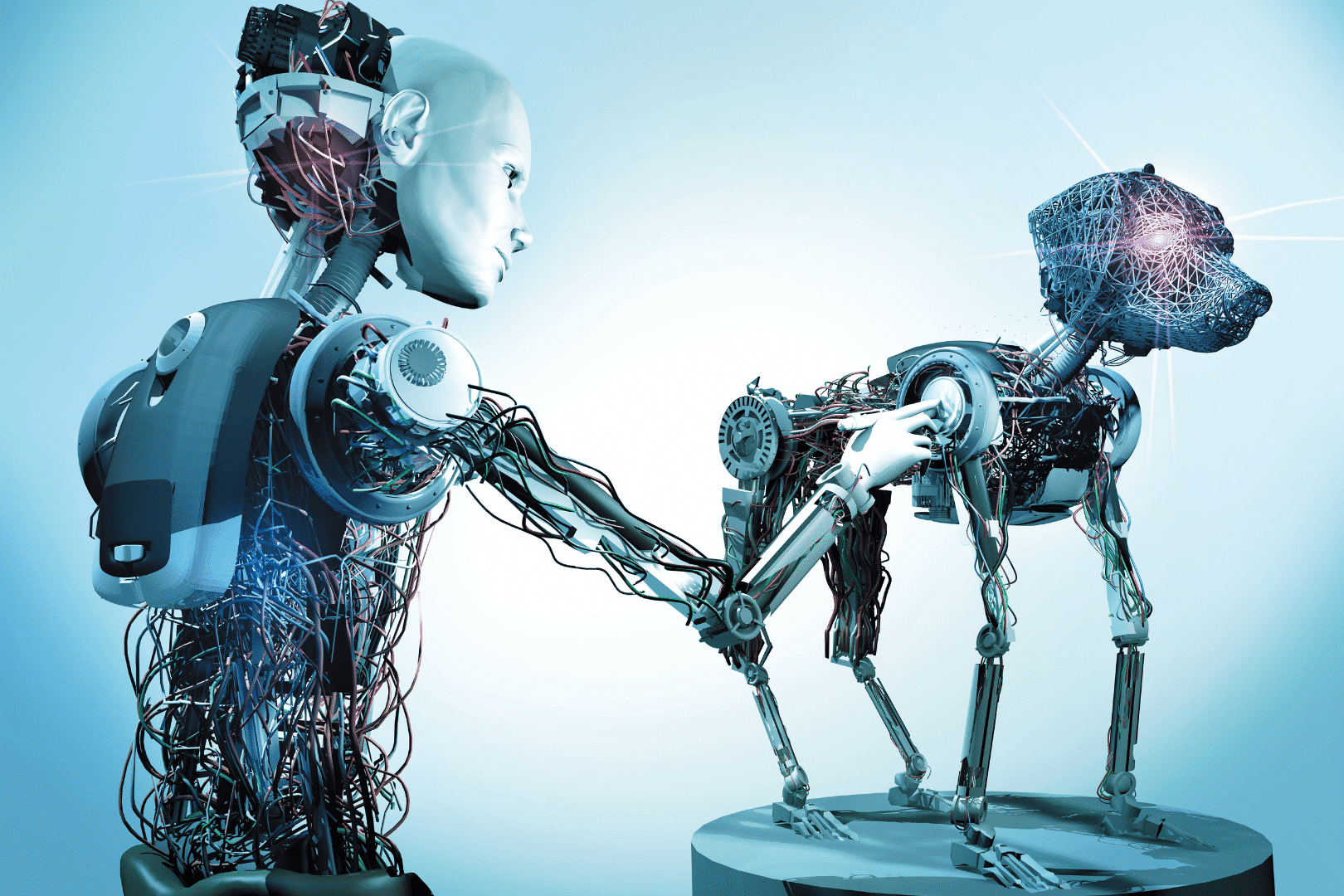
In recent years, we have heard a lot about artificial intelligence in a variety of fields, but healthcare is where it is rapidly gaining importance. It’s making rapid progress in human medicine, while in veterinary medicine its role is more discreet and focuses on very specific tasks, such as organizing information or streamlining certain processes. Even so, what universities and specialized centers are developing points in a clear direction: in the coming years, AI will be able to increasingly support veterinarians in interpreting tests, detecting clinical patterns that are difficult to identify with the naked eye, and managing complex data.
The future of AI in veterinary medicine: why 2026 will be a pivotal year
In recent years, we have seen AI begin to be integrated into areas such as diagnostic imaging, test interpretation, and data management. Although its implementation is still limited, recent advances indicate that 2026 will be a year when these tools begin to be more widely used in veterinary clinics.
In human medicine, systems already exist that are capable of analyzing X-rays, CT scans, MRIs, lab tests, and clinical notes to provide additional information to doctors. In veterinary medicine, development is more recent, but trends show clear growth in:
- Diagnostic imaging.
- Cytology and laboratory analysis.
- Predictive models.
- Emotional well-being and behavior.
- Automation of hospital processes.
AI can provide useful information, but interpretation and decisions continue to be guided by clinical expertise.
AI in veterinary diagnostics: more accurate X-rays, CT scans, and clinical analyses
Artificial intelligence is evolving rapidly in the field of diagnostic imaging. Current models can analyze thousands of X-rays, CT scans, or cytology samples and detect patterns that are not always easy to identify with the naked eye.
Several advances stand out:
- Identification of relevant areas in X-rays and CT scans.
- Automatic comparison of prior and current studies.
- Models that distinguish normal images from pathological ones in magnetic resonance imaging.
- Multimodal AI that combines images, reports, and laboratory parameters.
The goal is not to automate interpretation or replace the veterinary radiologist, but rather to provide additional information for faster and more accurate decision-making.
Predictive models in dogs and cats: anticipatory and preventive medicine
Predictive models enable:
- Estimate the likelihood of complications in chronic diseases.
- Detect early changes before complications arise.
- Indicate when to adjust treatments or increase check-ups.
Its value lies in preventive medicine: it allows each patient to be monitored according to their actual progress, not just their visible symptoms.
AI and animal welfare: detecting pain and stress with improved accuracy
The emotional well-being of patients is an area where AI is making particularly interesting advances for Fear Free and Cat Friendly environments.
There are already tools—both in research and in specialized centers—capable of:
- Detect pain, lameness, or changes in movement.
- Analyze facial expressions and postures associated with stress or anxiety.
- Monitor activity, sleep, and behavior patterns from home.
These technologies supplement direct observation and can help patients who become stressed during consultations or those with slow-progressing chronic conditions.

AI in veterinary hospitals: efficient management and a better experience for guardians
In university hospitals and large centers, AI is already being used to optimize organization and better manage busy periods. This opens up new possibilities for streamlining internal processes, improving the supervisor’s experience and diagnostic accuracy, and better supporting the follow-up of each patient.
Its potential applications include:
- Rapid prioritization of emergencies based on initial symptoms.
- Optimization of schedules and reduction of waiting times.
- Management of flows in hospitalization, ICU, or diagnosis.
- Clearer communication through reminders and organized information.
These systems allow clinical staff to devote more time to what is essential: calmly assessing patients, supporting their guardians, and providing sensitive and thorough care.
As these tools become more established, guardians will notice:
- Faster diagnostic processes.
- More personalized follow-up.
- Greater accuracy in complex cases.
- Less stress thanks to less invasive methods.
- Clearer and more organized communication.
Balmesvet’s vision: Responsible AI, emotional well-being, and quality veterinary medicine
Balmesvet is a leading veterinary hospital in Barcelona, with more than 60 professionals, advanced diagnostics, 24/7 ICU, separate canine and feline hospitalization, and a 24-hour laboratory.
Currently, AI only forms a part of our software for specific administrative tasks. Everything else is part of global trends that will only be integrated once they deliver real benefits.
Our philosophy is clear:
- The direct relationship between guardian and veterinarian is essential.
- The emotional well-being of the patient is central to any treatment.
- Rigorous medicine requires time, attentive listening, and empathy.
- Trust is built through consistency and clarity.
At Balmesvet, we will only incorporate new tools when they offer clear benefits in terms of safety, precision, and patient experience. For us, it is not about changing the essence of veterinary medicine, but rather adding useful tools when they become available, without ever losing the compassion and support that define the way we work.
If you need advice about your dog or cat’s health, or want to find out more about the work we do, our team is available every day of the year. We look forward to seeing you at Calle Balmes 205, 08006 Barcelona. We’re here to help.
Balmesvet Veterinary Hospital
| Data | Information |
| Address | Carrer Balmes 205, 08006 Barcelona |
| Parking | Balmes 200 (30 min consultas; hasta 1 h urgencias) |
| Phone | 931 173 173 |
| atencioclient@balmesvet.com | |
| Consultations | 8:30–20:00 |
| Emergency/Hospitalization | 24/7 |
Can we help you? Call us or make an appointment. 24/7 emergency services available.


 Barcelona, C/ Balmes nº 205
 931 173 173
 info@balmesvet.com