


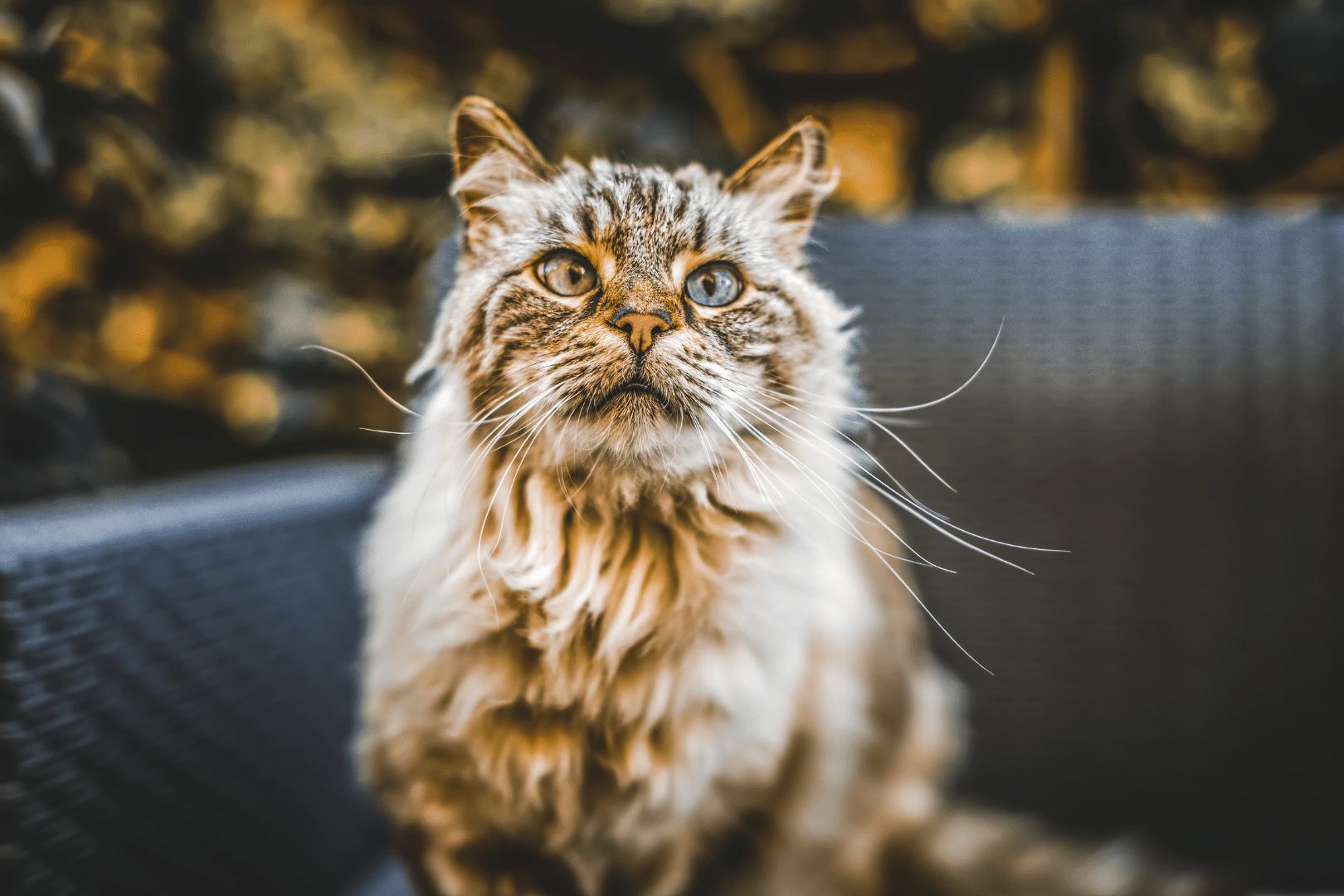
As a cat ages, its body changes, but weight loss and decreased appetite should not be considered “normal” due to age. In senior cats, weight loss is one of the earliest signs of chronic illness and can begin months or even years ahead of diagnosis.
At Balmesvet, a leading veterinary hospital in Barcelona specializing in feline medicine, we often see older cats that arrive after losing weight “for no apparent reason.” The key is not to attribute these changes solely to age and to consult a veterinary team experienced in working with senior cats in Barcelona as soon as possible.
If you would like to know more about how we work with cats, you can find out about our feline medicine service in Barcelona.
Why some older cats eat less even though they appear healthy
Some age-related changes can cause a loss of appetite without there being any serious underlying disease, however, they should always be treated with caution:
- Slower digestion: they get less energy and protein from the same amount of food and can lose muscle mass if the protein isn’t very good quality.
- Changes in senses: a weaker sense of smell and taste, and a greater preference for warm food and soft textures.
- Changes in metabolism and gut microbiota: in some senior cats, energy expenditure increases and the gut microbiota becomes unbalanced, causing mild discomfort and reduced appetite.
- Increased sensitivity to stress: noise, changes in routine, visitors, or living with other animals can cause cats to eat less.
If these factors are accompanied by visible weight loss, the recommendation is clear: it should always be looked into, even if it seems like “there’s nothing wrong.”
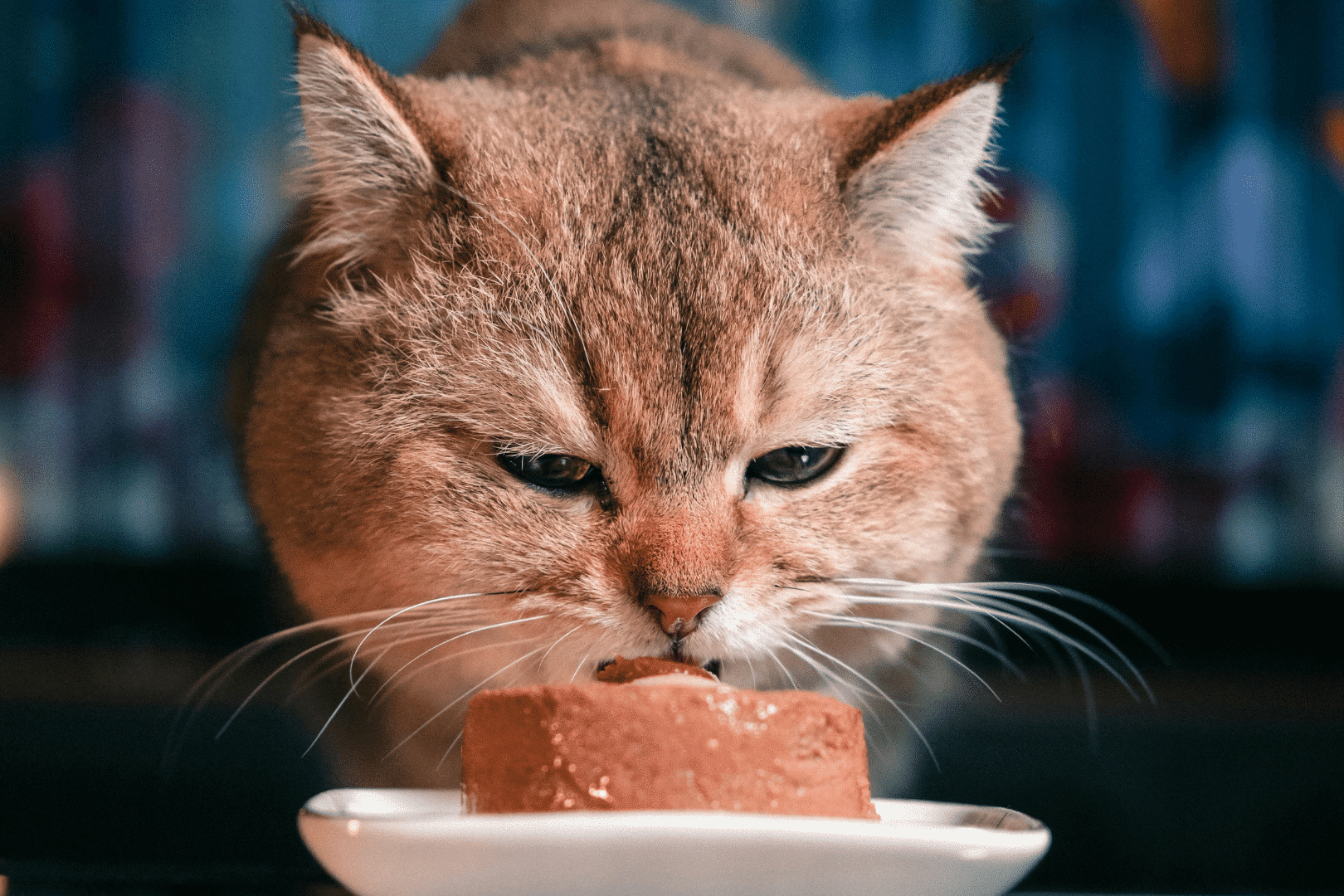
Is it normal for an older cat to lose weight?
As we mentioned earlier, certain age-related factors can influence your cat’s appetite, but these alone do not justify a significant weight loss. These variations may be part of the aging process, but your cat should not visibly lose weight or lose muscle mass. Weight loss in a senior cat should always be looked into, even if they seem to be “acting normal.”
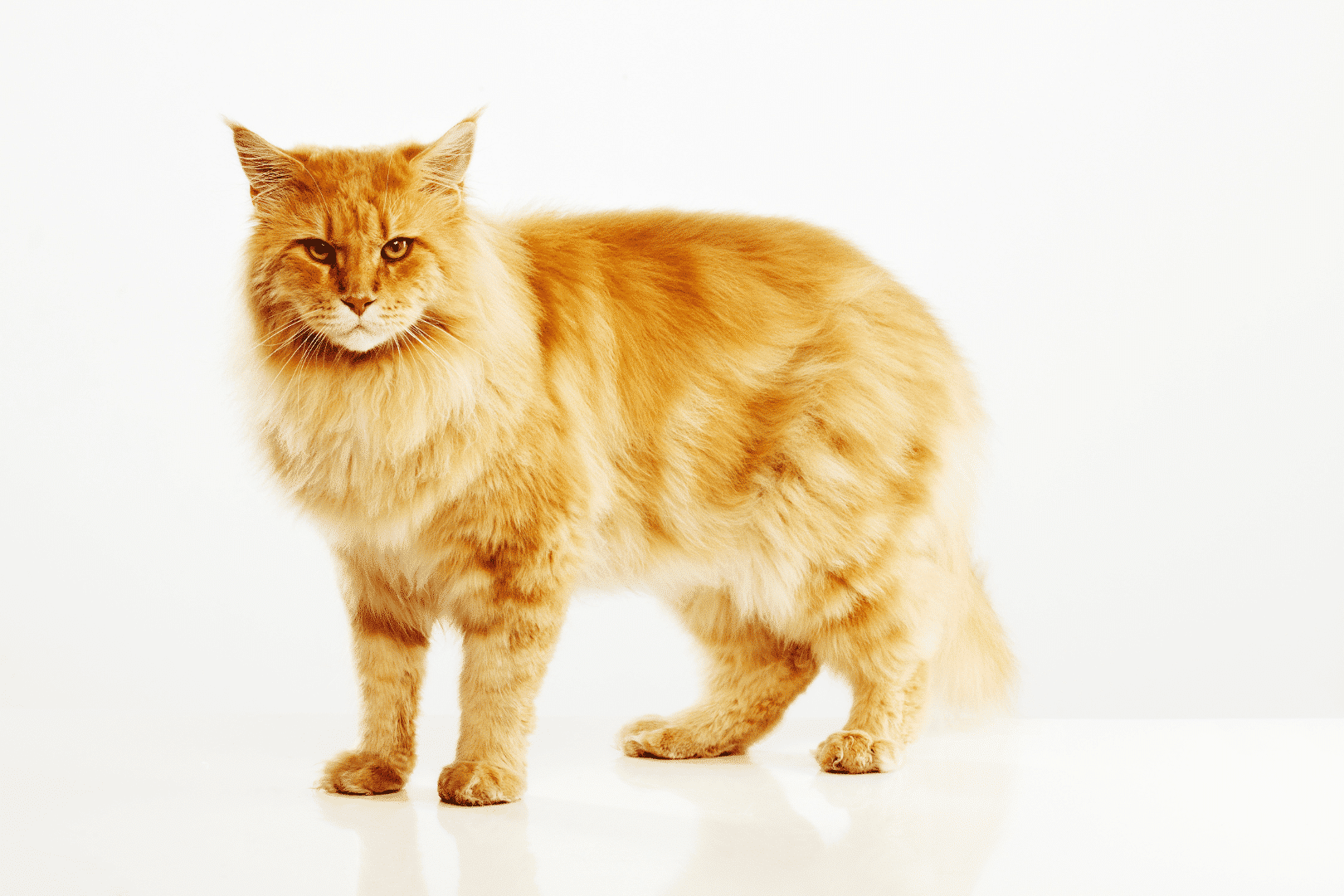
Common causes of weight loss in senior cats
The most common causes of weight loss in older cats are usually chronic diseases that progress silently:
- Chronic kidney disease: your pet drinks and urinates more, eats less, loses weight, has a dull coat, and sometimes has bad breath. Weight loss is due to decreased appetite, dehydration, and changes in protein metabolism.
- Hyperthyroidism: eats more but loses weight, is more active or nervous, and may have vomiting or loose stools. Burns much more energy than the food it eats.
- Chronic gastrointestinal disease (enteropathies, intestinal lymphoma, malabsorption, chronic pancreatitis): weight loss despite eating “well,” sporadic vomiting, loose stools, increased thirst, and turning away from food without eating it. Inflammation hinders digestion and absorption and can cause pain or nausea.
- Dental disease and oral pain: leaves food behind, chews strangely, salivates or shakes their head when eating, is more irritable. Pain inhibits appetite and makes chewing difficult.
- Chronic pain and osteoarthritis: avoids jumping, grooms itself less, and prefers staying on the ground. Eating can be uncomfortable, and reduced mobility leads to muscle loss.
- Diabetes mellitus: drinks and urinates more, loses weight even though it eats the same or more, is more sluggish, and has a dull coat. Its body does not use glucose properly and resorts to fat and muscle for energy.
- Cancer: unexplained weight loss, fatigue, and behavioral changes. The tumor consumes the body’s resources and reduces appetite.
- Cognitive impairment: stares at food, meows at night, becomes disoriented, and changes sleep routines. May forget routines or lose interest in food.
How to monitor your older cat at home if they are losing weight
Although this does not replace a veterinary checkup, at home you can:
- Gently press on the spine, hips, and shoulder blades: if they feel more prominent, this indicates weight loss or muscle mass loss.
- Observe how they eat: if they hesitate before starting, leave food uneaten, chew strangely, leave halfway through a meal, or eat very irregular amounts.
- Monitor their weight regularly: weigh them every 2–4 weeks and watch for trends; a 5% loss in a month is already a reason to consult a vet.
- Check how much they actually eat: compare what you offer with what is left; detect if there is selectivity or food leftovers that were not there before.
- The most worrying patterns are: weight loss plus changes in intake, muscle loss plus reduced activity, hesitation when eating with repeated visits to the food bowl, or weight loss without obvious changes in appetite.
What you can do at home to help your older cat eat better
Some older cats eat less not only because of illness, but also because their senses change, their digestion is different, or they have more difficulty reaching their food. Although a veterinary evaluation is essential when there is weight loss, at home you can take small steps to help improve their interest in food and make it easier for them to maintain adequate nutrition.
These recommendations are based on geriatric feline nutrition strategies and can make a significant difference in their daily lives.
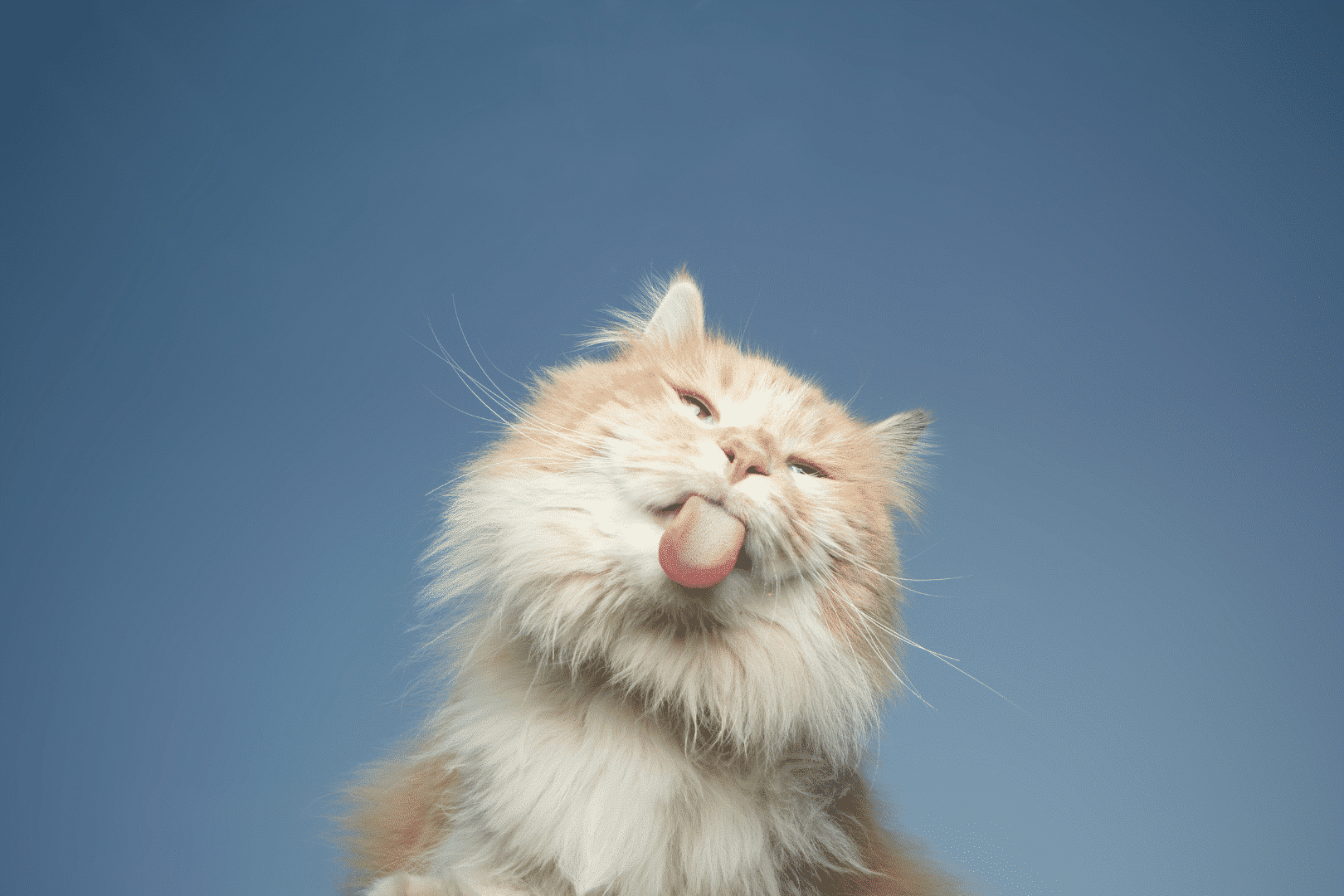
Adjust the texture, temperature, and plating of food
Senior cats rely more on smell to initiate eating. Sensory changes make certain textures or temperatures more appealing.
What can help:
- Lightly heat wet food to bring out the aroma.
- Try softer textures if your pet has dental problems.
- Offer small portions several times a day.
- Add a little warm water to improve the smell and palatability.
- Avoid serving cold food straight from the refrigerator.
Facilitates access to food
If they have joint pain or reduced mobility, they may avoid certain positions or heights when eating, which reduces their food intake without the caregiver noticing.
Simple measures:
- Use low or slightly raised feeders, depending on what is most comfortable.
- Place food in easily accessible areas and avoid high places.
- Separate food from water and litter trays.
- Avoid stairs or obstacles between the cat and its feeding area.
Create a peaceful environment for stress-free eating
Sensitivity to stress increases with age. An environment that is too noisy or unpredictable can curb appetite.
You can try:
- Offering food in a quiet space without interruptions.
- Avoiding loud noises or sudden movements during mealtimes.
- Creating stable routines so that your pet knows when to expect food.
- Placing food bowls away from areas where people or other animals pass by.
Avoid sudden changes in diet
Some older cats are very sensitive to new textures or smells. Sudden changes in food can reduce appetite or cause digestive discomfort.
Recommendations:
- Any changes in diet or food should be done gradually.
- Keep feeding routines as stable as possible.
- Avoid constantly switching between different types of food.
Pay attention to their eating habits and preferences
Senior cats may become more selective without it being a sign of illness, but their preferences should be respected to maintain adequate nutrition.
What to look for:
- Whether they prefer wet or dry food.
- Whether they respond better to warm food.
- Whether they eat better with company or alone.
- Whether they need some encouragement to start eating.
When these measures aren’t enough
If you follow these recommendations and your cat still loses weight, eats less, or shows changes in behavior, it’s important to have them evaluated by a veterinarian. In older cats, sustained lack of appetite can exacerbate frailty and increase the risk of dehydration or metabolic imbalance.
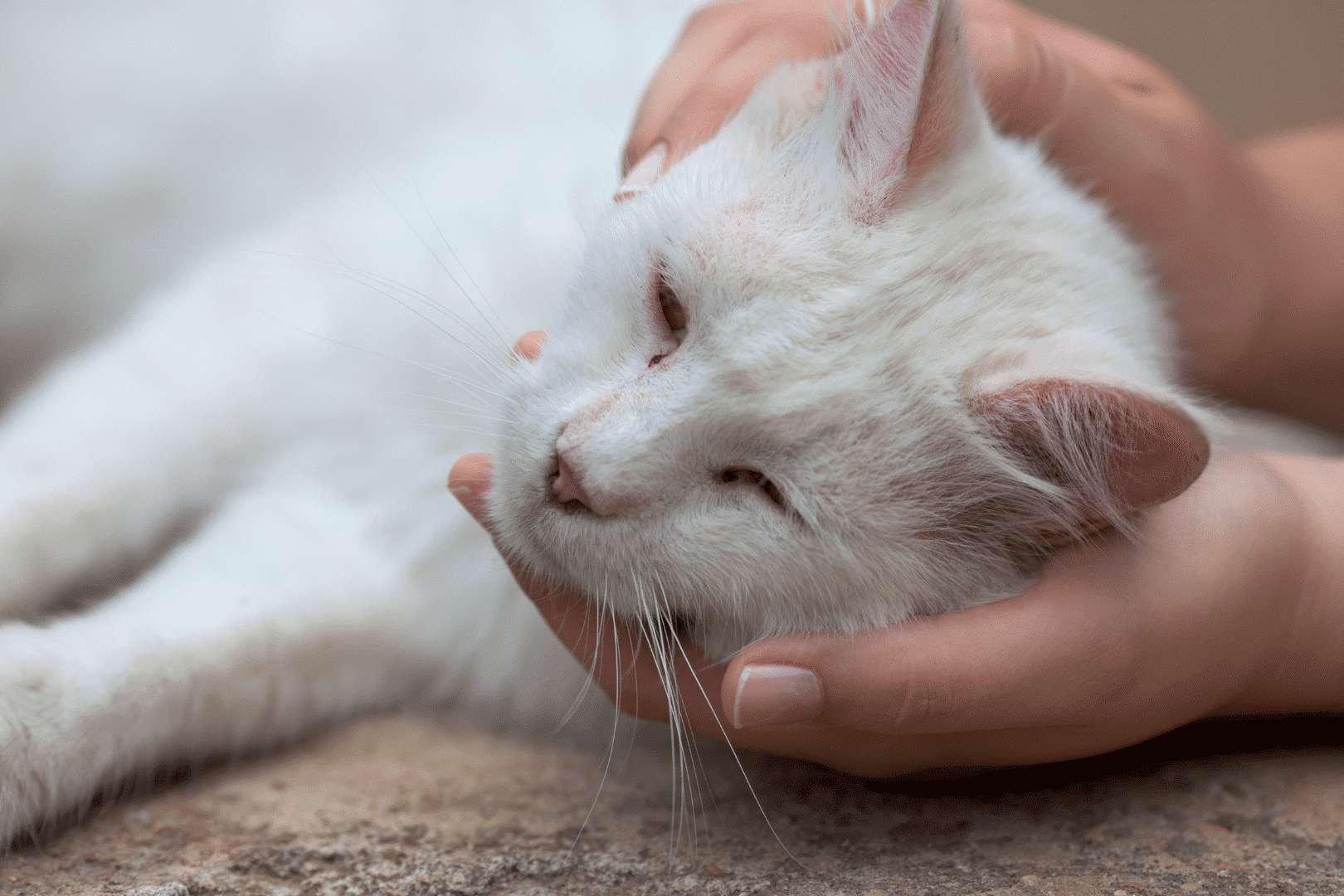
Changes that should be cause for concern if your older cat loses weight or eats less
Symptoms that indicate your senior cat needs a veterinary checkup
- Noticeable or rapid weight loss.
- Loss of muscle mass in the spine, hips, and shoulder blades.
- Leaving food uneaten, eating more slowly, or changing the way they chew.
- Increased thirst and urination.
- Repeated vomiting or diarrhea.
- Lethargy, irritability, or reduced social interaction.
- Nocturnal meowing/howling or disorientation.
Catching these changes early lets you:
- Detect diseases early.
- Start treatment before complications arise.
- Prevent frailty syndrome.
- Maintain muscle mass and quality of life for longer.
In feline geriatrics, swift action is key: small changes in weight or behavior can indicate major problems ahead.
Can weight loss in a senior cat be reversed?
In many cases, it can. If the cause is identified early and action is taken:
- Early diagnosis.
- Nutritional adjustment.
- Pain management.
- Stress management.
It is possible to regain some muscle mass, improve appetite, and stabilize their well-being. In chronic diseases, the realistic goal is to improve quality of life and slow progression.
In advanced stages, the focus shifts to the cat’s comfort and emotional welfare, but even then, good management can improve their appetite and daily life.
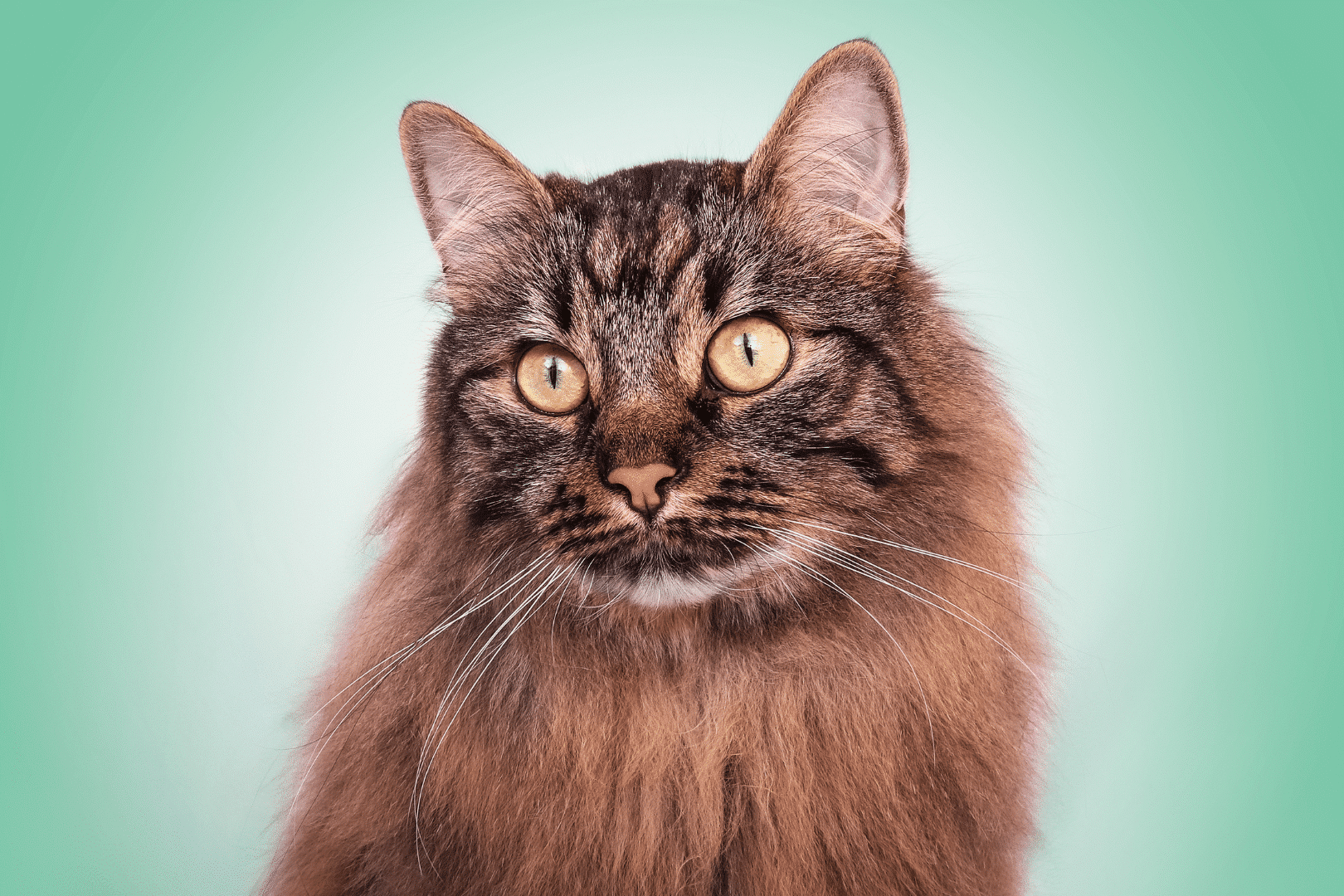
The role of the caregiver is key: observe changes, monitor weight and physical condition, adapt the environment, and communicate any changes to the veterinary team. The teamwork between caregiver and veterinarian makes a difference in the longevity and quality of life of senior cats.
Learn more about senior cats
If you want to learn more about feline aging and caring for senior cats, you can also read:
- Caring for senior and elderly cats, part 1:
- https://balmesvet.com/blog-cuidados-de-gatos-senior-y-mayores-1a-parte/
- Caring for senior and elderlycats, part 2:
- https://balmesvet.com/blog-cuidados-de-gatos-senior-y-mayores-2a-parte/
How Balmesvet can help your older cat
Caring for a senior cat requires time, sensitivity, and a clinical approach tailored to this stage of life. At Balmesvet, we work from an evidence-based feline medicine perspective, but also from an emotional well-being perspective: every older cat needs an accurate assessment, a peaceful environment, and a team accustomed to detecting even subtle changes.
An environment designed to reduce stress for older cats
We are an accredited Gold Cat Friendly Clinic (ISFM) and Fear Free Certified center, which means that every step—from the waiting room to hospitalization—is designed to minimize stress and promote a safer and more reliable examination.
This includes:
- Independent feline hospital, with no dogs present.
- Consultations exclusively for cats, with pheromones, non-slip surfaces, and gentle handling.
- Stress reduction protocols throughout the diagnostic and therapeutic process.
- Quiet feline hospitalization with environmental control, designed for senior patients who need rest, hydration, or monitoring.
This environment is especially important in older cats, as stress can mask symptoms, reduce appetite, or alter diagnostic results.
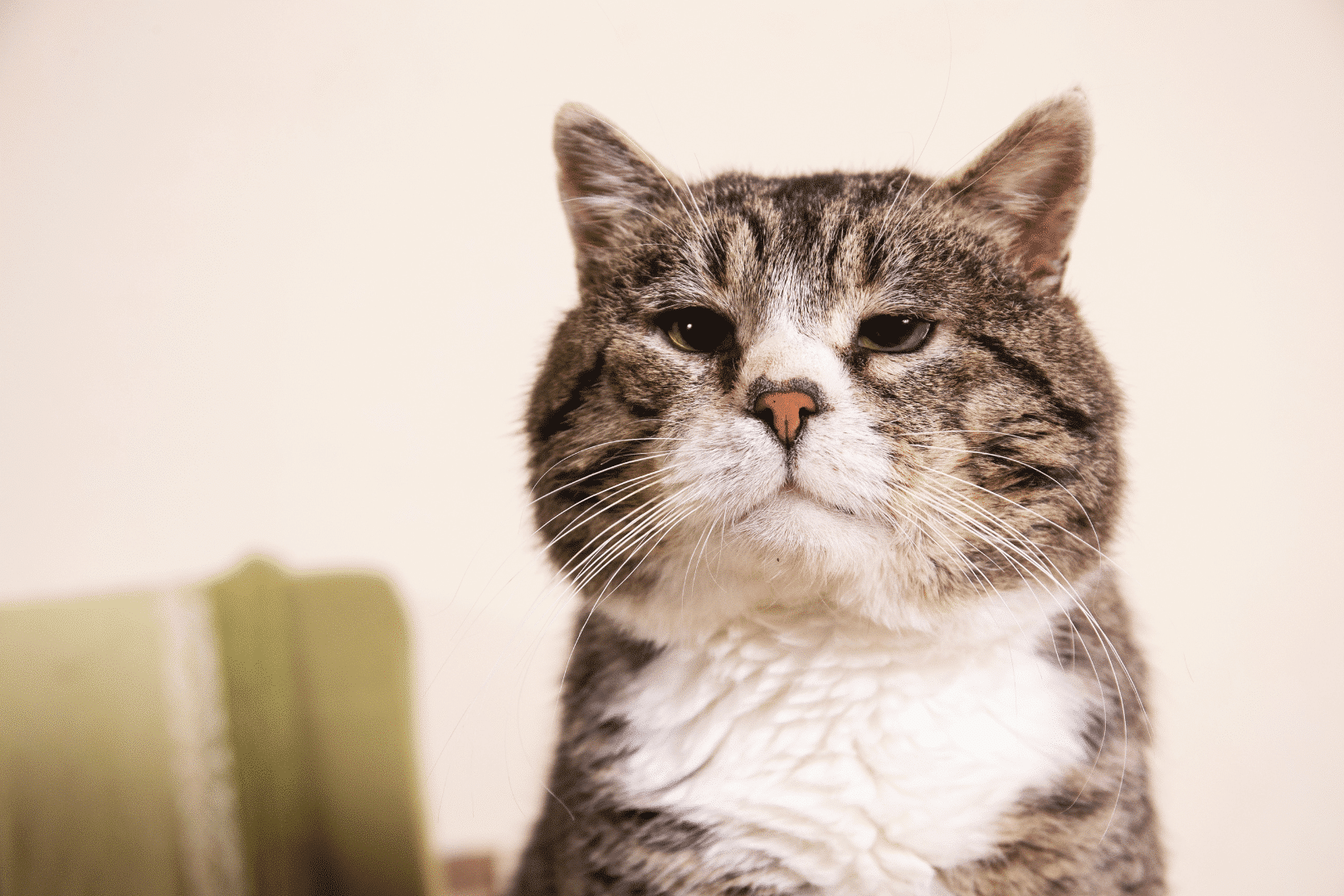
Full geriatric assessment with specialists
Our team includes professionals from various fields to accurately assess each case:
- Feline medicine.
- Internal medicine.
- Maxillofacial Dentistry & Surgery.
- Neurology.
- Traumatology.
- Cardiology.
- Ethology.
- Diagnostic imaging.
- Anaesthesia and pain managemen.
This team approach allows for a comprehensive interpretation of the changes that occur in a senior cat, which is essential when several diseases are present at the same time.
Cutting-edge tests to catch diseases early on
In older cats that lose weight or eat less, we perform a thorough evaluation that may include:
- Complete blood count with T4 and SDMA.
- Kidney profile, electrolytes, and urine analysis.
- Advanced abdominal ultrasound.
- Intraoral dental X-rays with specialized equipment.
- Blood pressure measurement.
- Structured assessment of muscle mass and body condition.
- CT scan if necessary.
Having diagnostic imaging, a 24-hour laboratory, and an ICU in the hospital itself allows us to act quickly and adapt treatment from the outset.
Individualized plans for older cats
Beyond just the diagnosis, we help each guardian adapt to their cat’s day-to-day life:
- Nutritional adjustments according to age, diagnosis, and appetite.
- Pharmacological pain management, especially for osteoarthritis or oral diseases.
- Stress management and environmental recommendations.
- Scheduling regular check-ups according to the cat’s condition.
- Educating the owner on how to monitor weight, behavior, and appetite at home.
The goal is to maintain the quality of life of senior cats for as long as possible, preventing frailty and delaying the progression of chronic diseases.
A feline hospital ready to accompany you every step of the way
Our commitment is to support older cats with diligence, empathy, and a comprehensive clinical approach, helping each guardian understand what is happening and what options are available to improve the life of their feline companion.
If your senior cat is losing weight or eating less and you live in Barcelona, at Balmesvet we can help you figure out what is going on and support you as you make decisions. We look forward to seeing you at Calle Balmes 205, 08006 Barcelona.
Balmesvet Veterinary Hospital
| Data | Information |
| Address | Carrer Balmes 205, 08006 Barcelona |
| Parking | Balmes 200 (30 min consultas; hasta 1 h urgencias) |
| Phone | 931 173 173 |
| atencioclient@balmesvet.com | |
| Consultations | 8:30–20:00 |
| Emergency/Hospitalization | 24/7 |
Can we help you? Call us or make an appointment. 24/7 emergency services available.


 Barcelona, C/ Balmes nº 205
 931 173 173
 info@balmesvet.com