


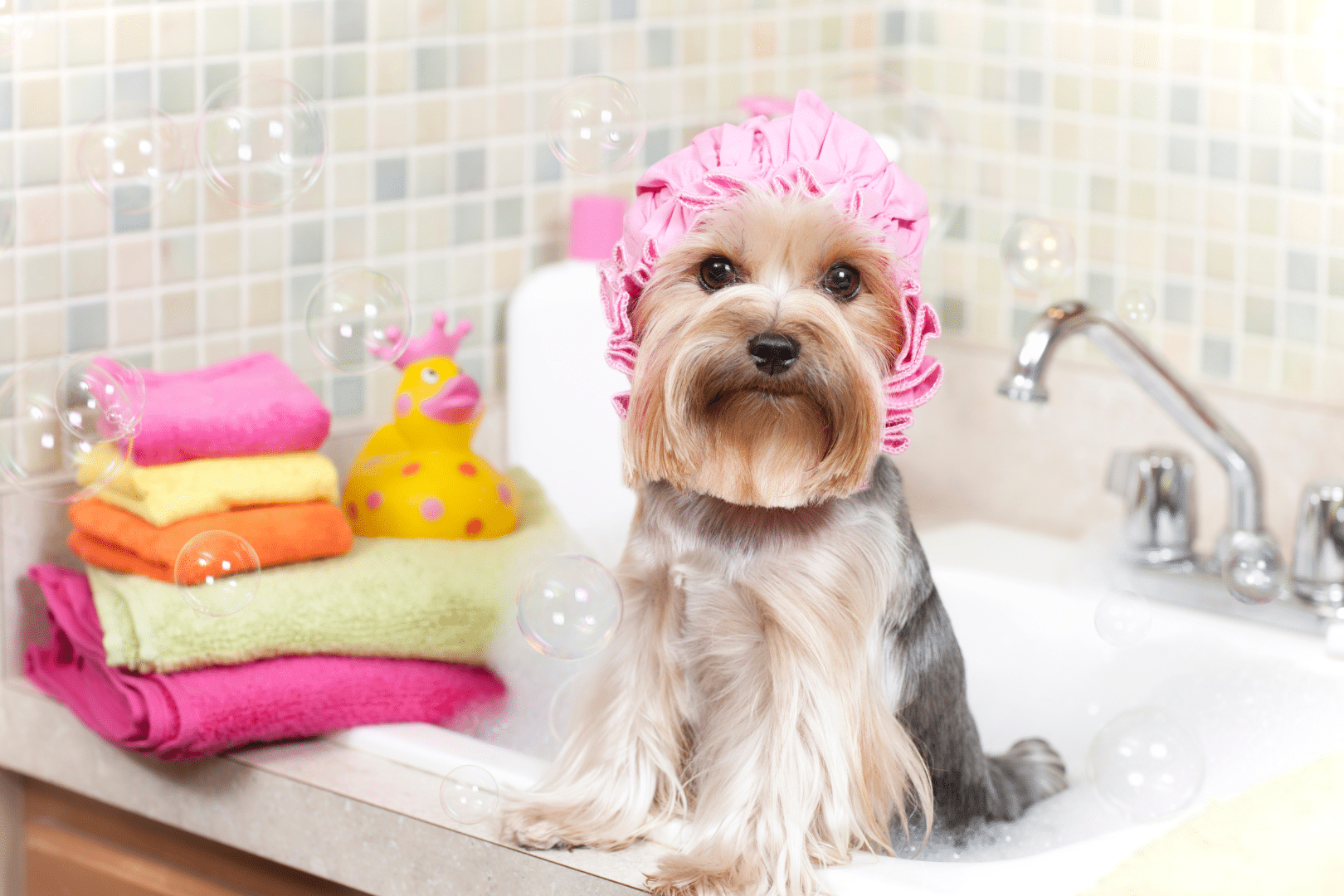
The Yorkshire Terrier is a breed that stands out for its beauty, personality, and energy, but also for requiring a very specific hygiene routine. Its long, silky coat, delicate skin, sensitive eyes, and predisposition to dental problems make daily care essential to maintaining their well-being.
In this third part of the complete guide to Yorkshire terriers, you will find a clear and practical explanation of everything you need to know: how to care for their coat and skin, how often to bathe them, how to keep their teeth healthy, what to check for in their eyes and ears, and what hygiene routines you must not overlook.
Our goal is to help you stay ahead of the most common problems associated with this breed so that your Yorkshire terrier can enjoy a comfortable, healthy life free from ailments. This guide contains professional recommendations based on our daily experience at Balmesvet and the real needs of the Yorkies we treat in Barcelona.
If you haven’t read the previous articles, you can check them out here for more info:
- Part 1: Yorkshire Terrier: character, origin, and tips for living with this popular breed in Barcelona
- Part 2: Health, prevention, and care by age group for Yorkshire Terriers.
Yorkshire Terrier coat and skin: your daily care routine
The Yorkshire terrier’s coat is one of its hallmarks: long, silky, and constantly growing, much like human hair. This characteristic makes it particularly attractive, but also vulnerable to tangles and skin problems if not properly cared for. A consistent grooming and maintenance routine not only keeps its appearance impeccable, but also protects its skin, prevents infections, and allows for early detection of any problems. Below, we explain how to properly care for your dog’s coat and skin on a daily basis.
- Daily brushing: Yorkshire terriers have fine hair that tends to tangle easily. Daily brushing prevents knots (skin mats) from forming, improves skin aeration and allows for early detection of skin problems such as dermatitis or external parasites.
- Regular bathing: recommended every 2–4 weeks with shampoos specifically designed for long hair and sensitive skin. Bathing too frequently can remove natural oils and cause dry skin, while bathing too infrequently can lead to the build-up of grease and dirt.
- Conditioners and detangling sprays: these can be useful for maintaining softness and preventing hair breakage.
- Haircut:
- Show cut: the coat is kept long, parted along the spine, and requires very intensive care.
- Maintenance cut or “puppy cut”: shorter and more practical, ideal for companion dogs, as it makes brushing easier and reduces tangles.
- Skin checks: Yorkies are prone to allergic dermatitis. Routine grooming helps identify early signs of itching or irritation.
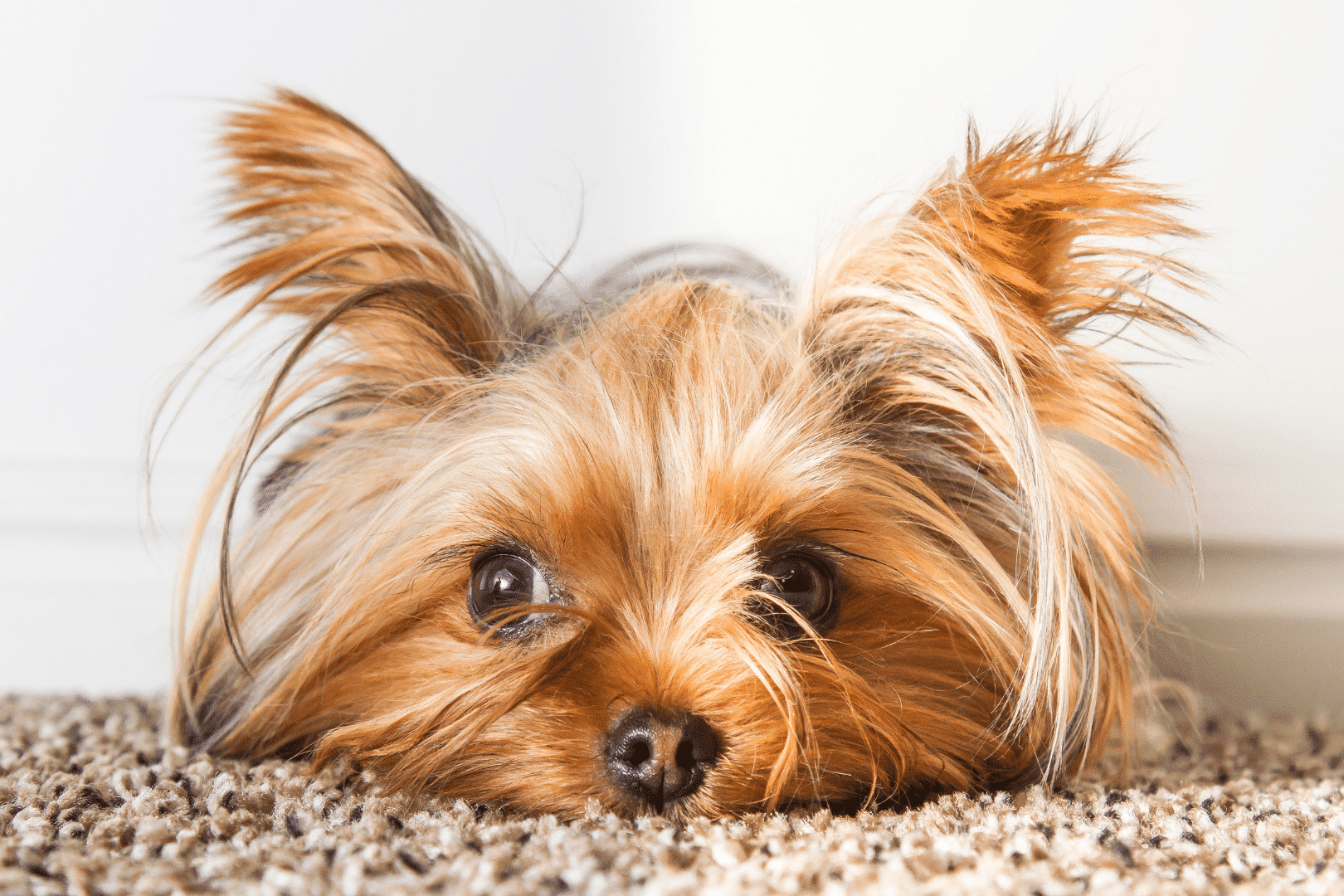
Yorkshire Terrier Dental Hygiene: Preventing Periodontal Disease
Oral health is one of the most sensitive issues for Yorkshire terriers. Their size, the shape of their mouth, and their genetic predisposition make periodontal disease extremely common if not treated in time. Maintaining a brushing routine, attending regular check-ups, and using appropriate dental products is essential to prevent pain, infections, and tooth loss. Below, we explain how to care for your dog’s mouth on a daily basis and what measures really make a difference.
- High predisposition to periodontal disease: more than 90% of Yorkies develop dental problems if not prevented.
- Daily brushing with toothpaste specifically designed for dogs: this is the most effective way to control plaque and tartar.
- Regular veterinary check-ups: professional cleanings, under general anesthesia, are usually necessary several times throughout a Yorkie’s life.
- Dental products, snacks, and diets: they can support brushing, but they never replace it.
If you want to know what periodontal disease in dogs is and how to prevent it effectively, you can read our blog post on “Periodontal disease in dogs”.
Yorkshire Terrier Eye Care: Cleaning and Preventing Problems
Yorkshire terriers’ eyes require daily care. Their long, fine hair can rub against the surface of the eye and cause irritation, infection, or constant tearing if not controlled. Keeping the area clear, properly cleaning secretions, and monitoring any changes in the appearance of the eyes is key to avoiding problems that are more common in this breed than it may seem. Below, we explain how to care for their eye hygiene safely and effectively.
- Long hair on the face tends to irritate the eyes and promote conjunctivitis or keratitis.
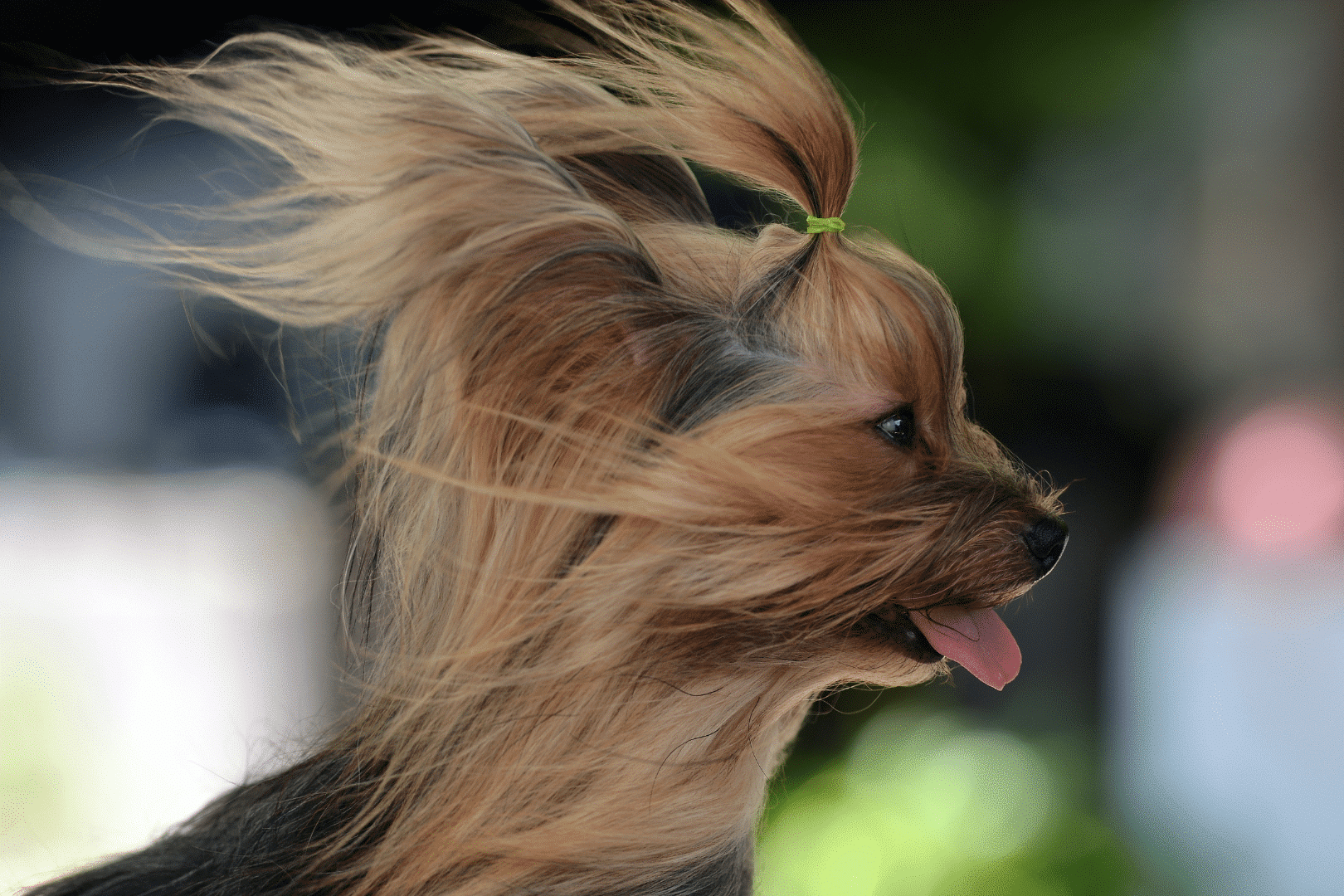
- Pinning the bangs up in a top knot or keeping it trimmed prevents the hair from coming into contact with the eyes.
- Clean eye discharge daily with sterile gauze and saline solution or eye cleaners specifically designed for dogs.
- It is advisable to check for excessive tearing or tear stains (epiphora), as this may be related to chronic irritation or eye problems such as keratoconjunctivitis sicca.
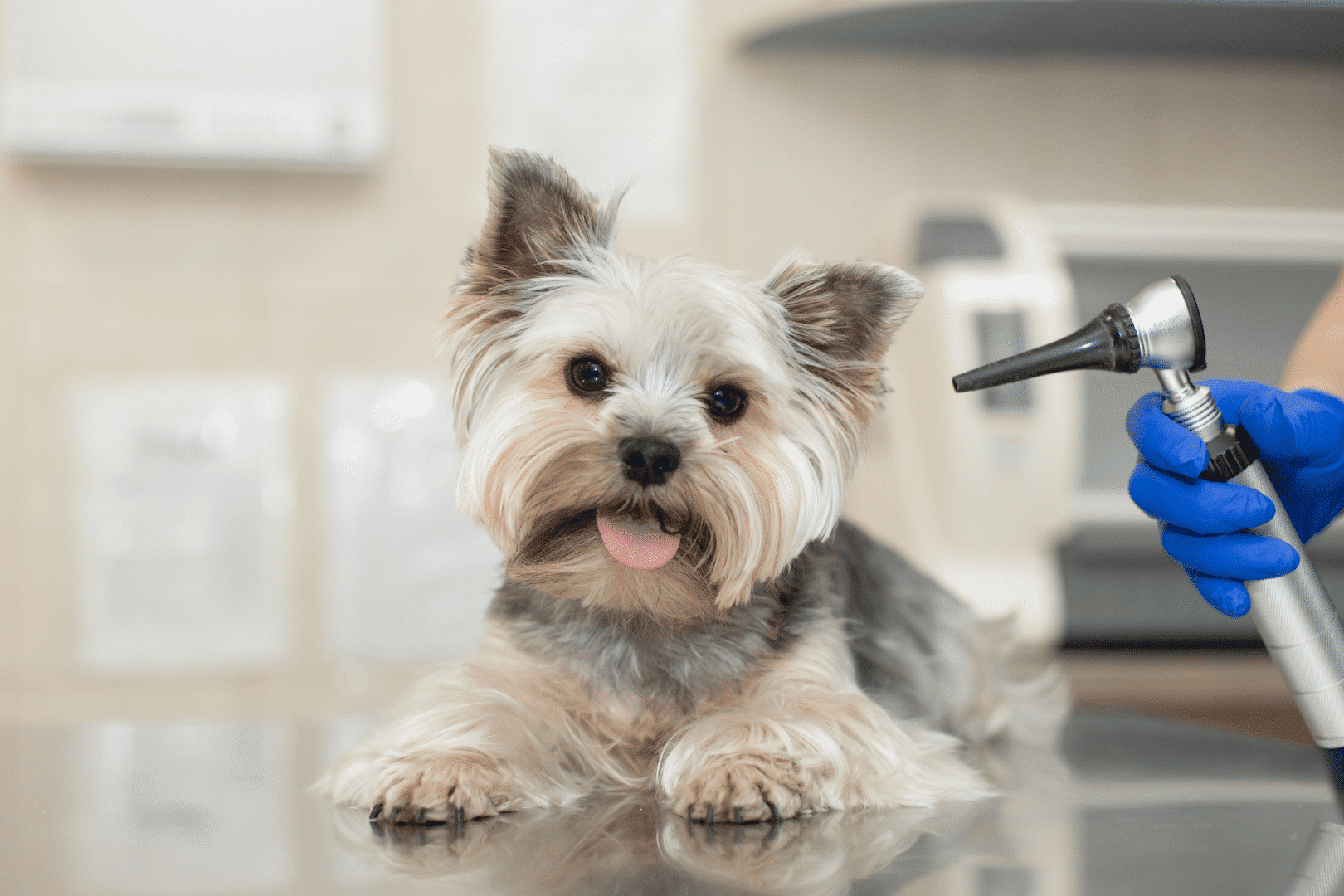
Yorkshire Terrier Ear Hygiene: Cleaning and Preventing Ear Infections
The Yorkshire Terrier’s erect ears promote ventilation, but they can also accumulate wax or hair in the ear canal, increasing the risk of ear infections if not checked regularly. A weekly inspection, proper cleaning, and controlling hair in the canal are simple measures that help keep ears healthy and prevent discomfort. Here’s how to do it correctly.
- Weekly check-up: check for excess earwax, bad odor, or discharge.
- Cleaning: if dirt is found, use appropriate veterinary products. Always avoid using cotton swabs.
- Hair control in the ear canal: in some cases, it is necessary to remove hair (using appropriate techniques and without causing irritation) to prevent recurrent ear infections.
Do you know how to clean your dog’s ears? Read our guide on how to clean your dog’s and cat’s ears here.
Other Yorkshire Terrier hygiene routines: nails, glands, and perianal area
In addition to hair, eye, and ear care, Yorkshire terriers require a series of hygiene routines that directly influence their comfort and health. Keeping their nails at a suitable length, checking their anal glands when necessary, and trimming the hair around their perianal and genital areas are tasks that help prevent pain, irritation, and infections. These are small habits that, when performed regularly, make a big difference to their daily well-being.
- Nail trimming: Yorkies tend to wear down their nails naturally, so they require regular trimming to avoid pain, poor posture, or injury.
- Anal glands: Some dogs need to have their anal glands emptied periodically if they have sacculitis or discomfort (dragging their rear end, excessive licking).
- Perianal and genital area: Long hair in these areas should be trimmed to prevent the accumulation of urine or feces, which can lead to dermatitis and infections.
How do I trim my dog’s nails? Here are some tips for trimming your dog or cat’s nails.
Veterinary care for Yorkshire terriers in Barcelona: specialists and stress-free care
At Balmesvet Veterinary Hospital, we specialize in breeds such as the Yorkshire terrier. We accompany you at every stage of your pet’s life, from their first check-up as a puppy to care in old age, always applying the Fear Free philosophy (fear-free clinic): we minimize stress, take care of their emotional and physical well-being, and make each visit a calmer and more positive experience. Our goal is for your Yorkshire terrier to enjoy a full and healthy life.
We look forward to seeing you at Calle Balmes 205, 08006 Barcelona. We are here to help you.
Balmesvet Veterinary Hospital
| Data | Information |
| Address | Carrer Balmes 205, 08006 Barcelona |
| Parking | Balmes 200 (30 min consultas; hasta 1 h urgencias) |
| Phone | 931 173 173 |
| atencioclient@balmesvet.com | |
| Consultations | 8:30–20:00 |
| Emergency/Hospitalization | 24/7 |
Can we help you? Call us or make an appointment. 24/7 emergency services available.


 Barcelona, C/ Balmes nº 205
 931 173 173
 info@balmesvet.com