


The Yorkshire Terrier is a small, active, and long-lived dog, but as with many miniature breeds, it has a genetic predisposition to certain diseases that are important to be aware of for prevention or early detection. The key to its well-being lies in veterinary care, dental checkups, proper nutrition, and regular checkups.
In this article, we review the most common diseases affecting Yorkshire Terriers, their warning signs, and the recommended veterinary care at each stage of their life, with a clear and practical approach for responsible owners.
Common diseases in Yorkshire Terriers
The most significant are:
- Periodontal disease: affects more than 90% of dogs, especially in the upper premolars. It can appear from an early age if dental hygiene is not taken care of.
- Patellar luxation: patellar luxation is present in almost a quarter of Yorkies. It causes intermittent limping and, in the long term, can lead to osteoarthritis.
- Tracheal collapse: almost 17.8% of the breed suffers from this condition. It manifests itself as chronic coughing that worsens with excitement or exercise.
- Allergic dermatitis: around 16.6% develop allergic dermatitis, causing itching, redness, and recurring sores.
- Hypoglycemia: 15.8% common in puppies and very small dogs. It can cause weakness, tremors, and even seizures.
- Endocardiosis (degeneration of heart valves): affects more than 12.6% of the breed and can lead to heart failure.
- Eye problems: Keratoconjunctivitis sicca (almost 9.6%) and cataracts (7%) are relatively common in this breed. To a lesser extent, progressive retinal atrophy (PRA) also occurs.
- Cryptorchidism: Up to 8% of males have one or both undescended testicles, which increases the risk of testicular tumors.
- Legg-Calvé-Perthes: orthopedic disease that affects 5% of young Yorkies and causes limping and hip pain.
- Urinary stones: predisposition to calcium oxalate 7.4% and ammonium stones (the latter related to portosystemic shunt).

Other diseases affecting Yorkshire Terriers
- Portosystemic shunt: a liver malformation with an incidence of approximately 3.2%. It can cause growth retardation, vomiting, and neurological disorders.
- Diabetes mellitus: affects between 2 and 3% of individuals of this breed, with a higher risk than in mixed-breed dogs.
- Hypothyroidism: less common, but described in the breed, with symptoms such as weight gain, listlessness, and skin problems.
- Lymphangiectasia or protein-losing enteropathy: a chronic intestinal disease that causes diarrhea, weight loss, and fluid accumulation in the abdomen.
- Necrotizing meningoencephalitis: a serious neurological condition, rare but described in Yorkies, which can cause seizures and balance problems.
- Cushing’s syndrome: a rare but possible endocrine disease in the breed, causing excessive thirst, a bulging abdomen, and symmetrical hair loss.
- Hip and elbow dysplasia: less common but documented.
Preventive plan for Yorkshire Terriers
- Periodontal disease
- Frequent tooth brushing with toothpaste specifically designed for dogs.
- Dental checkups starting at 2 years of age.
- Special diets or dental treats that reduce tartar buildup.
- Regular professional dental cleanings.
- Patella dislocation and dysplasia
- Avoid becoming overweight so as not to overload joints.
- Regular walks with moderate exercise.
- Avoid excessive jumping from heights.
- Early orthopedic checkup in puppies and follow-up with annual checkups.
- Tracheal collapse
- Always use a harness instead of a collar.
- Avoid exposure to smoke, dust, or irritating environments.
- Control weight to reduce pressure on the trachea.
- See your veterinarian if your pet has a chronic cough or difficulty breathing.
- Allergic dermatitis
- Hypoallergenic or specific diets, depending on the case.
- Use of external deworming treatments all year round.
- Environmental control against mites, dust, and pollen.
- Consult immediately in case of recurrent itching.
- Neonatal and juvenile hypoglycemia
- Strict control of meals during the first 4 months of life.
- As needed if the puppy spends more than 6 hours alone, without the possibility of feeding it during the day.
- Otherwise, four meals a day.
- Always keep food available for puppies of the “mini” or “teacup” variety.
- Go to the emergency vet if there is lethargy, weakness, or shaking.
- Strict control of meals during the first 4 months of life.
- Valvular endocardiosis
- Regular cardiological checkups starting at age 6–7.
- Weight control and moderate exercise.
- Early detection of coughing or fatigue.
- Dry keratoconjunctivitis
- Regular eye examinations.
- Watch for persistent eye discharge or recurrent conjunctivitis.
- Early treatment with eyedrops if diagnosed.
- Cryptorchidism
- Veterinary checkup on puppies to confirm testicular descent.
- Surgery recommended to prevent testicular tumors.
- Cataracts and Progressive Retinal Atrophy (prcd-PRA, hereditary)
- Regular eye examinations.
- Genetic tests are available to detect PRA (1 ml EDTA).
- Avoid breeding affected animals.
- Urinary stones
- Ultrasound or X-ray examinations if there are signs of urinary discomfort or blood in the urine.
- Specific diets for diagnosed dogs.
- Constant access to fresh water.
- Legg-Calvé-Perthes
- Orthopedic checkups for puppies and young dogs.
- Avoid sudden jumps and high-impact exercises.
- Portosystemic shunt
- Seek medical attention in case of growth retardation, recurrent vomiting, or seizures.
- Diagnosis with ultrasound and bile acid tests.
- Avoid breeding affected dogs.
- Cushing’s Syndrome, Diabetes, and Lymphangiectasia
- Regular check-ups for adult and senior dogs.
- Early detection of signs: increased thirst, excessive urination, distended abdomen, weight loss, or chronic diarrhea.
- Necrotizing meningoencephalitis (NME)
- Rare but serious.
- Importance of early detection of seizures or neurological changes.

Fundamentals for the Yorkie
- Keep up a plan for regular checkups with dental, cardiac, orthopedic, and eye examinations.
- Guardians should be informed about the genetic predisposition of the breed and the importance of early detection.
- Consider the option of genetic testing available:
- PRCD-PRA (progressive retinal atrophy): 1 ml EDTA.
- MDR1 (multidrug resistance): 1 ml EDTA.
At Balmesvet, we have a comprehensive team that can assist you in each of these areas of Yorkshire Terrier health. If you would like to learn more, please check out our services in Internal Medicine, Dentistry, Traumatology and Orthopedics, Cardiology, Dermatology, Ophthalmology, Neurology, and Surgery, among others.
Veterinary care by age for Yorkshire Terriers
Yorkshire puppy (0–12 months)
The first year of a Yorkshire Terrier’s life is crucial for laying the foundations for its health and behavior.
- Vaccination and deworming: follow the veterinary vaccination schedule (distemper, parvovirus, hepatitis, leptospirosis, rabies, etc.) and internal and external deworming.
- Prevention of hypoglycemia: due to their small size, puppies can suffer dangerous drops in blood sugar. It is essential to feed them four meals a day or when they are hungry and avoid long periods of fasting.
- Early socialization: between 3 and 14 weeks of age, puppies should be exposed, under controlled conditions, to people, other dogs, city noises, and different environments. This prevents problems such as fear, behavioral reactivity, or anxiety in adulthood.
- Brushing and dental check-ups: even with deciduous (baby) teeth, it is a good idea to get your puppy used to having their teeth brushed and checked by a dentist.
- Basic training: start with positive reinforcement, hygiene routines, walking with a harness, and simple obedience.
At Balmesvet, we accompany you during this important stage. We have specific protocols for the new puppy’s first visits, where we check the health of the new family member, answer any questions you may have, and clearly explain everything you need to know to care for your puppy safely and with peace of mind. Our team will guide you through vaccinations, feeding, socialization, training, and prevention of common problems, so that your puppy can grow up healthy, stable, and well-adjusted to its environment. If you wish, we can schedule your first puppy visit at a time that suits you best.

Adult Yorkie (1–7 years)
At this stage, the Yorkie reaches physical and emotional maturity and requires a care plan that ensures its long-term well-being.
- Veterinary dental check-ups and preventative care: The first signs of periodontal disease usually appear at around 2–3 years of age. It is advisable to schedule regular dental cleanings.
- Joint and orthopedic check-ups: Annual check-ups to detect patellar luxation or Legg-Calvé-Perthes disease early on.
- Preventive cardiovascular monitoring: clinical examination and chest examination at each check-up; in some cases, echocardiography to rule out early heart valve disease.
- Avoiding excess weight: maintain an optimal weight through a balanced diet and moderate exercise. Excess weight aggravates joint and heart problems.
- Skin care and allergies: The first signs of atopic or food dermatitis usually appear at this stage. Consult your doctor if they experience persistent itching.
- Regular eye exams: To detect early cataracts or dry eye syndrome.
Senior Yorkshire (from age 8–9)
Yorkies are one of the longest-lived breeds, so their senior years can be long and require specific care.
- Complete cardiac examinations: heart valve disease is very common; echocardiography and X-rays may be necessary depending on the patient’s progress.
- Eye exams: early diagnosis of cataracts, PRA, or dry eye. Maintaining their eyesight is key to their quality of life.
- Kidney and liver monitoring: regular tests to rule out chronic kidney failure or liver disorders such as delayed portosystemic shunt.
- Detection of diabetes and endocrine disorders: monitoring of glucose, thyroid function, and clinical signs such as increased thirst, excessive urination, or weight changes.
- Pain and mobility control: Arthritis and joint degeneration may occur; treatment with anti-inflammatory drugs, physical therapy, or joint supplements improves quality of life.
- Tumor prevention: abdominal examinations and ultrasounds to rule out masses (liver, spleen, intestine) and skin checks.
- Cognitive dysfunction and canine dementia
- From the age of 10–11, some Yorkies may show signs of cognitive decline: disorientation, sleep disturbances, decreased social interaction, forgetting routines, or soiling in the house.
- It is not “normal for their age,” but a recognized and studied disease.
- Early detection allows for dietary changes (foods with antioxidants and essential fatty acids), stable routines, environmental enrichment, and, in some cases, medication to help slow progression.
- Geriatric veterinary checkups at Balmesvet include behavioral assessments to detect these changes early on.
- There is a specific test for cognitive dysfunction that allows the mental state of the dog to be assessed and early signs of impairment to be identified. It is based on a structured questionnaire answered by the owners, with questions about their daily routines and behaviors, and provides an objective assessment of the degree of cognitive dysfunction.
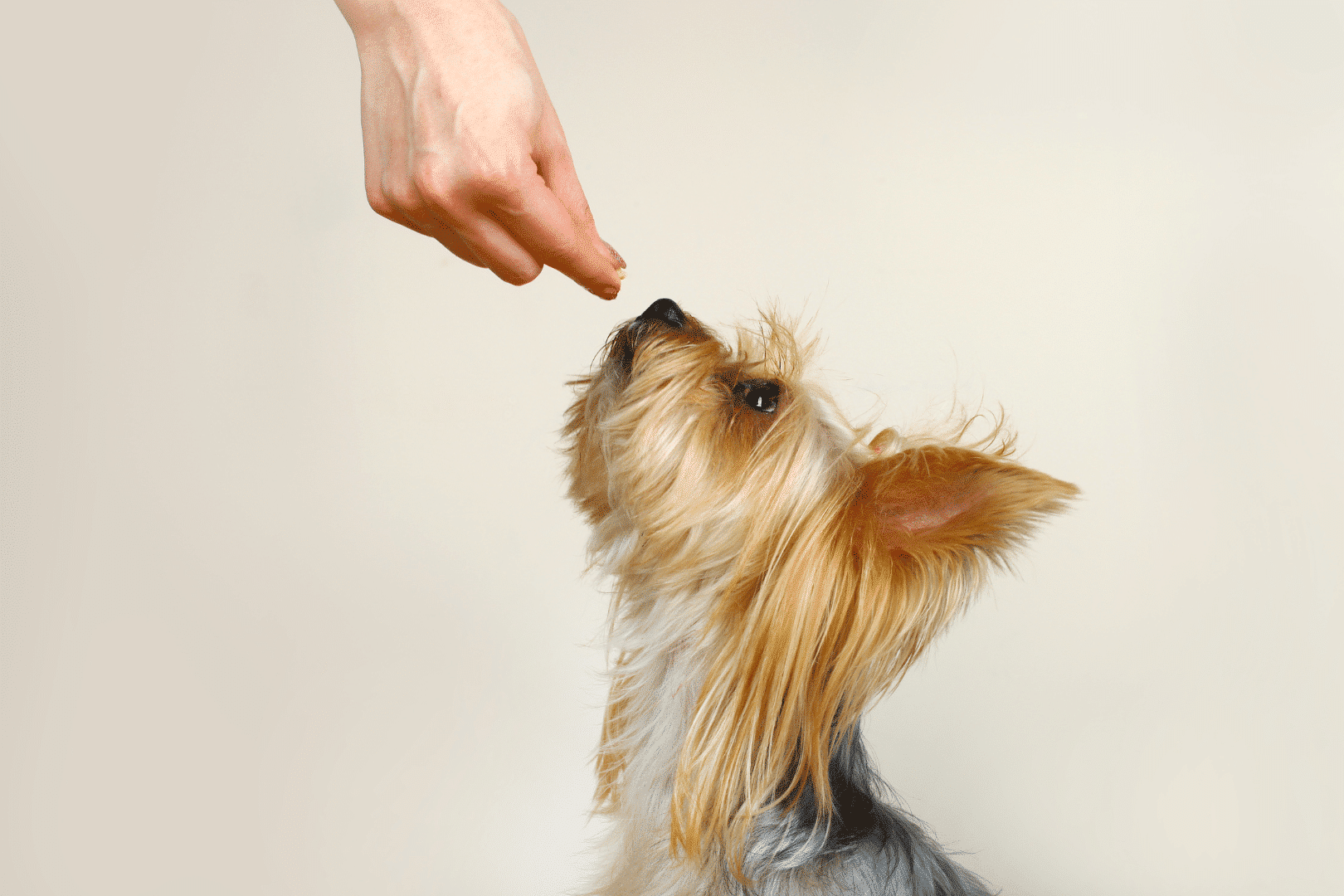
Yorkshire Terrier Food and Nutrition
The Yorkie is a dog with a fast metabolism, which means it burns energy easily and needs a high-quality diet that provides easily digestible protein, healthy fats, and complex carbohydrates. Its digestive system is also delicate, so proper nutrition is key to preventing gastrointestinal problems and maintaining its vitality.
- Food for small breeds: ideally, you should give your dog food that is specifically formulated for mini or toy breeds. These foods contain the right proportion of energy and nutrients, as well as smaller kibble that is easier to chew and reduces the risk of choking.
- How to give the right serving size:
- If the dog is able to self-regulate, you can leave the entire amount of daily feed in its bowl so that it eats small amounts throughout the day.
- If your dog is very eager to eat (something common in this breed), it is best to divide the portion into 2–3 daily meals. For puppies, 3–4 small meals a day are recommended to prevent hypoglycemia.
- Avoid excess weight: Yorkshires are prone to joint problems (such as patellar luxation or Legg-Calvé-Perthes disease) and heart problems. Excess weight increases the risk of these diseases and shortens their life expectancy. Keeping them at their ideal weight is not just for aesthetic reasons: it is essential for their joint, cardiovascular, and overall health.
- Moist food: contains much more water (≈60–87%), so dogs that eat it ingest more water through their food and tend to drink less separately. This is a useful strategy when we want to increase water intake.
- Homemade diets: only those developed and supervised by veterinary specialists. They are acceptable if they are fully balanced by a nutritionist and reviewed periodically.
Owners should bear in mind that there are many products, foods, medicines, and plants that are toxic to dogs. In a Yorkie, due to its small size, even a minimal amount can cause serious poisoning. In addition, there are foods and objects that, although not toxic, can cause serious problems if ingested by a dog. Among the most common are:
- Small or splintered bones
- Risk of intestinal obstruction or perforation.
- Fatty or fried foods
- They predispose them to acute pancreatitis, a serious disease.
- Toys or small parts
- They can cause intestinal blockages.
You may be interested in our blog posts “List of 40 most common toxic indoor and outdoor plants” and “Medications and substances that are poisonous to dogs and cats.”
Frequently asked questions about Yorkshire Terrier health
What are the most common diseases in Yorkshire Terriers?
The most common are periodontal disease, patellar luxation, tracheal collapse, allergic dermatitis, hypoglycemia in puppies, and endocardiosis. Cataracts, keratoconjunctivitis sicca, and liver problems such as portosystemic shunt may also occur.
At what age should I start taking my Yorkie for veterinary checkups?
From puppyhood. From 2–3 years of age, it is advisable to have annual dental checkups and, from 6–7 years of age, cardiological and ophthalmological checkups to detect age-related diseases.
How can I prevent tracheal collapse?
Avoid using a collar and always use a harness. Keep your dog at its ideal weight, reduce exposure to smoke or dust, and consult your veterinarian if your dog develops a dry or hacking cough.
What care does a senior Yorkshire Terrier need?
Regular heart, dental, and eye checkups, weight control, and monitoring of kidney and liver function. At this stage, it is also important to watch for signs of cognitive dysfunction or joint pain.
What diet is best suited to this breed?
A diet specifically designed for small breeds, rich in digestible proteins and healthy fats. It is preferable to split meals into smaller portions to avoid hypoglycemia and maintain good dental hygiene. Homemade or wet diets should be supervised by a veterinary nutritionist.
Balmesvet: prevention and well-being for your Yorkshire Terrier
Yorkshire Terriers can enjoy a long and healthy life if they receive proper preventive care. With good veterinary monitoring, a balanced diet, and a check-up plan tailored to each stage of life, it is possible to detect most diseases that affect the breed early on.
At Balmesvet, we have a multidisciplinary team that accompanies each Yorkie from their very first day of life: from dental and preventive care to geriatrics and emotional well-being under the Fear Free philosophy.
We help you take care of your Yorkshire Terrier’s physical and emotional health.
Would you like to learn more about the temperament and needs of Yorkies after delving into their health? We recommend reading the first part of this guide, “Yorkshire Terriers: Temperament, Origin, and Tips for Living with This Popular Breed in Barcelona.”
At Balmesvet, our veterinary team in Barcelona accompanies you through every stage of your Yorkshire terrier’s life, offering personalized care, respectful protocols, and specialists in dentistry, cardiology, dermatology, and internal medicine.
We look forward to seeing you at Calle Balmes 205, 08006 Barcelona. Your Yorkshire is in the best hands with us.
Balmesvet Veterinary Hospital
| Data | Information |
| Address | Carrer Balmes 205, 08006 Barcelona |
| Parking | Balmes 200 (30 min consultas; hasta 1 h urgencias) |
| Phone | 931 173 173 |
| atencioclient@balmesvet.com | |
| Consultations | 8:30–20:00 |
| Emergency/Hospitalization | 24/7 |
Can we help you? Call us or make an appointment. 24/7 emergency services available.

 Barcelona, C/ Balmes nº 205
 931 173 173
 info@balmesvet.com