


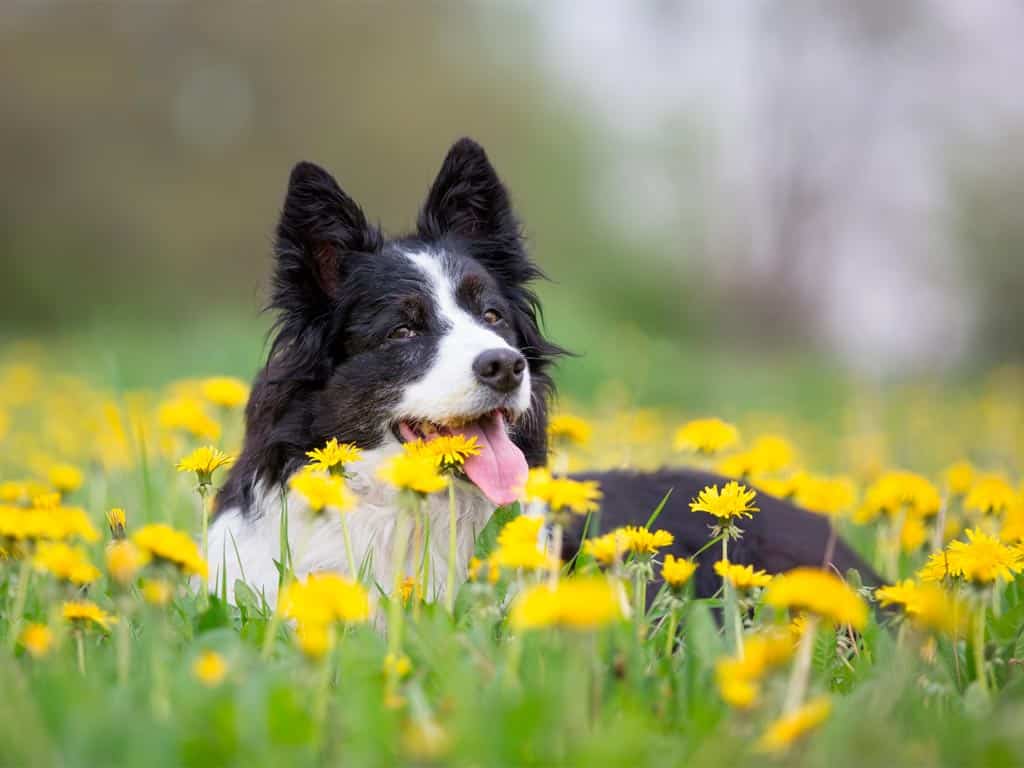
The arrival of spring brings warmer temperatures, longer days and much more plant life. However, it also means increased levels of pollen, dust and other environmental allergens that can affect not only people, but also our pets. Many caregivers are unaware that dogs and cats can suffer from seasonal allergies just like humans, exhibiting symptoms that affect their skin, respiratory system and general well-being.
In this blog we will explain in depth the causes, symptoms, treatments and preventive measures to manage seasonal allergies in dogs and cats, helping you to ensure the health of your companion.
What are seasonal allergies in cats and dogs?
Seasonal allergies, also known as atopic dermatitis, are a response of the pet’s immune system to certain environmental allergens such as pollen, dust mites, mold and fungal spores. These substances can cause an allergic reaction in both dogs and cats, causing dermal, respiratory and eye symptoms.
Unlike other allergies, such as food allergies, seasonal allergies usually appear only at certain times of the year, mainly in spring and autumn.
Most common causes of seasonal allergies in cats and dogs
The main triggers of spring allergies include:
- Tree, grass and shrub pollen: during flowering, plants release pollen in large quantities.
- Dust mites: present throughout the year, but more active in spring and fall due to changes in temperature and humidity.
- Mold and fungus spores: found in damp areas and may be present in the home, garden and parks.
- Insect bites: insects such as fleas, mosquitoes and ticks increase in the spring and can cause allergic reactions.
Allergy symptoms in cats and dogs
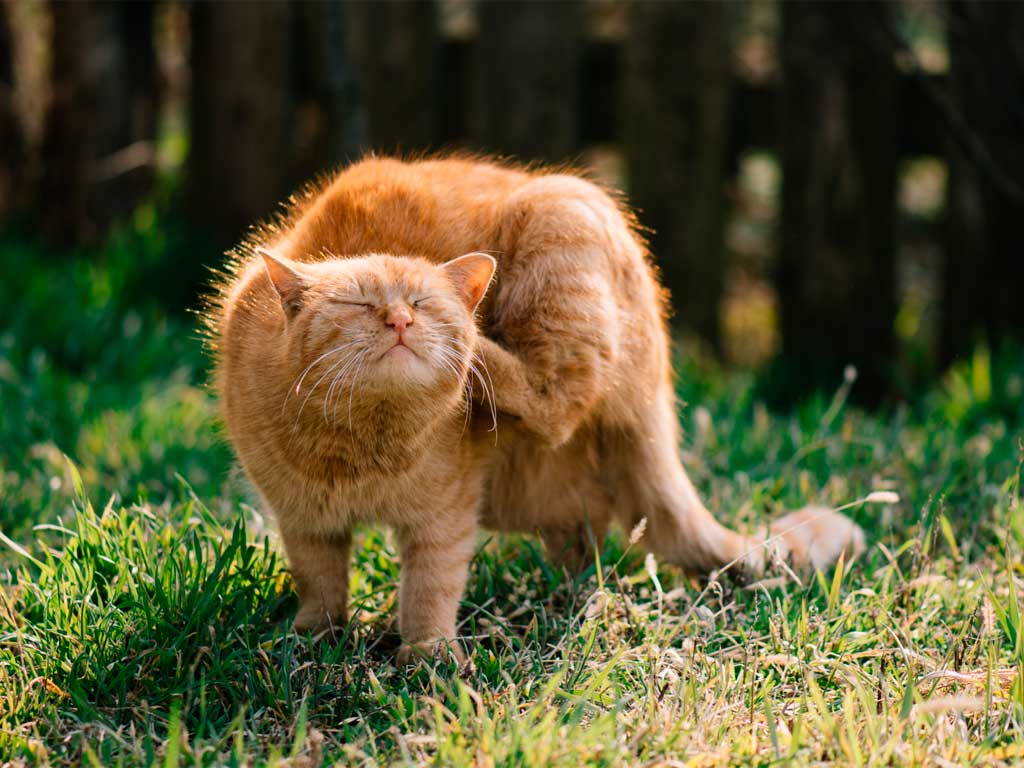
Allergic reactions in pets can vary depending on the severity and exposure to the allergen. The most common symptoms include:
Skin symptoms:
- Intense itching (pruritus), leading to scratching, licking and excessive biting.
- Redness and swelling of the skin.
- Hair loss in affected areas.
- Presence of sores due to excessive scratching.
Respiratory symptoms:
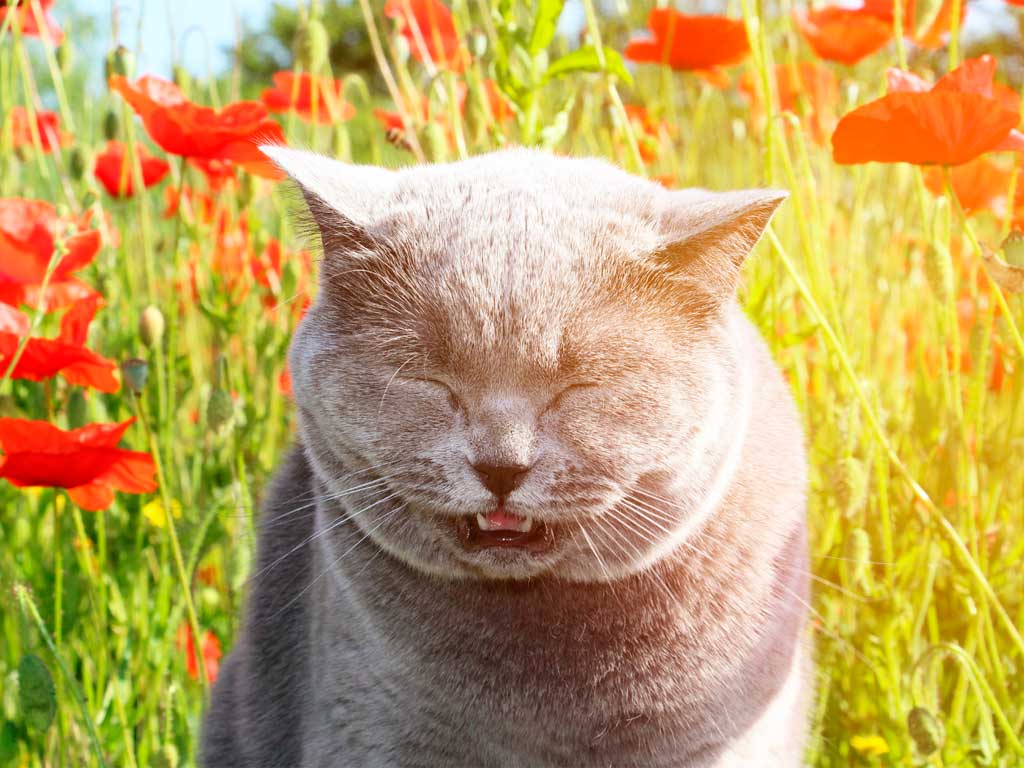
- Frequent sneezing and runny nose.
- Watery and red eyes.
- Coughing and shortness of breath in more severe cases.
Symptoms in ears and paws:
- Recurrent otitis.
- Redness and irritation of the footpads.
- Constant licking or biting of the paws.
If you notice any of these symptoms in your cat or dog, it is essential to visit a veterinarian to determine the exact cause and receive the appropriate treatment.
Diagnosis of seasonal allergies in dogs and cats
Diagnosis of allergies in pets is based on observation of symptoms, ruling out other possible causes and, in some cases, specific tests.
Diagnostic methods:
- Medical history and physical examination: the veterinarian will analyze your companion’s medical history and perform an evaluation of their symptoms.
- Intradermal or blood allergy testing: specific tests may be performed to identify the allergens affecting the patient.
- Elimination diet: in some cases, the veterinarian may suggest eliminating certain foods to rule out food allergies.
Treatment and control of seasonal allergies in cats and dogs
Once a seasonal allergy is diagnosed, treatment will depend on the severity of symptoms and the response of each patient.
Treatment options:
- Medications to help control the symptoms: in some cases, the veterinarian may prescribe certain drugs that will help reduce the immune response to help alleviate the intense itching. It is important not to self-medicate the pet and always follow the veterinarian’s instructions.
- Immunotherapy (allergy shots): consists of administering small doses of the allergen to help the immune system develop tolerance. This is a long-term treatment that can reduce sensitivity to allergens and significantly improve symptoms in many patients.
- Essential fatty acids (Omega 3 and 6): help strengthen the skin barrier, reduce inflammation and improve skin health, reducing the intensity of allergic symptoms. They can be administered in the form of supplements or through specific diets.
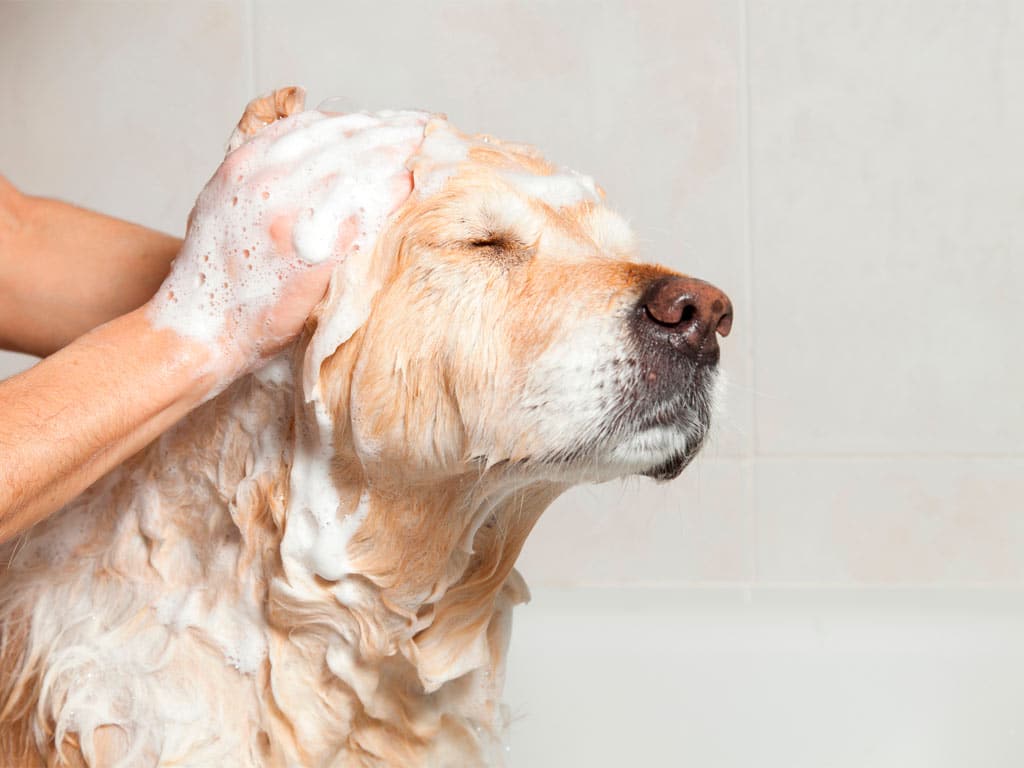
- Hypoallergenic shampoos and lotions: baths with specific dermatological products help soothe the skin, eliminate accumulated allergens in the coat and reduce itching. Depending on the case, the veterinarian will recommend the frequency of baths and the most appropriate type of product.
- Specific diets: in certain situations, in order to reduce the frequency of allergic outbreaks, in addition to assessing certain therapies, the veterinarian may prescribe diets supplemented with certain vitamins in order to reinforce the skin barrier from within.
Preventive measures for reducing allergies
Preventing exposure to allergens is key to minimizing allergic reactions in pets. Here are some practical tips:
At home:
- Keep windows closed on high pollen days.
- Use HEPA filters in the home to reduce allergens in the air.
- Frequently clean and vacuum carpets, curtains and furniture.
- Wash your pets’ bedding and blankets regularly.
On walks:
- Avoid going out during the hours of highest pollen concentration (morning and evening).
- Clean your pet’s coat and paws after every walk.
- Do not allow them to play on freshly mowed lawns.
Hygiene and care:
- Bathe your pet with hypoallergenic products recommended by your veterinarian.
- Brush their coat regularly to remove pollen and other allergens.
- Consult your veterinarian about the possibility of nutritional supplements to strengthen the skin barrier.
Complications of seasonal allergies in cats and dogs
It is important to keep in mind that seasonal allergic reactions can evolve into more severe conditions if not managed correctly. Some common complications include:
- Atopic dermatitis: this is a chronic inflammation of the skin caused by an allergic reaction to environmental allergens such as pollen or dust mites. It affects between 10% and 15% of dogs and can become a serious problem if not properly controlled.
- Allergic otitis: generally associated with erythema, inflammation of the duct and increased ear discharge that can be predisposing to bacterial and fungal infections.
- Secondary infections: excessive scratching can cause wounds that lead to infections, especially bacterial.
Seasonal allergies in cats and dogs are more common than many owners realize. In many cases they can be effectively managed with appropriate treatment and preventive measures. The key is early observation, timely diagnosis and implementation of strategies to reduce allergen exposure.
If you suspect that your pet suffers from seasonal allergies, do not hesitate to consult your veterinarian. At Balmesvet, we have our dermatology service to help you improve the quality of life of your canine and feline companion.
Want to dig deeper into atopic dermatitis? Don’t miss our blogs:
Atopic dermatitis in dogs – Learn how to recognize its symptoms and how to soothe your dog.
Skin diseases in cats: Atopic dermatitis – Everything you need to know about this condition in felines.
Knowledge is the best tool for taking care of your pet. Discover more and get ready for a carefree spring!


 Barcelona, C/ Balmes nº 205
 931 173 173
 info@balmesvet.com