


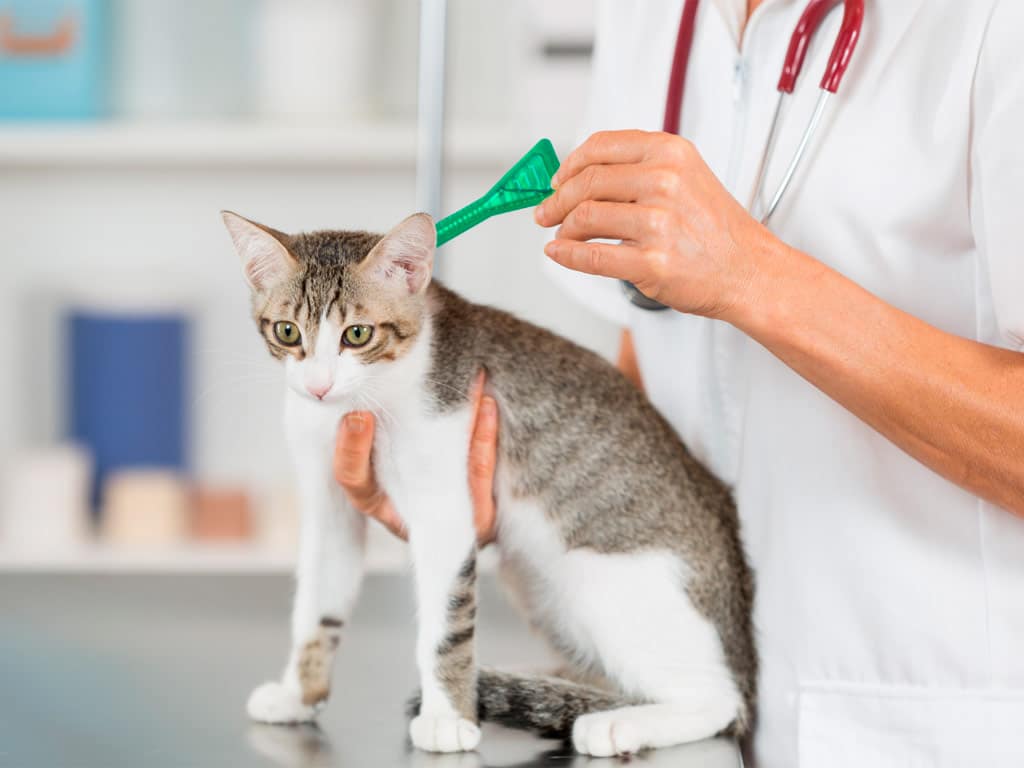
The control of external parasites is an essential part of the well-being of our feline and canine companions. However, the incorrect use of antiparasitics can lead to dangerous poisoning. One of the most frequent and serious mistakes is to give cats dewormer that is designed for dogs, without knowing the serious consequences that this can entail. Many dog dewormers contain permethrin, a highly toxic insecticide for cats that can cause severe neurological symptoms and, in some cases, be fatal.
This blog seeks to clarify the causes of this toxicity, the symptoms of poisoning, the appropriate treatment and the necessary preventive measures to avoid a tragic outcome.
Why are dog dewormers dangerous for cats?
Metabolic differences between cats and dogs
Cats have a very particular liver metabolism that is different from that of dogs. Their liver lacks certain enzymes necessary to metabolize compounds such as pyrethroids, a family of insecticides that permethrin belongs to. Specifically, they lack glucuronyl transferase, an enzyme essential for breaking down and filtering many chemicals. This means that cats cannot eliminate permethrin efficiently, allowing it to accumulate in their system and cause severe neurological damage.
Permethrin’s active mechanism
Permethrin acts in insects by blocking nerve transmission, keeping the sodium channels of neurons open and causing paralysis and death in parasites such as fleas and ticks. In mammals, these effects are minimized by a rapid metabolism that degrades the substance. However, in cats, permethrin is not effectively broken down, resulting in overstimulation of the nervous system that can lead to tremors, convulsions and, in severe cases, multi-organ failure.
How does the poisoning occur?
Cats can be poisoned by permethrin in several ways:
- Direct application: when a guardian mistakenly applies a dog dropper to his cat.
- Contact with a treated dog: if a cat lives with a dog that has recently been treated with a permethrin-containing dropper and licks or rubs against it.
- Environmental exposure: if a cat steps on a contaminated surface and then grooms itself, ingesting the substance.
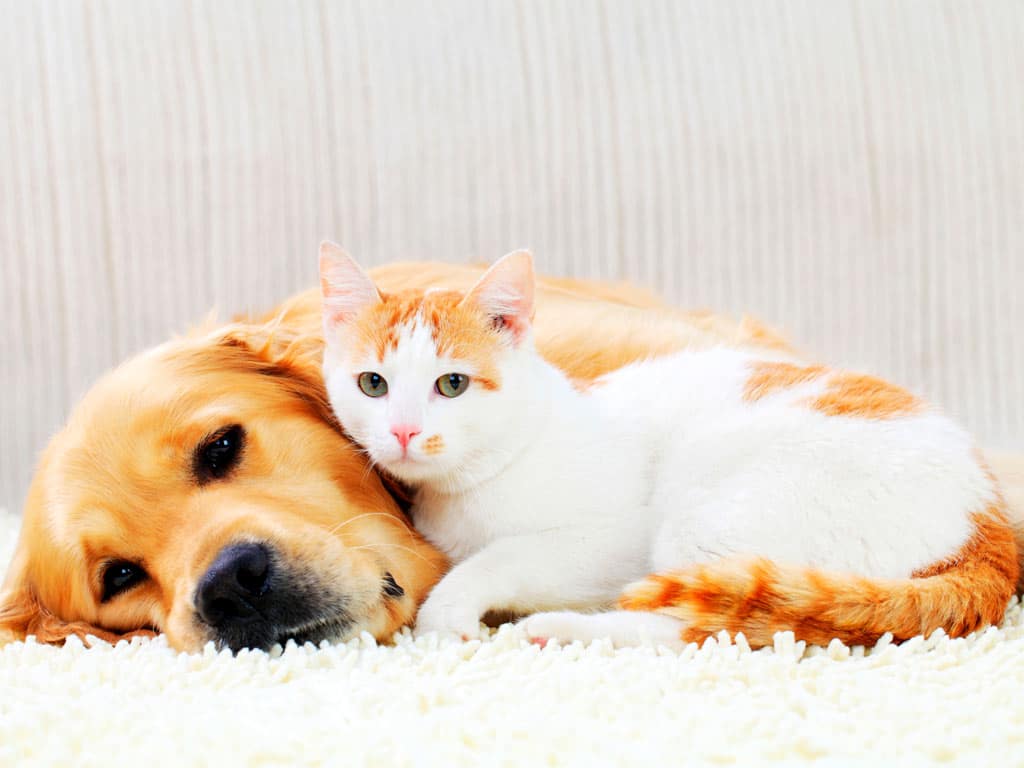
It is important to note that it does not take a high dose for a cat to become intoxicated. Even small amounts of permethrin can cause severe symptoms.
Symptoms of permethrin poisoning in cats
Clinical signs may appear within 30 minutes to 72 hours after exposure and progress rapidly if the cat is not treated immediately.
Neurological symptoms:
- Uncontrollable muscle tremors.
- Convulsions.
- Stiffness in the extremities.
- Hypersalivation.
- Loss of balance or incoordination.
Digestive symptoms:
- Vomiting.
- Intense diarrhea.
Other symptoms:
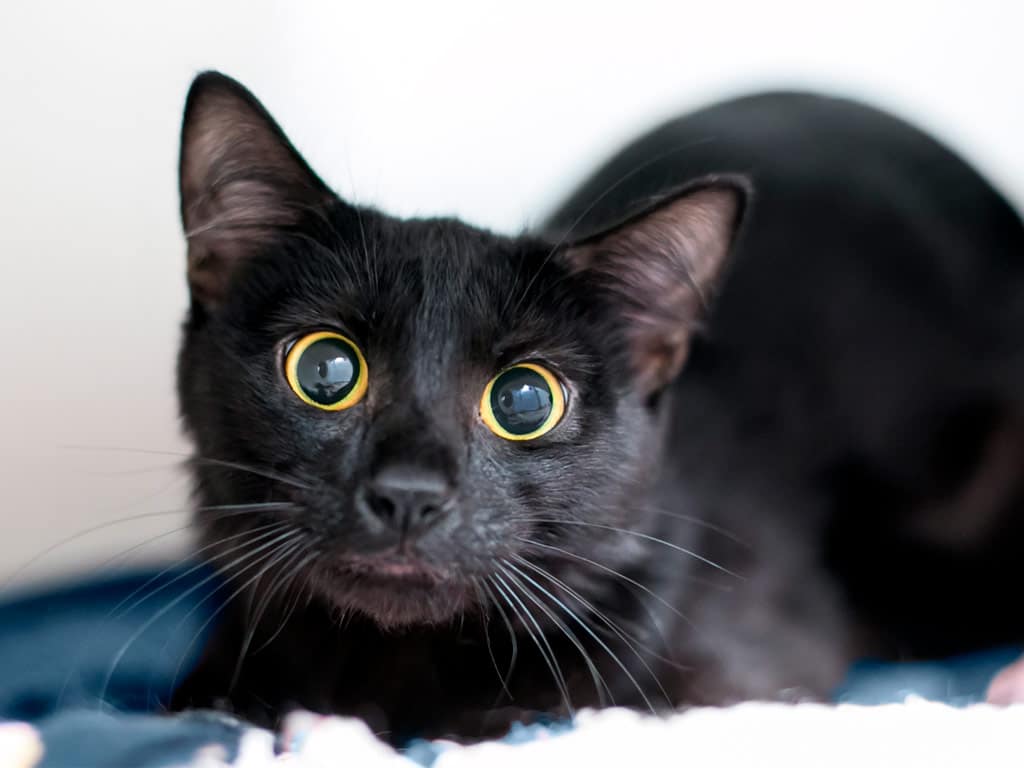
- Dilated pupils (mydriasis).
- Hyperthermia (elevated temperature).
- Difficulty breathing.
- Hypersensitivity to stimuli such as light and noise.
If you notice any of these symptoms in your cat, see a veterinarian immediately. Permethrin poisoning is potentially fatal if not treated in time.
What to do if you have applied a dog dewormer dropper to a cat by mistake?
If you have accidentally applied a dog dropper to your cat or suspect that your cat has been in contact with permethrin, follow these steps:
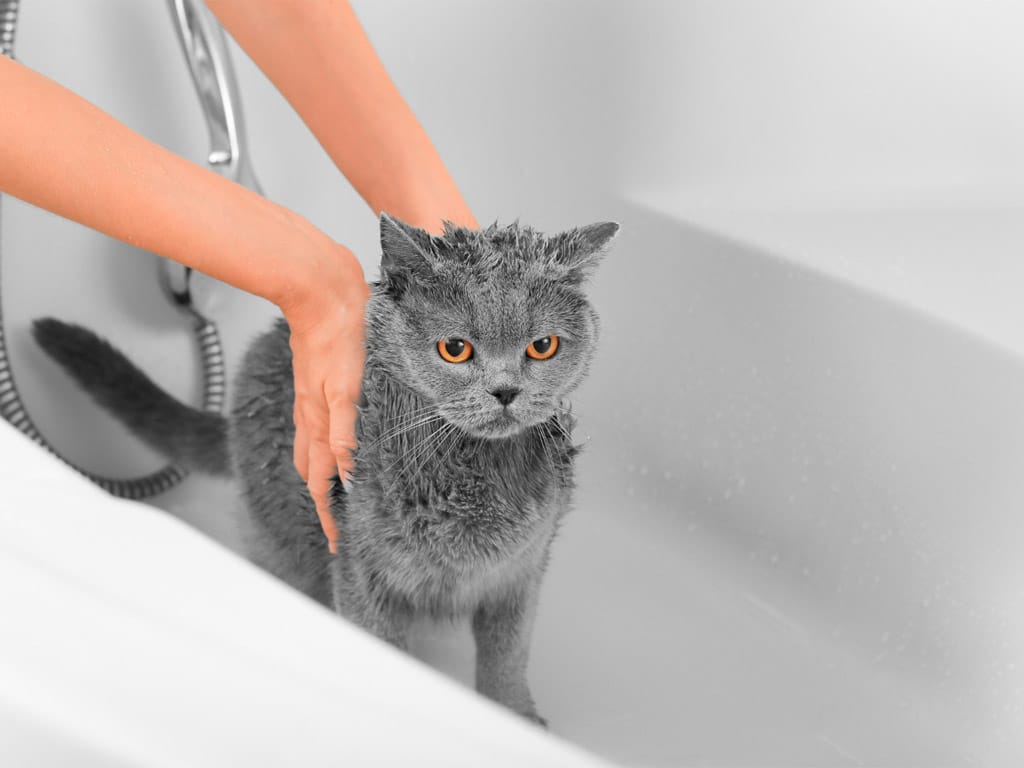
- Wash the affected area immediately with plenty of water and neutral soap, avoiding excessive rubbing to avoid irritating the skin.
- Prevent the cat from licking itself, as the oral absorption of permethrin exacerbates the toxicity of the poisoning.
- See a veterinarian immediately. Do not wait for symptoms to appear.
Veterinary treatment will depend on the degree of intoxication and the amount absorbed, and may include:
- Intravenous fluid therapy to help eliminate the toxin.
- Administration of sedatives or anticonvulsants in cases of severe tremors or convulsions.
- Glucose monitoring and body temperature control.
- Dermal decontamination after stabilization.
- In severe cases they may require continuous support in the intensive care unit (ICU).
It is important to remember that there is no specific antidote for permethrin, so treatment is symptomatic and supportive.
Best choice of soap for washing a permethrin poisoned cat
If you cannot immediately go to a veterinary clinic, it is important that you perform a first wash at home to reduce the absorption of the toxin into your cat’s skin. Permethrin is a lipophilic substance, which means that it adheres to the fat in the skin and coat, so it is essential to use a soap that helps to remove it without causing irritation. To do this, it is ideal to choose a mild soap, without perfumes or harsh chemicals, which cleans effectively without damaging the cat’s skin barrier. In case of emergency, these soaps can be a safe option to minimize the absorption of permethrin while you are on your way to the vet:
Recommended soap:
- Neutral soap without fragrances (ex: pure glycerin soap).
- Hypoallergenic baby soap (ex: no dyes or perfumes).
- pH-balanced pet soap (ex: oatmeal shampoo for cats or dogs with sensitive skin).
- Castile soap (100% vegetable) (made with natural oils such as olive or coconut).
Soaps to avoid:
- With perfumes or colorants.
- Dish soap or strong detergents.
- Shampoos with insecticides or pyrethroids.
How to wash a cat with permethrin poisoning
- Use warm (not hot) water to slightly open the pores without irritating the skin.
- Apply the soap with gentle movements, without rubbing excessively, to avoid further absorption of the permethrin.
- Rinse with plenty of water to remove any residue.
- Dry the cat with a clean towel without rubbing too much.
- See a veterinarian immediately, as washing only reduces absorption, but does not remove the toxin from the system.
Prevention: the best way to avoid poisoning
- Use only dewormers designed for cats.
- Read product labels carefully before application.
- Keep cats away from dogs treated with permethrin-containing products for at least 24 hours.
- Consult your veterinarian before applying any dewormer if in doubt.
The importance of acting fast
Permethrin poisoning in cats is a veterinary emergency. Knowing how to identify the symptoms and act quickly can be the difference between life and death for your cat. If you think your cat has been exposed to this substance, do not waste time, go to your veterinarian immediately.
In Balmesvet, we know that emergencies do not have schedules, so we are available 24 hours a day, 365 days a year to meet any veterinary emergency. If your cat needs immediate attention, you can come directly to our hospital in C/Balmes 205, Barcelona, and while you are on your way, do not hesitate to call us at 931 173 173 so we can advise you and be ready to receive your feline companion as soon as possible.


 Barcelona, C/ Balmes nº 205
 931 173 173
 info@balmesvet.com