


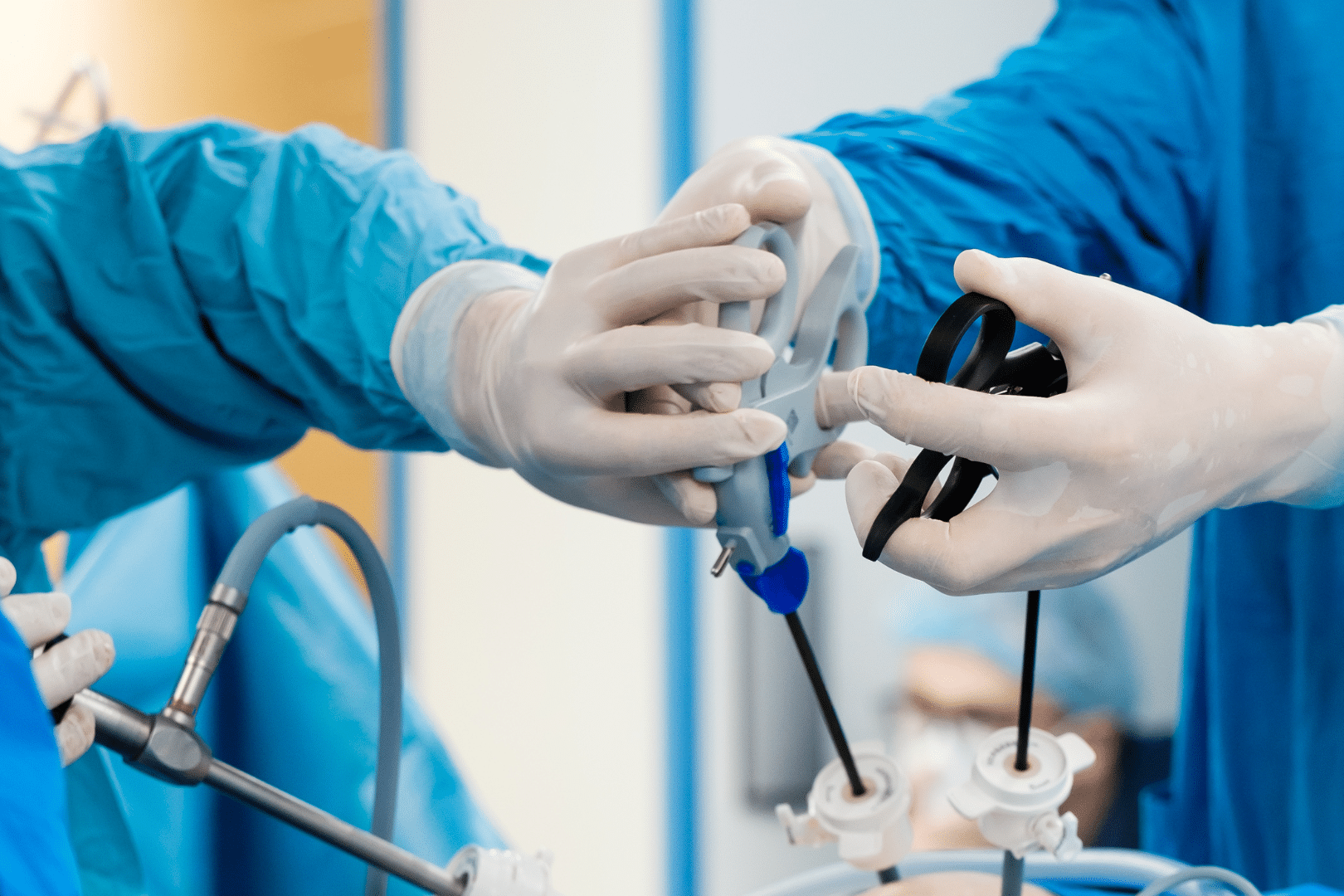
Minimally invasive surgery (MIS) has revolutionized veterinary medicine, offering new and improved surgical options for cats and dogs. This surgical approach, which involves making small incisions and using high-definition cameras and specialized instruments, allows for less traumatic procedures, with faster recoveries and lower risk of complications. In this blog, we will explore in depth the benefits, challenges, techniques and applications of MIS in veterinary medicine.
Benefits of minimally invasive surgery
MIS offers numerous advantages for patients:
- Reduced postoperative pain: small incisions reduce tissue damage, which translates into less pain after surgery.
- Faster recovery: patients usually recover more quickly and are discharged home sooner than with conventional surgery.
- Lower risk of infections: small wounds reduce the chances of surgical infections.
- Smaller and more discreet scars: internally, scars are smaller and minimal incisions leave fewer visible marks on the skin.
- Surgical precision: high-definition cameras allow detailed visualization of internal structures, increasing precision.
- Less blood loss: careful handling and advanced technology decrease bleeding during surgery.
- Less anesthesia time: there are surgeries in which minimally invasive surgery is performed with less time than conventional surgery, and anesthetic time is also reduced.
- Less trauma to surrounding organs and tissues: the technique minimizes the handling of nearby organs, reducing complications, in addition to preserving more of the surrounding healthy tissue.
- Quicker return to their routine: pets can resume their normal life much sooner compared to traditional open surgeries.

Common minimally invasive surgical techniques
Before listing the techniques, it is important to note that at Balmesvet we handle each case with a personalized approach, evaluating which procedure is the most appropriate for each canine or feline patient. The following are the most commonly used techniques:
Laparoscopy
Laparoscopy is an alternative to open abdominal surgery. Through small incisions, we insert a camera and surgical instruments, which allows us to visualize and manipulate internal organs with great precision. At Balmesvet, we use laparoscopy to:
- Sterilization (ovariectomy or ovarihysterectomy).
- Castration of cryptorchid testicles.
- Cholecystectomy (gallbladder removal).
- Prophylactic gastropexy to prevent gastric dilatation-gastric torsion.
- Hepatic, pancreatic, renal, prostatic and splenic biopsies.
- Exploratory surgery.
- Advanced abdominal surgery such as nephrectomy, adrenalectomy, extrahepatic shunt approach, among others.
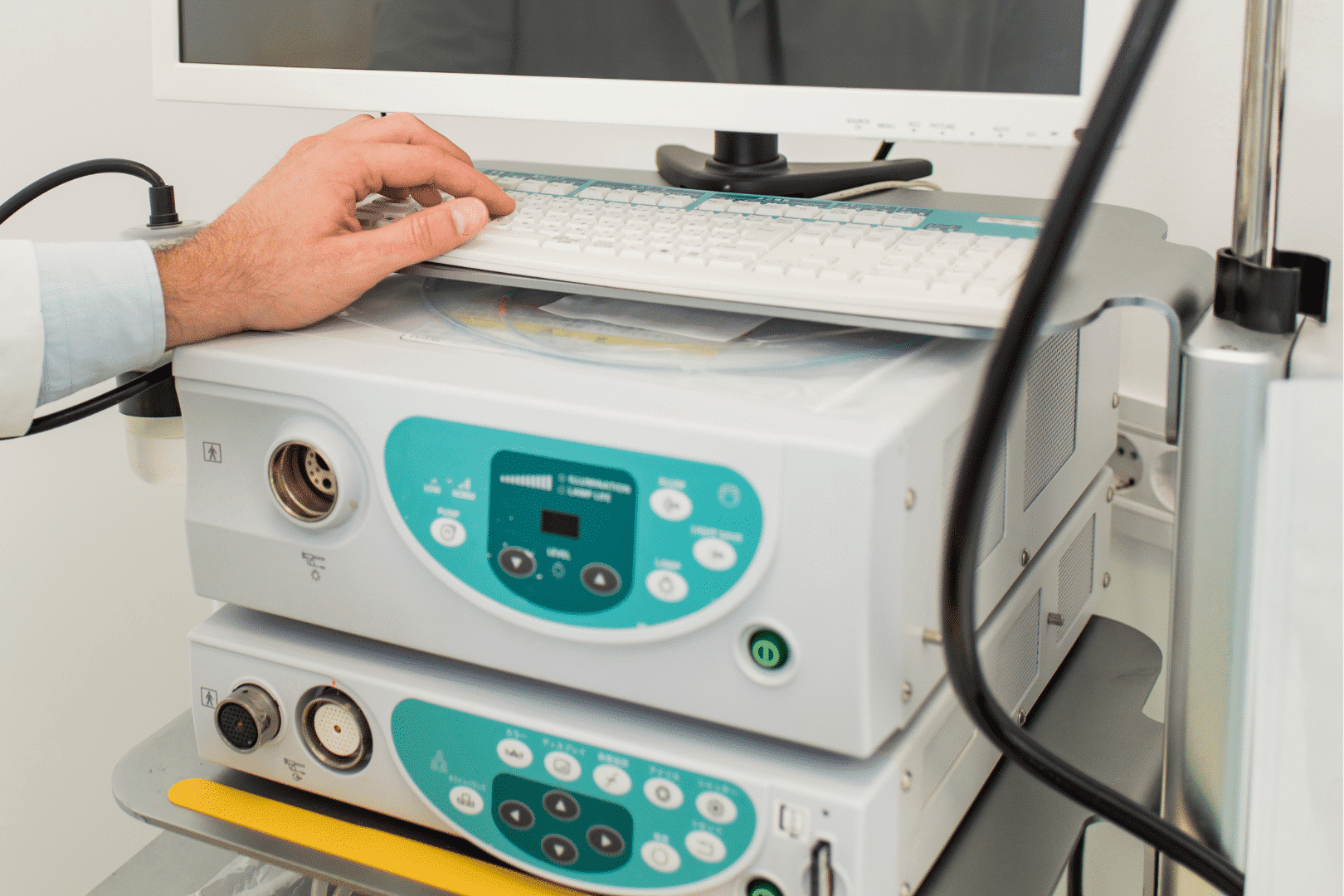
This technique significantly reduces postoperative pain and recovery time, making the surgical experience more bearable for our patients.
Thoracoscopy
Thoracoscopy allows us to access the thoracic cavity through small incisions. This method is especially useful for:
- Pericardiectomy (treatment of pericardial effusion).
- Thoracic duct ligation.
- Biopsies of lung lesions.
- Diagnosis and treatment of thoracic tumors (pulmonary, mesotheliomas, thymomas).
- Assisted pulmonary lobectomy.
Traditional thoracic surgery is highly invasive, but with thoracoscopy we reduce surgical trauma, facilitating a faster and less painful recovery.
Cystoscopy
Cystoscopy allows evaluation of the lower urogenital tract, being especially valuable for:
- Diagnosis of recurrent urinary tract infections.
- Visualization of anomalies that are not detected in x-rays or ultrasound.
- Obtaining urogenital biopsies.
- Administration of localized treatments.
- Removal of urinary stones.
- Diagnosis and treatment of ectopic ureters.
Arthroscopy
Arthroscopy has become the standard for diagnosing and treating joint conditions, thanks to its precision and minimal approach. In our veterinary hospital in Barcelona, we use this technique for:
- Diagnose and treat shoulder diseases: osteochondritis dissecans (OCD), biceps tenosynovitis and shoulder instability.
- Treat elbow problems: non-union of the anconeus process, medial compartment disease (OCD of the medial humeral condyle and fragmentation of the coronoid process).
- Perform joint biopsies.
- Diagnosis of knee diseases: meniscal tears and OCD.
Arthroscopy allows precise operations with less postoperative pain and faster recovery.
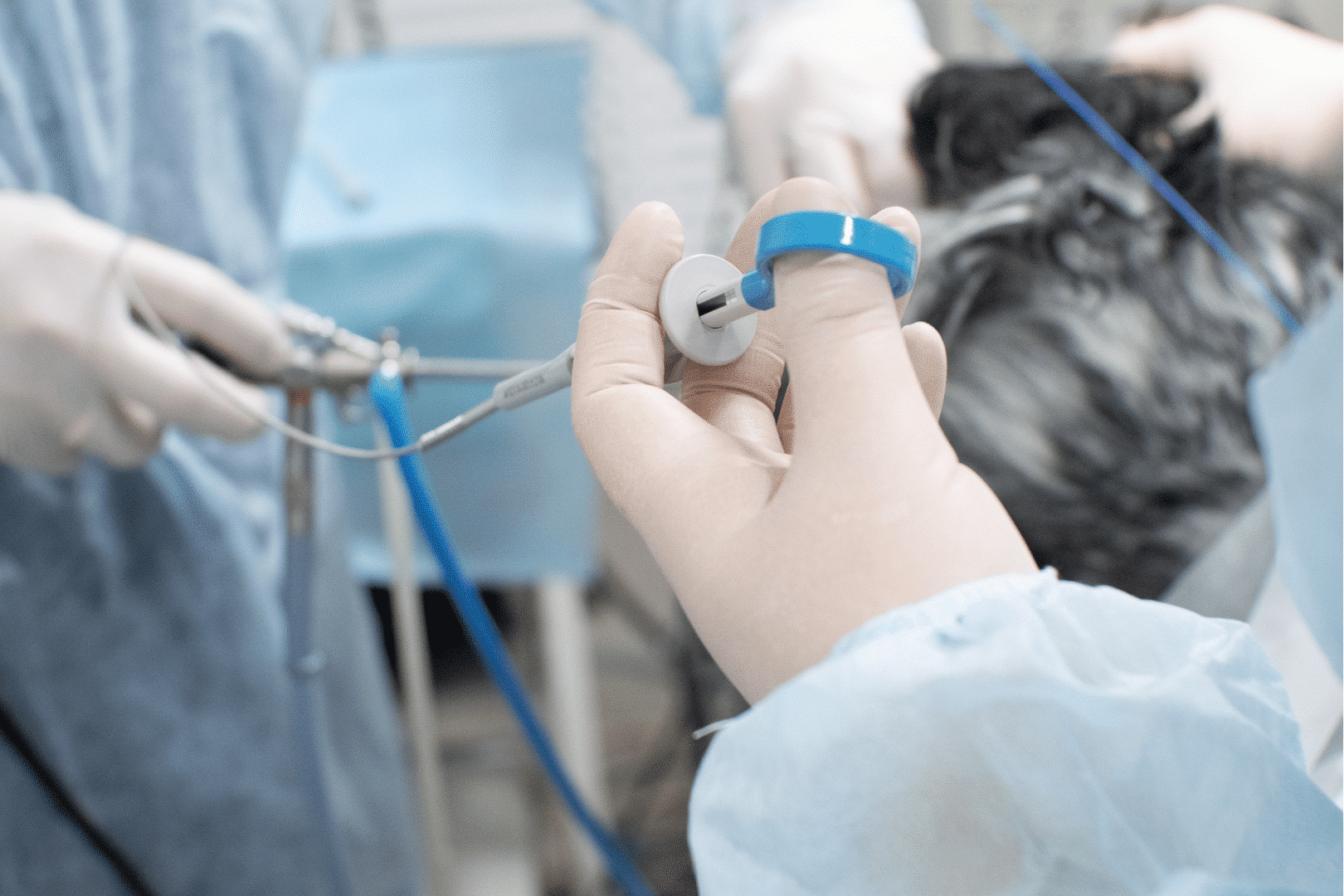
Digestive and Respiratory Endoscopy
At Balmesvet we also offer:
- Digestive endoscopy: diagnosis of gastrointestinal diseases with sampling for biopsies, extraction of foreign bodies, placement of feeding tubes and dilatation of esophageal narrowings.
- Respiratory endoscopy: as diagnostic and therapeutic laryngotracheobronchoscopy, extraction of foreign bodies, diagnosis of brachycephalic syndrome and laryngeal paralysis.
- Rhinoscopy: exploration of the nasal cavities to diagnose conditions such as chronic rhinitis, presence of foreign bodies, nasal tumors or infections. This technique allows us to perform nasal biopsies and minimally invasive treatments.
Urogenital Endoscopy
We perform urogenital endoscopies for diagnosis with biopsies and procedures such as transcervical inseminations.
At Balmesvet, we are committed to innovation and quality to offer the best to our patients. Minimally invasive surgery is proof of our commitment to your well-being. For more information or if you have any doubts, do not hesitate to contact us by phone at 931 173 173 or by e-mail at atencioclient@balmesvet.com.
Physiological considerations and postoperative care in a minimally invasive surgery
Patients should be carefully evaluated prior to surgery. During MIS, positive pressure ventilation is used and intra-abdominal pressure is monitored to avoid complications.
Post-operative care includes:
- Rest and limitation of movement.
- Pain medication.
- Constant monitoring.
The future of minimally invasive surgery in veterinary medicine
Continued advancement in technology and training promises to expand the applications of MIS, improving the quality of life of our pets.
The development of new devices, such as smaller and more precise cameras, has enabled more veterinarians to adopt these techniques. 3D printing and advanced imaging such as CT and MRI further facilitate surgical precision. Increasing demand from practitioners is driving clinics to invest in training and equipment.
These factors are contributing to the growth of minimally invasive surgery, causing more and more hospitals, such as Balmesvet, to adopt these advanced techniques for the well-being of cats and dogs.
Balmesvet’s commitment
Minimally invasive surgery is transforming small animal veterinary surgery, offering significant advantages for veterinarians and patients. With accessible training programs and continued technological advances, MIS will continue to expand its reach, improving surgical outcomes and the overall well-being of pets.
At Balmesvet, we are committed to excellence in veterinary care, adopting the most advanced techniques and ensuring that our canine and feline companions receive the best possible healthcare. We will continue to invest in training and technology to offer innovative procedures that guarantee health, well-being and a better quality of life for the pets we care for every day.
Would you like to learn more about how minimally invasive surgery can benefit your cat or dog? Contact Balmesvet by email at atencioclient@balmesvet.com or phone 931 173 173 today for a personalized consultation. We are here to care for your canine and feline companion with the most advanced and compassionate care.

 Barcelona, C/ Balmes nº 205
 931 173 173
 info@balmesvet.com