


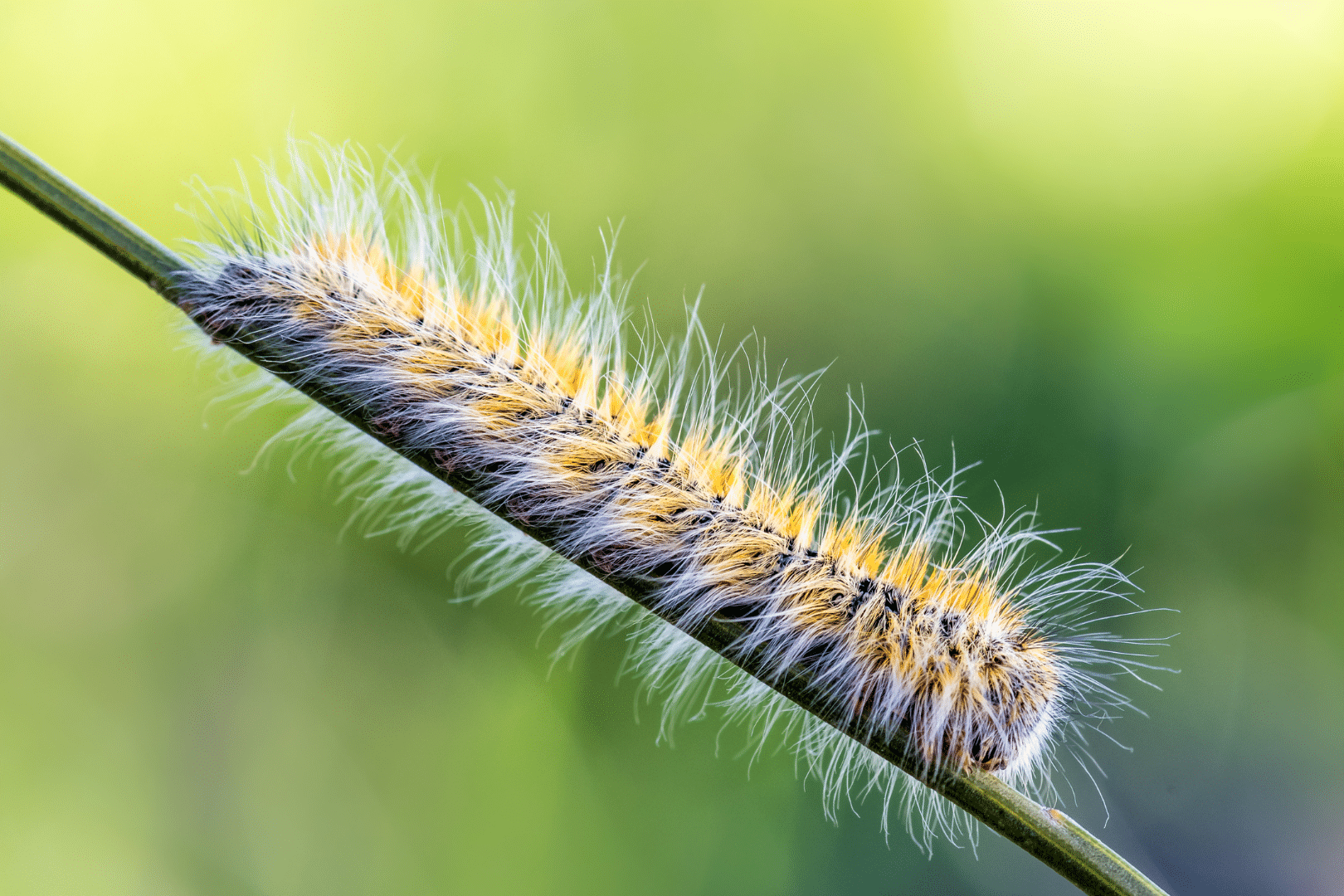
Every year the earlier arrival of the pine processionary caterpillar generates concern among veterinarians and pet caretakers alike. With the onset of good weather, the risk of your cat or dog coming into contact with one of the most dangerous insects for their health increases: the pine processionary caterpillar. This small but toxic insect can cause everything from mild irritations to serious reactions that can endanger the life of your canine and feline companion. In this article, we will explain what the pine processionary caterpillar is, why it is so dangerous, how to recognize its symptoms, prevention measures, and most importantly, how to act if your dog or cat comes into contact with it.
What is the pine processionary and why is it dangerous?
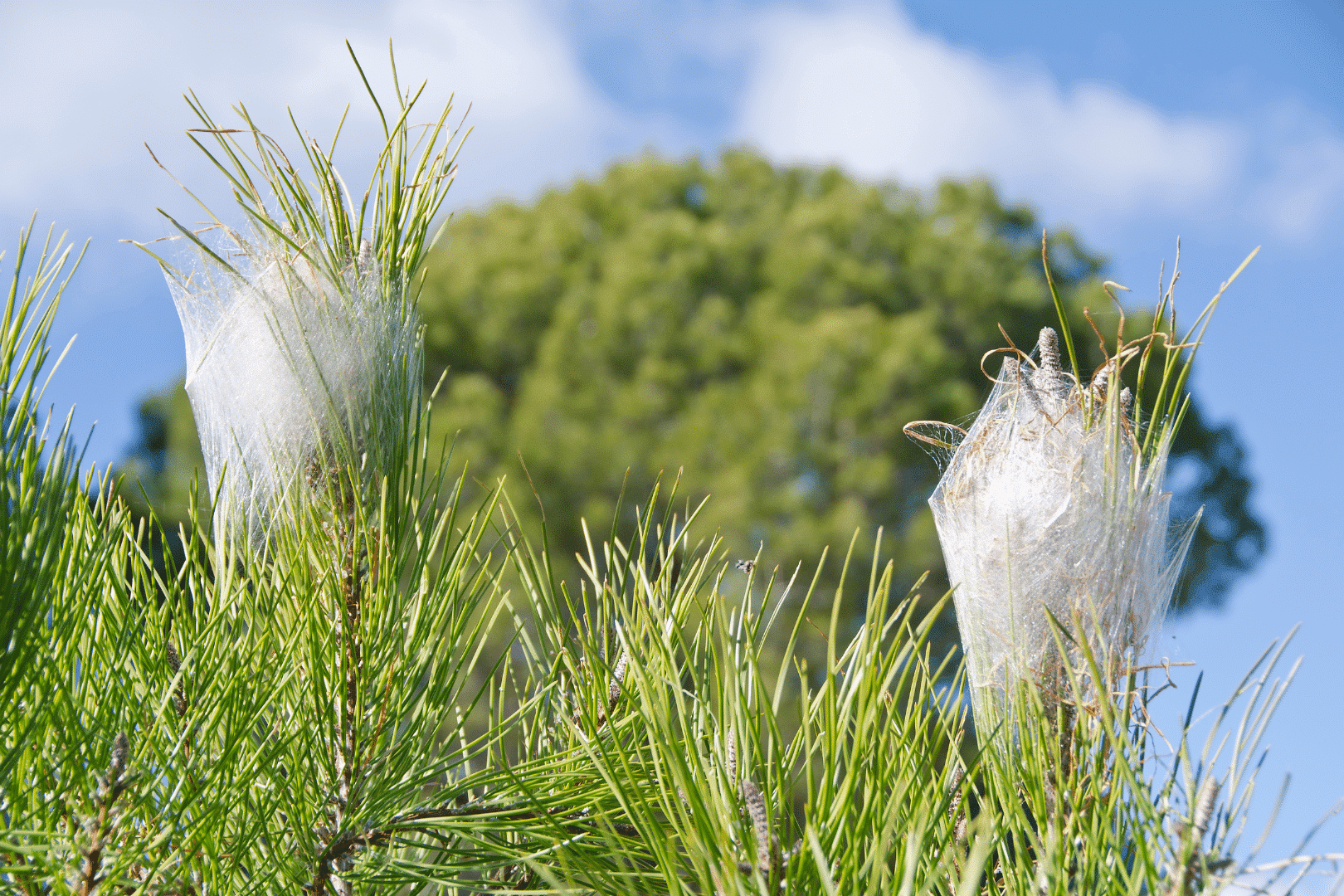
The processionary caterpillar (Thaumetopoea pityocampa) is a lepidopteran insect widespread in pine forests throughout Europe and specifically in the Iberian Peninsula. This pine caterpillar feeds primarily on the leaves of conifers of the Pinus and Cedrus genera. During the month of December, in its moth phase, it forms a white pouch in the treetops, where it lays its eggs, forming nests that can house up to 200 larvae.
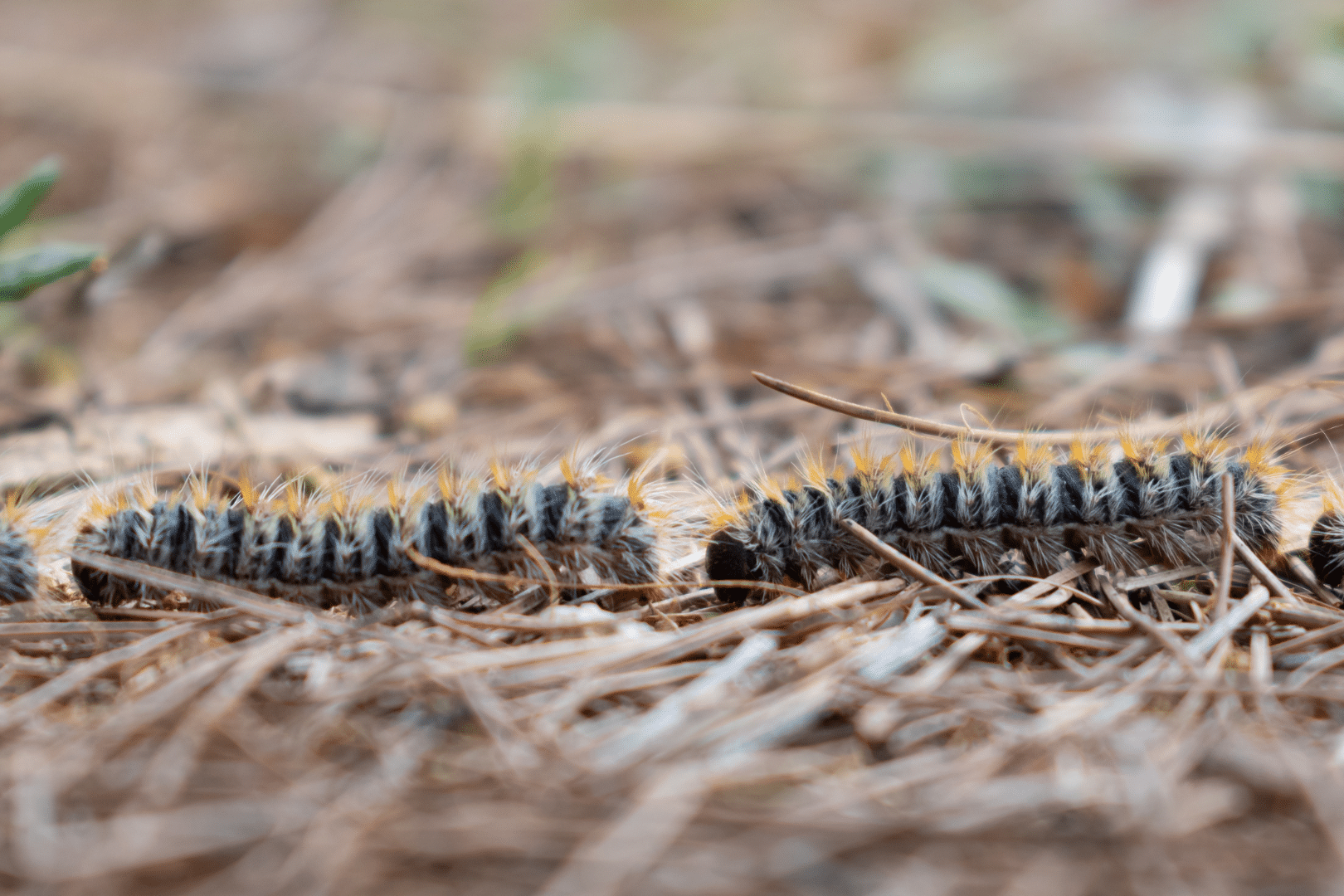
Its larval stage III is the most dangerous. It is a caterpillar about 3 cm long with numerous highly toxic dorsal hairs. The most harmful moment for the public is when the caterpillars seek to bury themselves in the ground to complete their metamorphosis and descend the trunk of the trees forming a characteristic line that simulates a “procession”, hence its name.
This phase normally begins around February and lasts until April. However, the duration of the different stages may vary depending on weather conditions.
The most concerning aspect of these caterpillars are their stinging hairs, which are known as trichomes, and it is estimated that each specimen has about half a million of them distributed throughout the body. These “poisonous darts” contain a toxin called Thaumatopin, which is how the processionary caterpillar defends itself from its aggressors, who, when in contact with these hairs, can suffer allergic reactions that can range from localized inflammation to severe respiratory problems and, in extreme cases, death.
Symptoms of contact with the pine processionary
The first reaction of a cat or dog upon contact with a pine caterpillar is usually to lick and rub the affected area persistently. This contact should always be considered a veterinary emergency, as the consequences can be serious.
Symptoms appear immediately or in the first hours after exposure. Some signs to take into account are:
- Excessive drooling and difficulty closing their mouth.
- Intense itching, scratching or rubbing of the snout against the ground.
- Irritation of the face, paws or any exposed area.
- Rhinitis and ulcers on the nose.
- Swelling and ulcers on the tongue.
- Eye irritation, conjunctivitis and inflammation of the eyelids.
- Fainting and fever.
- Shortness of breath, coughing or vomiting.
Other serious effects include:
- Necrosis of the tongue: the toxin can destroy the tissues, leading to partial or total loss of the tongue.
- Throat inflammation: severe swelling of the throat that prevents breathing, requiring intubation or tracheotomy.
- Uveitis and corneal ulcers: if there is contact with the eyes.
- Anaphylactic shock: a severe and potentially life-threatening allergic reaction that causes respiratory distress, extreme swelling, collapse and, without rapid treatment, can be fatal.
- Death: in extreme cases if not treated in time.
If you suspect that your dog or cat has been in contact with a processionary, act immediately. At Balmesvet, we are prepared to attend emergencies 24 hours a day, 365 days a year.
What to do if your dog or cat comes in contact with a processionary caterpillar?
The first and most important thing you should know is that you should not rub the affected area after contact with the caterpillar because:
- The trichomes (stinging hairs) of the caterpillar are extremely fine and fragile, and when rubbed, can break off and penetrate deeper into the skin or mucous membranes.
- Rubbing releases more toxin (Thaumatopin) contained in the trichomes, which aggravates the allergic and inflammatory reaction.
- It increases the risk of lesions such as ulcers, necrosis or infections by spreading the trichomes to other areas of the body.
- Worsens symptoms, as itching, pain and irritation can be intensified by spreading the toxins.
Speed is crucial in the event of contact with the pine processionary caterpillar. Follow these first aid steps as you make your way to the veterinarian:
- Remain calm and remove the animal from the affected area: move your dog or cat away immediately to avoid further contact.
- Always remember to protect yourself while helping: wear gloves and carefully remove any visible traces of caterpillar, hairs or secretions that may be left on your pet. Avoid contact of your eyes or skin with the filaments.
- Wash the affected area with plenty of lukewarm water: thaumatopin, the processionary toxin, degrades with heat.
- Prevent your pet from licking or rubbing the affected area: this prevents the toxin from spreading to other areas.
- If you observe hypersalivation, drooling or vomiting: make sure that your dog or cat does not choke if it is very weak. Pay attention to avoid complications.
- If there is generalized itching: bathe or soak gently in lukewarm water to remove toxic trichomes.
- Go immediately to a veterinary hospital: at Balmesvet, we are available 24/7 to administer any necessary treatment to stop the allergic reaction and avoid serious complications.

A quick and proper response can make all the difference in the recovery of your canine or feline companion. In our veterinary hospital without fear or pain (accredited as Fear Free and Cat Friendly Clinic Gold), we are prepared to attend emergencies 24 hours a day, 365 days a year.
How to protect your dog or cat from the processionary caterpillar?
Preventing contact with the processionary caterpillar is the best way to protect your pet. Here are some clear and effective recommendations:
- Avoid walks in pine forest areas between February and April: this is the period of greatest activity of the caterpillars, when they descend from the trees.
- Change the area where you walk: opt for parks without trees or areas with asphalted surfaces where the risk is lower.
- Always keep your dog on a leash: especially in spring, keeping them under control will prevent him from approaching rows of processionary caterpillars.
- Visually check trees and the ground during walks: look for possible nests or rows of caterpillars to avoid approaching them.
- If you have a garden with conifers: keep the trees checked and free of nests, get professionals to prune, fumigate or install pheromone traps.
- Do not step on the caterpillars to kill them: their stinging spines can stay in your shoes and be carried home.
- Autumn is the ideal time to act: at this time the nests where the caterpillars spend the winter are formed, so it is advisable to apply preventive measures such as traps, biocides or pheromones.
By following these tips, you will significantly reduce the risk of your cat or dog coming into contact with this dangerous insect. But if you need us, at Balmesvet we have a team of trained professionals, canine and feline hospitalization, equipped ICU and veterinary financing options to ensure that your pet receives the best care.
Balmesvet: immediate and professional veterinary care
Every year, at Balmesvet we attend numerous emergencies caused by contact with the processionary caterpillar. Our experience has shown us that quick action is the key to saving lives and avoiding serious consequences.
The pine processionary is a real and potentially deadly threat to dogs and cats, and every minute counts. Acting with caution and going to the veterinarian in case of any suspicion of contact is essential. At Balmesvet, we are available 24 hours a day, 365 days a year, to attend any veterinary emergency.
If your feline or canine companion has come in contact with a processionary, contact us immediately at 931 173 173 or come to our facilities in Calle Balmes 205, Barcelona. At Balmesvet, we will quickly evaluate their condition and administer the most appropriate treatment, either by means of steroids, antihistamines, gastric protectors or antibiotics, according to the needs of each case.
Keep in mind that many patients require hospitalization and continuous follow-up, but don’t worry, our veterinary hospital is equipped with state-of-the-art technology and a specialized Intensive Care Unit (ICU), guaranteeing constant and personalized attention, available 24 hours a day, 365 days a year, to offer the most complete care to our canine and feline patients.

Pine processionary caterpillar management in Barcelona: strategies and measures to protect your dog or cat
In Barcelona, control of the processionary caterpillar pest is tackled through a combination of preventive and curative actions, led by the Municipal Institute of Parks and Gardens. The most affected areas are the green spaces near the Collserola mountain range, Montjuïc and other areas with conifers.
Preventive measures:
- Installation of traps to capture adult butterflies in summer.
- Endotherapy treatments on trees near sensitive areas, such as children’s playgrounds and dog parks.
- Application of low-toxicity phytosanitary products and placement of nest boxes to encourage the presence of natural predators of the processionary moth.
Curative measures:
- Removal of accessible nests by means of lift platforms.
- Spray treatments on affected trees and collection of caterpillars on the ground with specialized personnel.
Did you know that you can also collaborate in the detection of the pine processionary caterpillar in the forests of Catalonia?
AlertaForestal, a CREAF citizen science project, allows anyone to provide information on the state of health of Catalan forests through photographs. This initiative pays special attention to the presence of the pine processionary, and your collaboration can contribute to the development of predictive models for the future health of our ecosystems.
Citizen participation is key to quickly detect possible sources of infestation in forests, gardens and parks, facilitating an agile and effective response. Together, we can protect the environment and ensure the safety of our pets. Get involved and help to tackle this threat!

 Barcelona, C/ Balmes nº 205
 931 173 173
 info@balmesvet.com