


At Balmesvet, we are committed to enrichment tools that reduce fear, anxiety, and stress, and also improve cooperation at home and in the clinic. Lick Mats fit perfectly with our “Fear Free” and “Cat Friendly” philosophy: they encourage calm behavior, turn potentially unpleasant experiences into something positive, and provide real mental stimulation for dogs and cats.
What is a lick mat and why does it help reduce stress in dogs and cats?
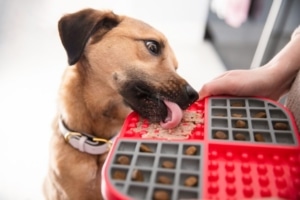
The Lick Mat is an environmental enrichment and feeding device designed to stimulate controlled licking in cats and dogs. It consists of a flat surface made of food-grade silicone or thermoplastic elastomer (TPR), with raised areas, hollows, or grooves where small amounts of soft or semi-liquid food are spread.
Because of its shape, dogs and cats have to lick repeatedly to get the food out, which has several physiological and behavioral effects.
Benefits of the licking mat for canine and feline well-being
- Reduction of stress and anxiety during handling: licking promotes state of calm. Useful during bathing, ear cleaning, brushing, nail cutting, check-ups, or treatments.
- Mental stimulation and daily cognitive enrichment: forces them to “solve” micro motor and scent tasks; ideal on rainy days, during recovery, or when exercise is restricted.
- Slower eating: by forcing cats and dogs to eat more slowly and in smaller quantities, it promotes early fullness and reduces food anxiety. It also reduces the risk of choking and windpipe obstruction in anxious eaters.
- Obesity prevention: by turning mealtimes into a longer mental and sensory activity, it increases energy expenditure and prevents boredom, which often leads to begging for extra food or snacking between meals. In dogs and cats prone to obesity, it helps control calories without detracting from satisfaction or well-being.
- Improved harmony at home and reduction of unwanted behaviors: by offering a task that is incompatible with barking, jumping, or scratching doors, it helps redirect energy.
- Support in Fear Free veterinary clinics: it allows for positive associations during procedures, both in dogs and cats.
- For cats: it provides control and predictability; by working with thin layers of wet food or “paste” type snacks, many cats are more accepting of examinations or treatments.
Counter indications and clinical precautions with the Lick Mat
Although the licking mat is a safe and highly beneficial tool, there are medical or behavioral situations in which it should be adapted or used under veterinary supervision.
- Therapeutic diets (renal, urinary, digestive, hypoallergenic, or low-protein): only prescribed foods or pâtés should be used, avoiding homemade mixtures or toppings that are not compatible with the diet.
- Pancreatitis, excess weight, or obesity: fatty fillings should be avoided, and low-fat foods suitable for dogs and cats should be used. It is important to balance the amount given against the total daily allowance so as not to exceed the calorie limit.
- Digestive disorders or intestinal sensitivity: avoid sudden changes in taste or temperature; use their usual diet and allow the mat to warm up if it has been frozen.
- Dental problems or oral pain: in the presence of gingivitis or sores, use soft, warm textures and short sessions to avoid discomfort.
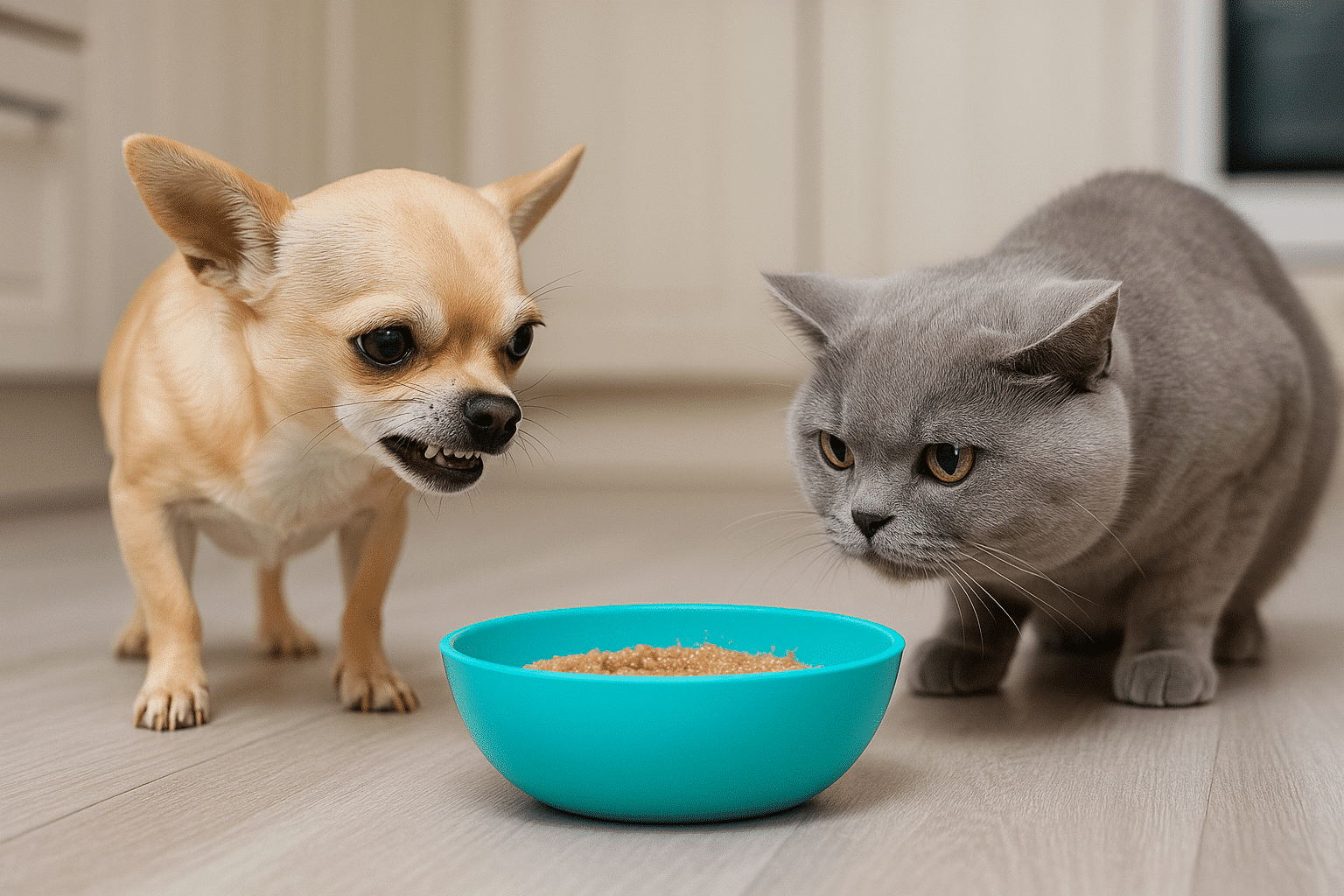
- Guard resources: if you have several pets living together, offer the mats in separate rooms and remove them when finished to prevent conflicts.
- Dogs with a tendency to bite or ingest objects: opt for reinforced or bite-resistant models and always supervise use.
- Anxiety or generalized stress: Licking helps them relax, but it is not a substitute for behavioral treatment; it should be integrated into a veterinary or behavioural plan.
- Endocrine diseases (diabetes, hypothyroidism, Cushing’s): Avoid sweet foods, choose options that are high in fiber and low in calories.
- Seniors or those with reduced mobility: place the mat in a comfortable, non-slip position, avoiding forced postures.
- Puppies or kittens: use under direct supervision, with small amounts of food, and remove when finished to prevent chewing.
Always remember that the licking mat should be seen as an enrichment toy, not a substitute for a food bowl. It should be introduced gradually, safely, and adapted to the needs of each pet to ensure a positive and risk-free experience.
How to introduce the Lick Mat step by step for cats and dogs
Learning how to use the licking mat correctly makes the difference between a simple distraction and a truly therapeutic tool. Its effectiveness depends both on the type of food and the situation it is offered in.
Gradual phasing in and food selection for the Lick Mat
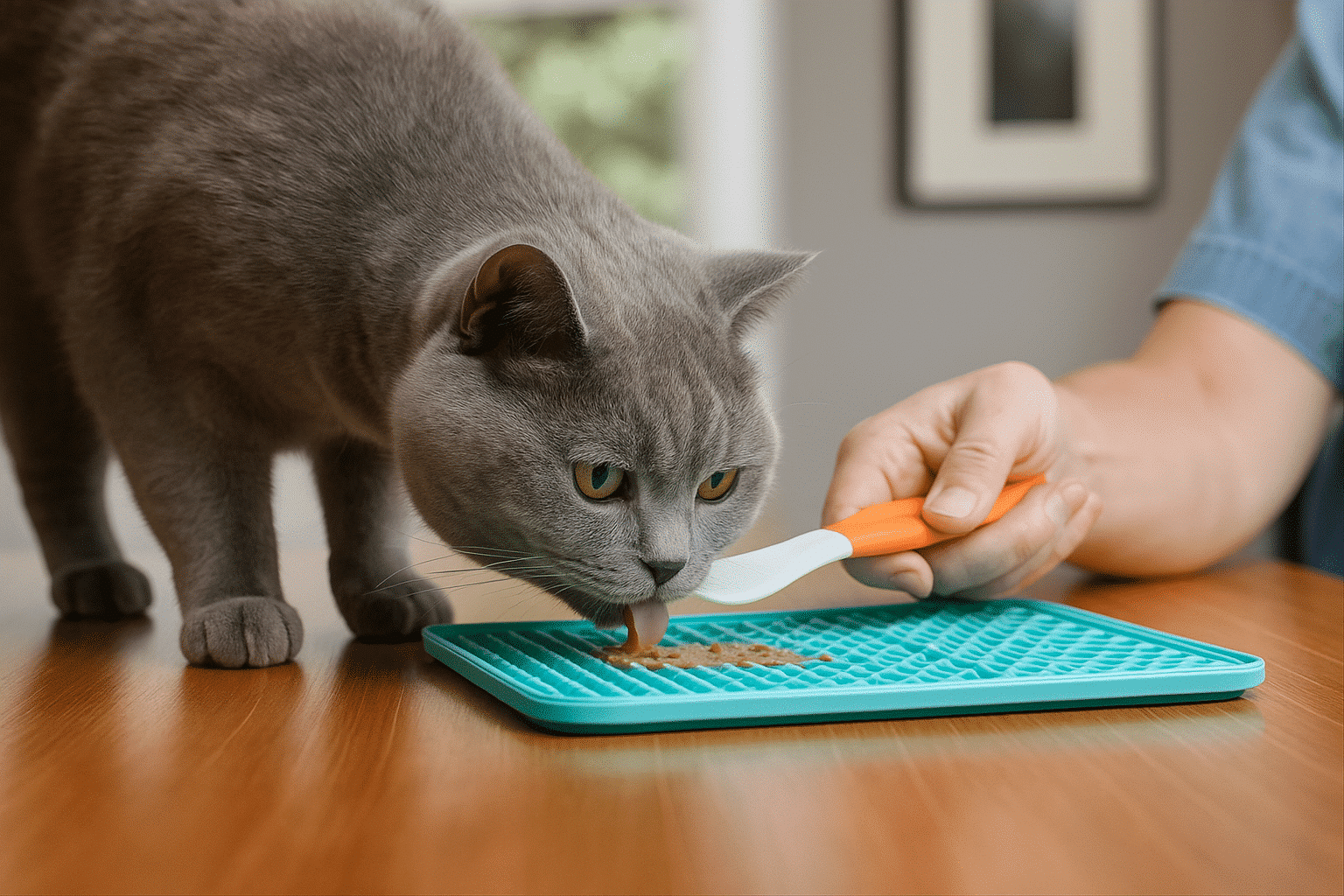
The first encounter with the Lick Mat should be pleasant, predictable, and without pressure. The goal is for the cat or dog to explore it voluntarily and establish a positive association from the start.
- Start with their favorite flavor: use a very appetizing and familiar food, such as their usual pâté or a soft snack that they love. Avoid new or unfamiliar foods in the first few sessions.
- Initial presentation: apply a generous amount of food concentrated in a single spot. The goal is for the pet to obtain the food easily, without having to exert themselves or lick for a long time.
- Place it on a stable surface: non-slip floors or a non-slip mat are ideal. Avoid heights.
- Relaxed environment: Offer the Lick Mat in a quiet setting, with no other pets nearby and no interruptions. The goal is for them to be able to concentrate and enjoy themselves.
- Short sessions: Two to five minutes is enough at first. Remove the Lick Mat before they lose interest in order to always leave them with a positive impression.
- Remove and store: do not leave the mat out once your canine or feline companion has finished. Associating it with specific moments helps maintain interest and prevents them from trying to bite or damage it when there is no food left.
- Avoid leaving food out for hours: the contents can oxidize and dry out, altering their smell, texture, and taste. This change can cause rejection or aversion to the product or food, especially in cats. In addition, dry remains promote bacterial growth and make subsequent cleaning difficult, so it is advisable to remove and wash the mat shortly after use.
- Gradual progression: once the routine is established, increase the difficulty by spreading the food in a more even layer, using denser textures, deeper cavities, or the semi-frozen version to prolong the licking time.
- Make it a habit: once your dog or cat is comfortable with the Lick Mat, offer it in different places and situations so they learn to enjoy it in any environment where they need to relax.
Every cat and dog learns at their own pace. If your pet seems hesitant or ignores the mat at first, don’t rush to remove it or force the situation. Consistency and calmness are key.

When to use the Lick Mat for cats and dogs
The licking mat is an excellent tool for environmental enrichment and slow feeding, but its effectiveness depends on when and how it is used. Knowing when to include it—and when to avoid it—is essential to reap its benefits without causing frustration or discomfort.
- Before bedtime or during moments of rest: licking helps reduce activation and promotes a state of calm before sleep.
- While you are away from home or during periods of inactivity: it keeps your dog or cat occupied and calmly relaxed, preventing demanding behavior or separation anxiety.
- During visits from guests or new situations: it can help redirect attention and associate the presence of unfamiliar people or new situations with a positive experience.
- On rainy days or days with low physical activity: replace part of their physical exercise with mental stimulation, helping to balance their energy and behavior.
- During physical therapy or rehabilitation sessions: it allows them to remain calm and distracted during exercises or stretching.
- While you prepare their main meal: it teaches them to wait calmly and reduces excitement before mealtime.
- In veterinary or grooming procedures: bathing, brushing, nail trimming, or ear cleaning can be much calmer if associated with the use of the licking mat.
In all these cases, licking acts as a natural positive reinforcement, promotes the release of endorphins, and helps create relaxing and controlled experiences.
When not to use or how to customize the licking mat
Using the Lick Mat at the right times can significantly improve your pet’s well-being, reduce stress, and enrich their routine. However, like any management tool, it should be used on an individual basis, adapting the food, frequency, and context to the needs of each canine or feline companion.
- Before or during car trips: if your pet gets carsick easily, it is best to avoid using it, especially with wet food or broth.
- In the presence of other unsupervised pets: if there is a risk of conflict over resources, offer the Lick Mat in separate rooms and remove it when finished.
- As a complete replacement for the food bowl: the lick mat should be considered an add-on for enrichment, not a replacement for the entire meal. Its use should be integrated into a balanced nutritional plan.
- For pets with intense anxiety or frustration around food: some very anxious dogs or cats may eventually bite or damage the base; in these cases, choose reinforced models, short sessions, or alternatives such as Kong toys.
- If there are food allergies or a specific therapeutic diet: avoid making up homemade recipes and only use foods recommended by your veterinarian.
- For pets with digestive problems or a tendency to vomit: offer small amounts and avoid fatty or very cold foods if the Lick Mat has been frozen.
Frequency, dosage, and solutions to common problems with the Lick Mat
Maintaining a proper routine of use and cleaning is essential to ensure that the licking mat remains a safe, hygienic, and effective tool for the well-being of your cat or dog. Below, we explain how to care for it, how often to use it and how to solve any minor issues that may arise on a daily basis.
How to clean and store the Lick Mat
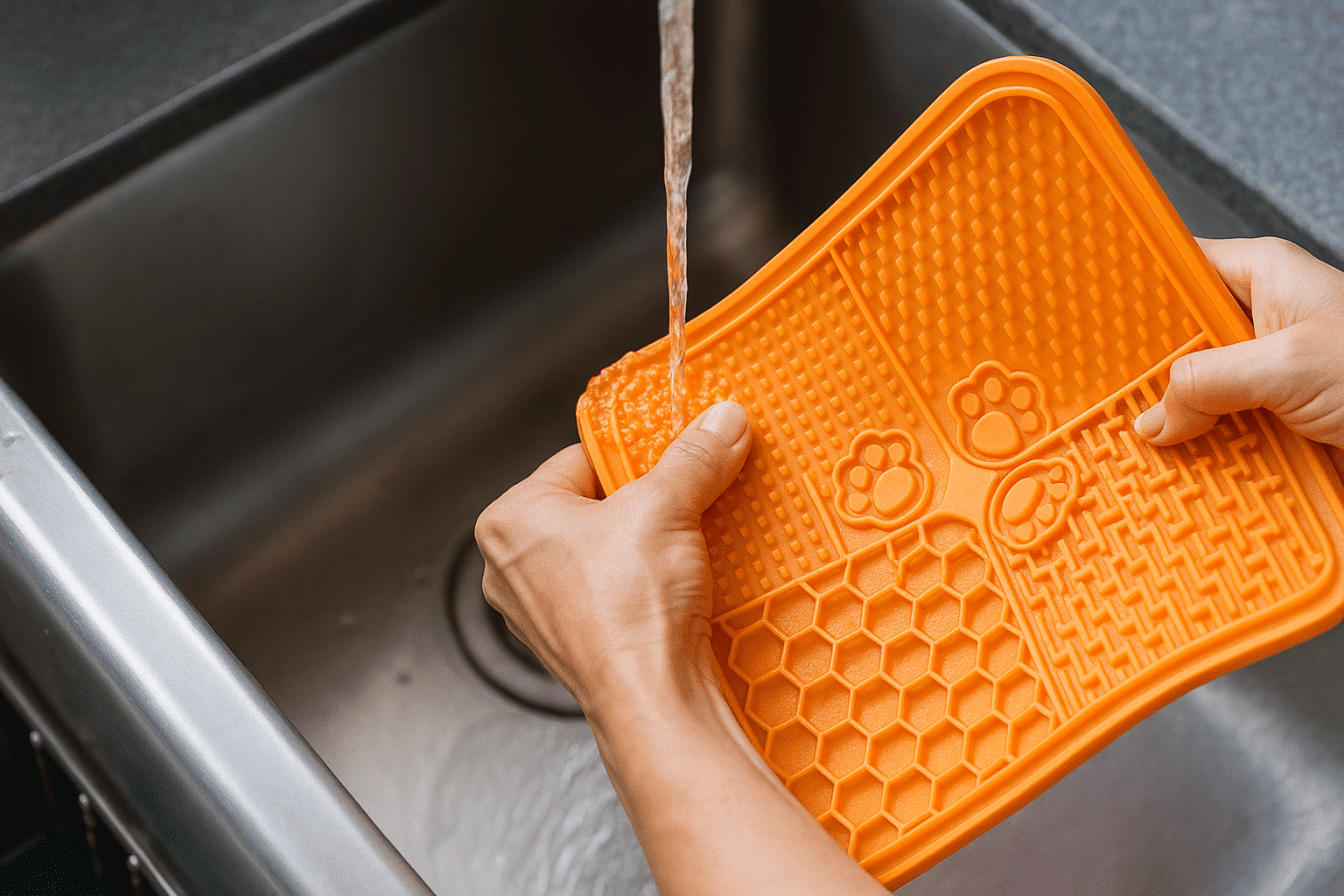
- After each use: wash with warm water and mild soap, using a soft bristle brush to remove food debris from the grooves.
- Dishwasher: only if permitted by the manufacturer; place it on the bottom rack, resting on a plate to prevent warping.
- Mold or odors: if dry residue remains in the grooves, soak the container in warm water and, if the material allows it, add a very diluted vinegar solution; always rinse thoroughly.
- Storage: make sure it is completely dry before storing. You can keep it flat or hang it by the loop if it has one to prevent warping and odors.
Frequency and recommended amounts
- Frequency: you can use it daily, always in short, supervised sessions.
- Duration: between 3 and 10 minutes per session is sufficient for it to fulfill its function without causing frustration.
- Approximate amount: adjust according to species, size, age, activity level, and diet.
- Puppies or kittens: very small portions, soft textures, and always under supervision; remove the mat when they are finished to prevent them from chewing on it.
Common problems and how to solve them
- Dragging or tipping it over: place a tray underneath, use a non-slip base, or choose models with suction cups.
- Chewing the edges when finished: remove the mat in time and offer an appropriate chew toy to redirect their behavior.
- Disinterest: offer a more tempting filling, warm the food slightly, add an aromatic topping, or change the location to pique curiosity.
- Frustration over the depth of the grooves or wells: opt for shallower textures and thinner layers of food.
- Too messy: use a spatula to spread the food more evenly, prepare batches for refrigeration, and clean immediately after each use.
A well-cared-for and regularly used licking mat can last a long time and offer countless behavioral and emotional benefits. Maintaining good hygiene, respecting portions, and adapting its use to the needs of your canine or feline companion is key to ensuring that this tool remains a positive, safe, and enriching experience.
Advantages of the Lick Mat in Fear Free environments and veterinary clinics
Using the licking mat in the veterinary clinic is a Fear Free management and environmental enrichment strategy that can be used in many veterinary areas, from appointments to hospitalization. When introduced properly, it becomes a simple but powerful tool for improving the emotional experience of each patient, transforming potentially stressful situations into tolerable and even pleasant experiences.
- During ear cleaning or nail trimming: this resource helps to keep the patient calm and cooperative during handling.
- Ease physical examination without forced restraint: allows for checking the eyes, ears, mouth, or limbs while the patient remains calm and focused on licking.
- Administration of oral or topical medication: can be used to distract and reduce reticence while applying treatment or administering a pill.
- Placement of an IV or drawing blood: keeps the patient relaxed and stable, reducing sudden movements and avoiding the need for additional restraint.
- Care procedures or topical treatments: useful during wound cleaning, dressing changes, or stitch checks, as it helps to focus attention on a positive experience.
- During the use of diagnostic equipment: improves cooperation when taking blood pressure, measuring temperature, X-rays without sedation, or electrocardiograms.
- Hospitalization or ICU: promotes well-being during the stay, reduces boredom, and can stimulate appetite in convalescent patients or those reluctant to eat.
- Physical therapy or rehabilitation sessions: helps maintain a stable and relaxed posture while the professional performs exercises or therapeutic massages.
- Socialization of puppies or young cats at the clinic: creates positive experiences from the very first visits, reducing fear of future appointments.
- Behavioral assessment or ethology consultation: helps maintain a controlled emotional state, allowing real behaviors to be observed without interference from stress.
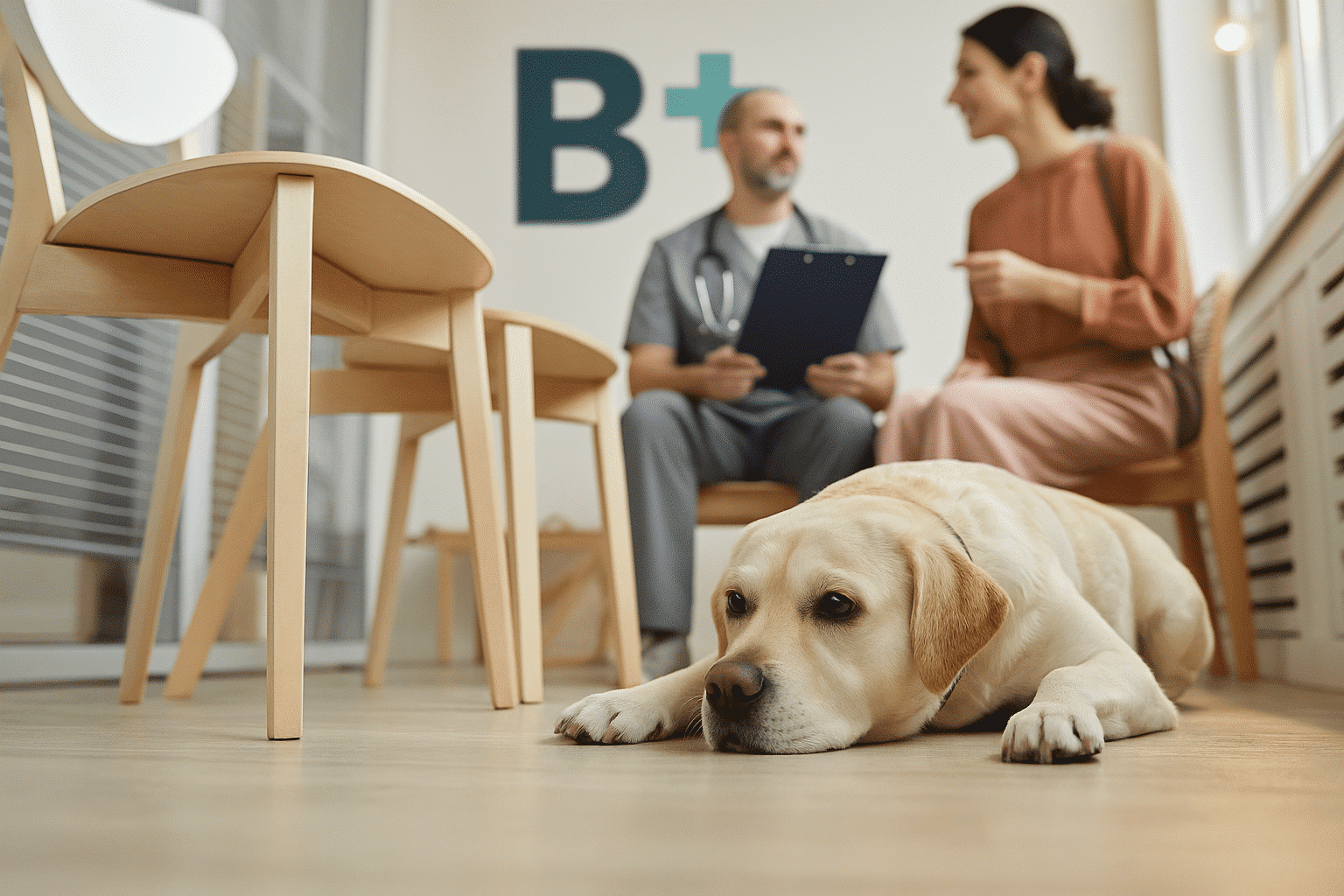
- Fear Free reception and waiting room: this can be offered to dogs and cats that are very nervous upon arrival, helping to reduce initial excitement and ease the transition to the consultation.
In cats: it is particularly useful when combined with synthetic feline pheromones and calm environments. Serving the food slightly warmed enhances the aroma and improves palatability.
Frequently asked questions about the Lick Mat for cats and dogs
Does it replace the food bowl?
No. It is a secondary tool.
How often can I use it?
Daily in short sessions, adjusting calories to the total for the day.
Can I freeze the Lick Mat?
Yes, if the manufacturer indicates that it is “freezer safe.” It is preferable to partially freeze it to prevent your pet from attempting to bite the base.
Microwave or oven?
No, unless explicitly indicated by the manufacturer. Most are not suitable.
What foods should be avoided?
Onions, garlic, grapes/raisins, chocolate, alcohol, xylitol (sweetener), excessive salt, crushed bones, high-fat dairy products, or any toxic ingredients not included in their therapeutic diet.
What if there are several pets in the house?
Feed them in separate rooms and remove their food when they have finished to prevent conflicts.
Balmesvet: veterinary advice and enrichment with Lick Mat
- Individual assessment: age, health status, diet, and goals (demeanor, hydration, weight control, cooperative management).
- Implementation plan: progression of textures with personalized recipes compatible with your nutritional guidelines.
- Fear Free integration: choice of mat model and exposure times.
- Follow-up: calorie adjustments and variety of flavors to avoid boredom and keep you motivated.
Would you like us to design an enrichment plan with Lick Mat tailored to your dog or cat, with safe recipes, a usage schedule, and “Fear Free” guidelines for hygiene and home care?
We look forward to seeing you at Calle Balmes 205, 08006 Barcelona. We are here to help you.
Balmesvet Veterinary Hospital
| Data | Information |
| Address | Carrer Balmes 205, 08006 Barcelona |
| Parking | Balmes 200 (30 min consultas; hasta 1 h urgencias) |
| Phone | 931 173 173 |
| atencioclient@balmesvet.com | |
| Consultations | 8:30–20:00 |
| Emergency/Hospitalization | 24/7 |
Can we help you? Call us or make an appointment. 24/7 emergency services available.

 Barcelona, C/ Balmes nº 205
 931 173 173
 info@balmesvet.com