


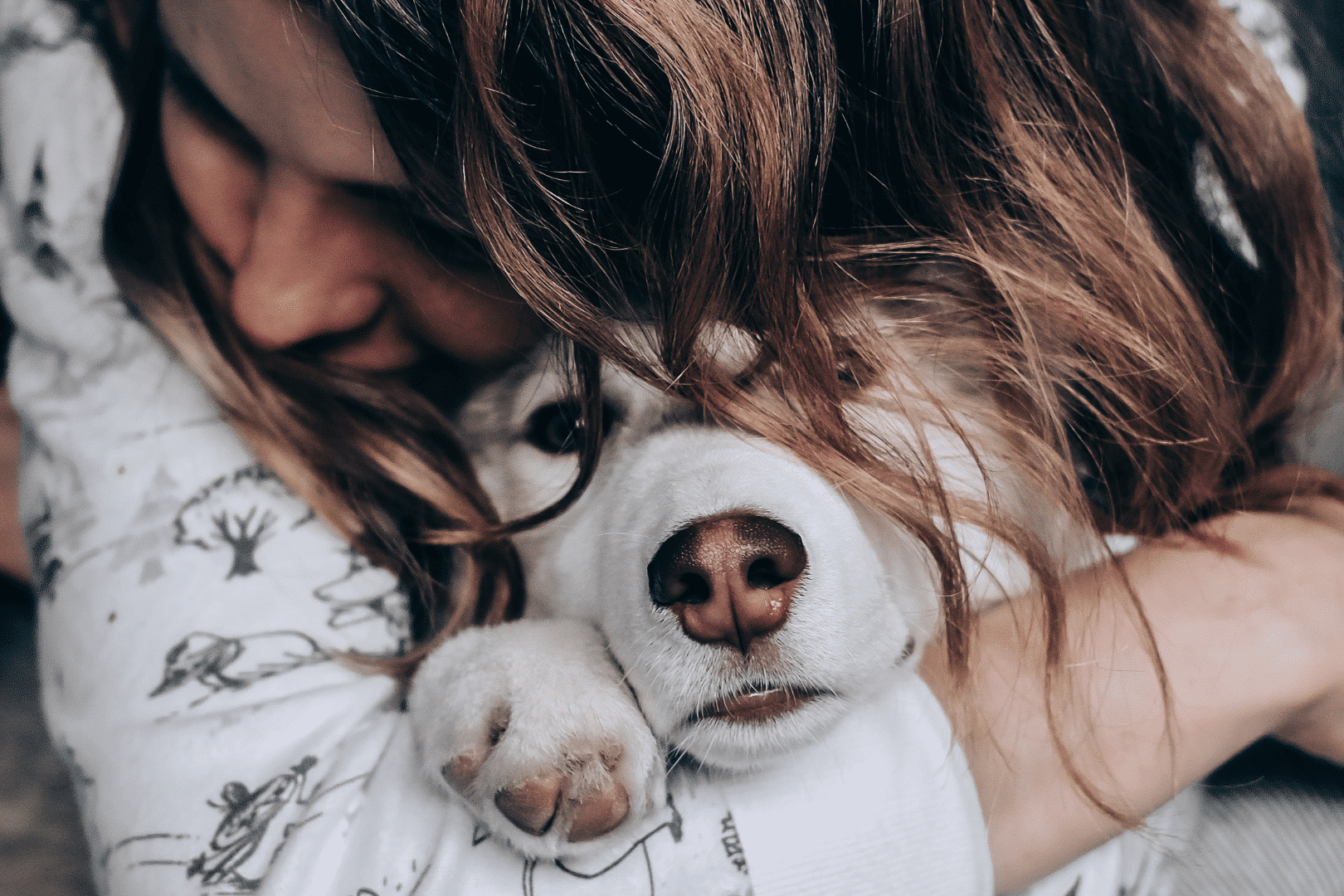
Saying goodbye to a loved one is one of the most difficult moments in life. In Barcelona, a pioneering program is incorporating emotional support dogs into the grieving process at one funeral home to accompany families. In this article, we explain how it works, the benefits of contact with cats and dogs during bereavement, and why this approach provides a more humane perspective on the end of life.
A pioneering initiative in Barcelona: Emotional support dogs in the funeral home
At the Áltima Ronda de Dalt Funeral Home in Barcelona, a pilot program of dog-assisted mourning is being developed in collaboration with the Centre de Teràpies Assistides amb Cans (CTAC). The dogs, always accompanied by specialized professionals, are allowed in common areas and can enter the viewing rooms if the family so desires. This is a free service aimed at humanizing the farewell process and offering caring comfort to those who need it.
According to reports and testimonials, the response has been positive: many people describe the experience as a ”balm for the soul,” and they notice a more serene atmosphere and appreciate the opportunity to naturally approach the dog, pet it, or simply share the space for a few minutes.
How the program works: selection, support, and access:
- Selection and training: the dogs are trained to move calmly, work in emotionally intense environments, and have a keen ability to read human body language.
- Professional support: the technician supervises all interactions and ensures the well-being of both the family and the dog, without forcing any contact or unwanted situations.
- Flexible access: presence in common areas and, if requested by the family, access to the wake room.
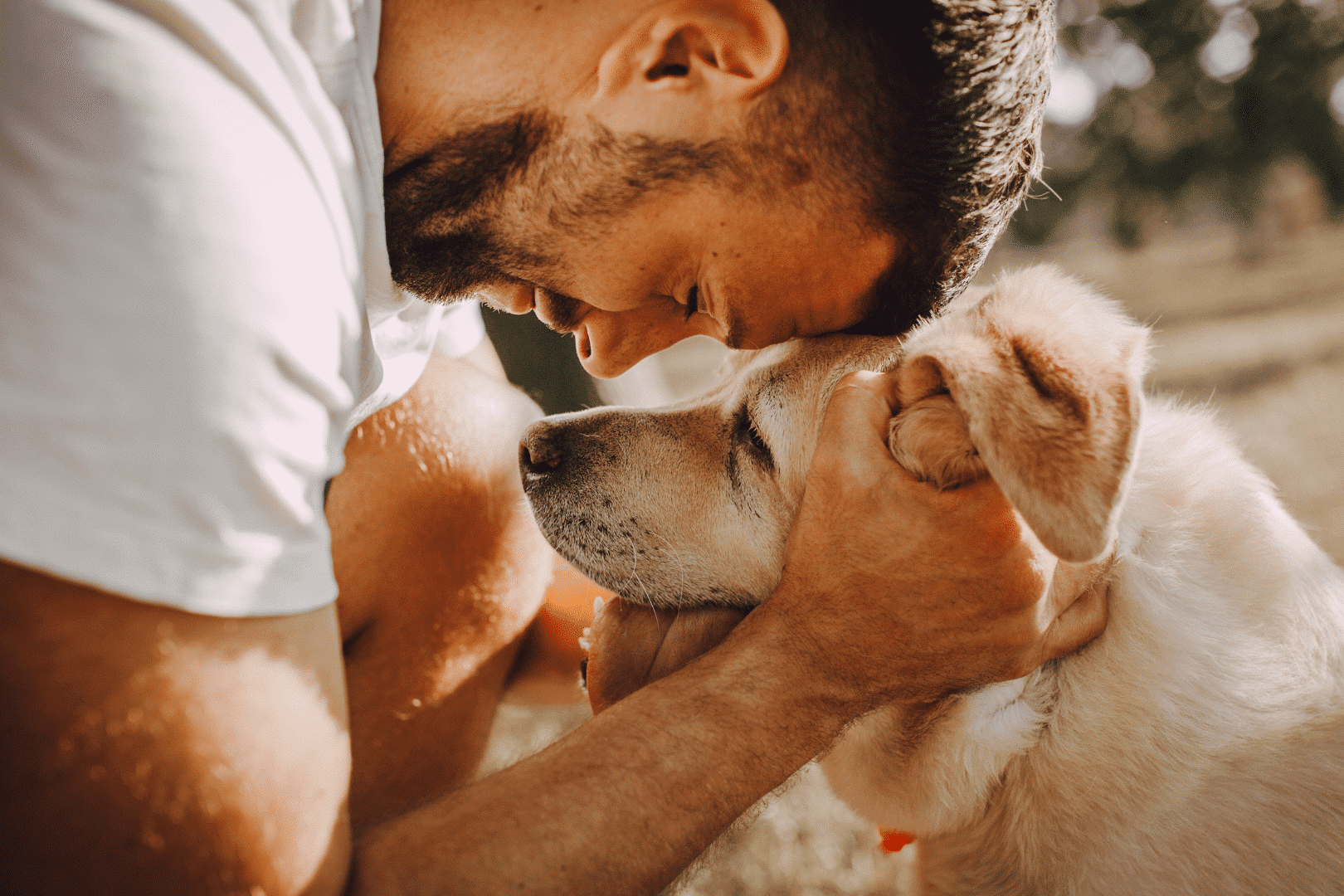
How does animal-assisted therapy (AAT) work?
Animal-Assisted Therapy (AAT) is a set of planned actions in which a qualified professional introduces a specially trained animal to support therapeutic, educational, or wellness objectives. In mental health and care, scientific evidence has grown significantly over the last decade, with systematic reviews and trials pointing to improvements in anxiety, distress, and mood, as well as physiological effects such as reduced blood pressure and heart rate.
Key points of IAA
- They are guided by health or education professionals.
- The animal is an integral part of the interaction, with specific selection and well being criteria.
- They are used in multiple settings: hospitals, nursing homes, schools, and increasingly, hospices and funeral homes.
Benefits of dogs during bereavement: anxiety, mood, and physiological effects
Grief combines emotional, cognitive, and physical components. The literature on animal-assisted therapy, although diverse, provides consistent insights into areas relevant to those experiencing loss:
- Reduction of anxiety and distress: trials in emergency rooms and pediatrics show significant decreases in perceived anxiety after interactions with therapy dogs.
- Mood support: meta-analyses in adult and elderly populations indicate improvements in depressive symptoms with animal-assisted interactions.
- Physiological effects: calm contact with dogs may be associated with lower blood pressure and heart rate, which helps moderate the stress response.
- Connection and presence: the human-animal bond encourages emotional expression without verbal pressure, breaks the feeling of isolation, and offers moments of shared calm, which is especially valuable in end-of-life contexts.
- Benefits for children: studies in pediatric emergency rooms suggest a decrease in fear and anxiety in children and their caregivers after visits with therapy dogs.
Specific evidence on grief is still emerging; much of the data comes from clinical contexts comparable to stress and anxiety. Initiatives in funeral homes, such as the one in Barcelona, are based on these principles to humanize the farewell and offer an additional resource, not a substitute, for psychological or spiritual support.
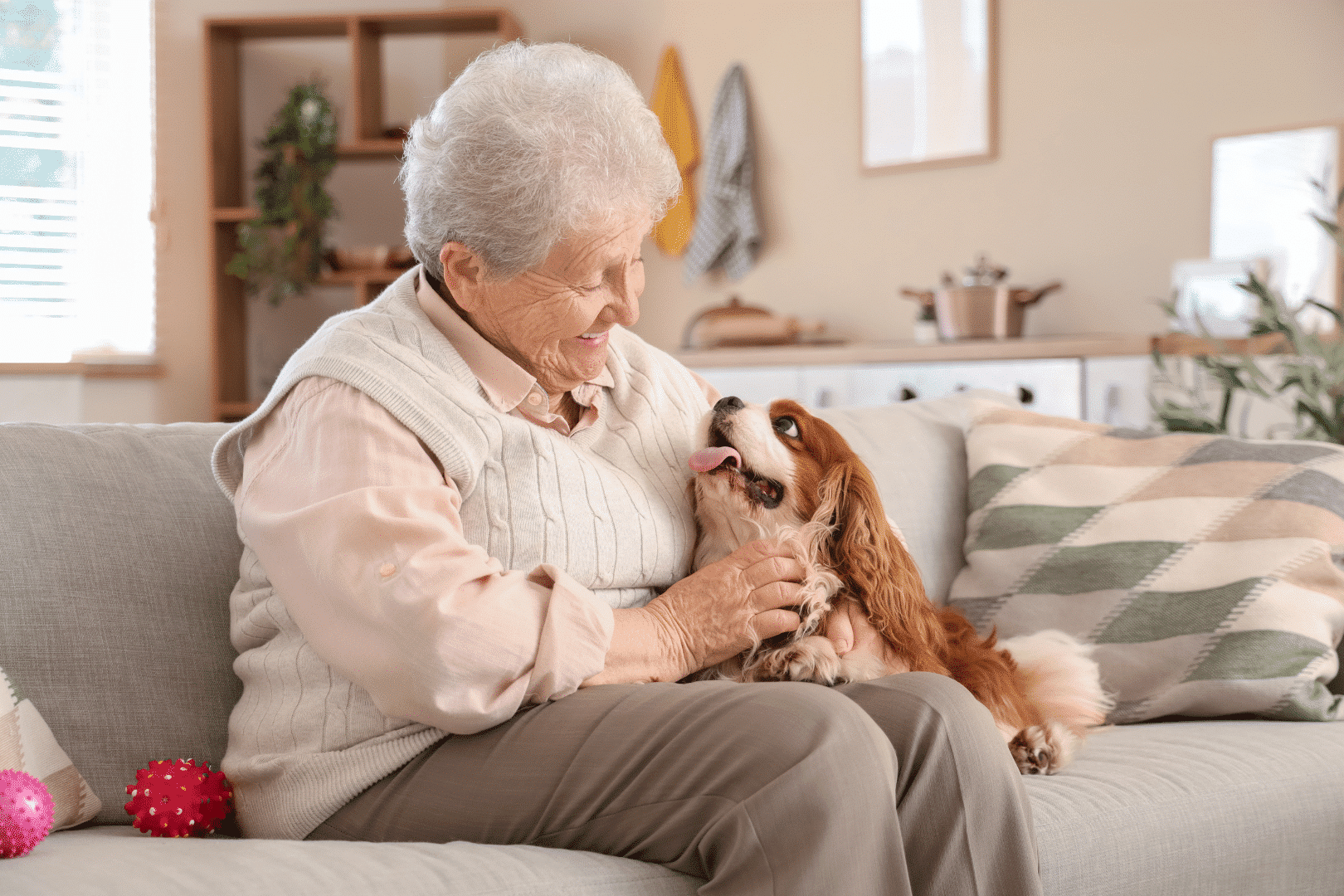
Cats and dogs after loss: routine, contact, and daily companionship
Beyond the funeral home, living with a cat or dog during mourning can provide structure, motivation, and silent companionship:
- Supportive routines: walks, meal times, and small acts of care help maintain healthy habits when emotional energy is low.
- Calming physical contact: petting your canine or feline companion can promote relaxation and a sense of security.
- Nonjudgmental presence: animals provide companionship without demanding explanations, a valuable quality when words fail.
- Social motivation: dogs can facilitate short outings, exposure to natural light, and brief encounters with other people, all of which help protect your mood.
Best practices: animal welfare and respect for families
Any AAT program dealing with grief must adhere to two essential principles:
- Animal welfare: appropriate selection, short sessions, rest areas, stress signals tended to, up-to-date hygiene and health.
- Consent and timing: each family decides whether or not they want interaction. The professional adjusts the timing, duration, and proximity according to the situation.
Towards more humane farewell rituals
The project in Barcelona is part of an international trend: more welcoming funeral spaces that focus on emotional care. Dogs do not “solve” grief, but they can ease it and accompany it with respect. If the pilot project continues to perform well, it would not be surprising to see similar initiatives spread to other centers.
Frequently asked questions about animal-assisted therapy for grief
What is animal-assisted therapy?
It is a structured approach in which a qualified professional incorporates a trained animal to support health, education, or well-being goals. In times of grief, it provides calm, companionship, and a safe space.
How do dogs help in a funeral home?
They offer silent comfort, reduce tension, and make it easier to express emotions without words. Interaction is free and always supervised by specialized staff.
Is it safe for humans as well as the animals?
Yes, when protocols are followed: selection and training, hygiene, short sessions, supervision, and family consent. The dog’s well-being is non-negotiable.
Is it a free service in Barcelona?
Yes, the pilot program at the Áltima Ronda de Dalt Funeral Home is offered free of charge to families who request it.
Is there evidence that they reduce anxiety or stress?
There are trials and reviews that show a decrease in anxiety and physiological stress levels after interactions with therapy dogs, which is a complementary support to psychological counseling.
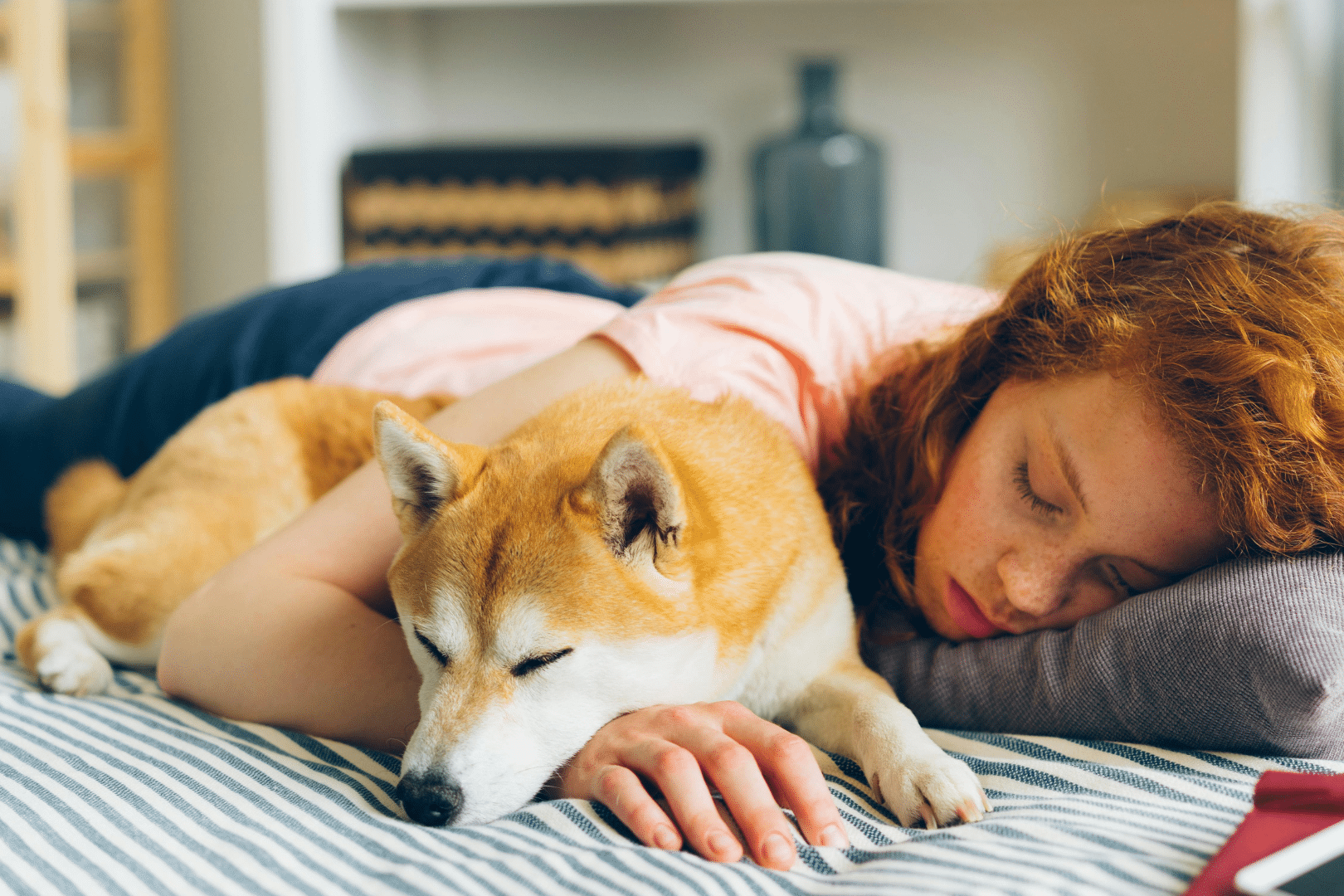
How we can help you at Balmesvet
At Balmesvet, we believe that your dog or cat’s health is also emotional. We work with Fear Free handling and have separate areas for dogs and cats, because a calm visit facilitates accurate diagnoses, better quality treatments, and a better recovery. If you are going through a grieving process and want guidelines on how to care for your canine or feline companion’s well-being during this period, we are here to support you with information and professional sensitivity.
Find us at Calle Balmes 205, 08006 Barcelona. We are here to help you: emergencies and ICU 24/7.
Balmesvet Veterinary Hospital
| Data | Information |
| Address | Carrer Balmes 205, 08006 Barcelona |
| Parking | Balmes 200 (30 min visits; emergencies up to 1h) |
| Telephone | 931 173 173 |
| atencioclient@balmesvet.com | |
| Appointments | 8:30–20:00 |
| Emergency/Hospitalization | 24/7 |
Need help? Call us or make an appointment. 24/7 emergency services available.


 Barcelona, C/ Balmes nº 205
 931 173 173
 info@balmesvet.com