



Winter in Barcelona doesn’t usually bring heavy snowfall, but it does bring cold days, humidity, sudden changes in temperature, and fewer hours of daylight. All of this can affect the well-being of your cat or dog, especially if they are older, have a chronic illness, or are more sensitive to the cold than usual. In this first part of our winter care guide for cats and dogs, we help you understand how this season affects them and what you can do at home to protect their physical health.
How winter affects our pets
Winter does not affect all pets equally. The cold, humidity, and sudden changes in temperature can affect the comfort and health of dogs and cats, especially those who are more sensitive or have pre-existing conditions. Recognizing how each animal responds to this season is essential to preventing discomfort, avoiding risks, and adjusting their care accordingly. From identifying the telltale signs of cold to understanding what factors increase their vulnerability, this section will help you assess whether your companion needs extra protection during the cold months.
Signs of cold in cats and dogs
Some common signs are:
- Shaking or stiffness.
- More sluggish movements when getting up.
- Seeking out warm or higher areas.
- Refusal to walk or go outside.
- Paler mucous membranes.
- Excessive sleepiness or listlessness.
- Crouched posture or curling up into a ball.
- Ears and extremities are cold to the touch.
- Shallow or rapid breathing due to discomfort.
- Less interactivity or a preference for rest.
- Repeated licking of limbs due to discomfort.
- Visible muscle tension in the neck, back, or legs.
- Walking with stiff legs or lifting them off the ground to avoid the cold.
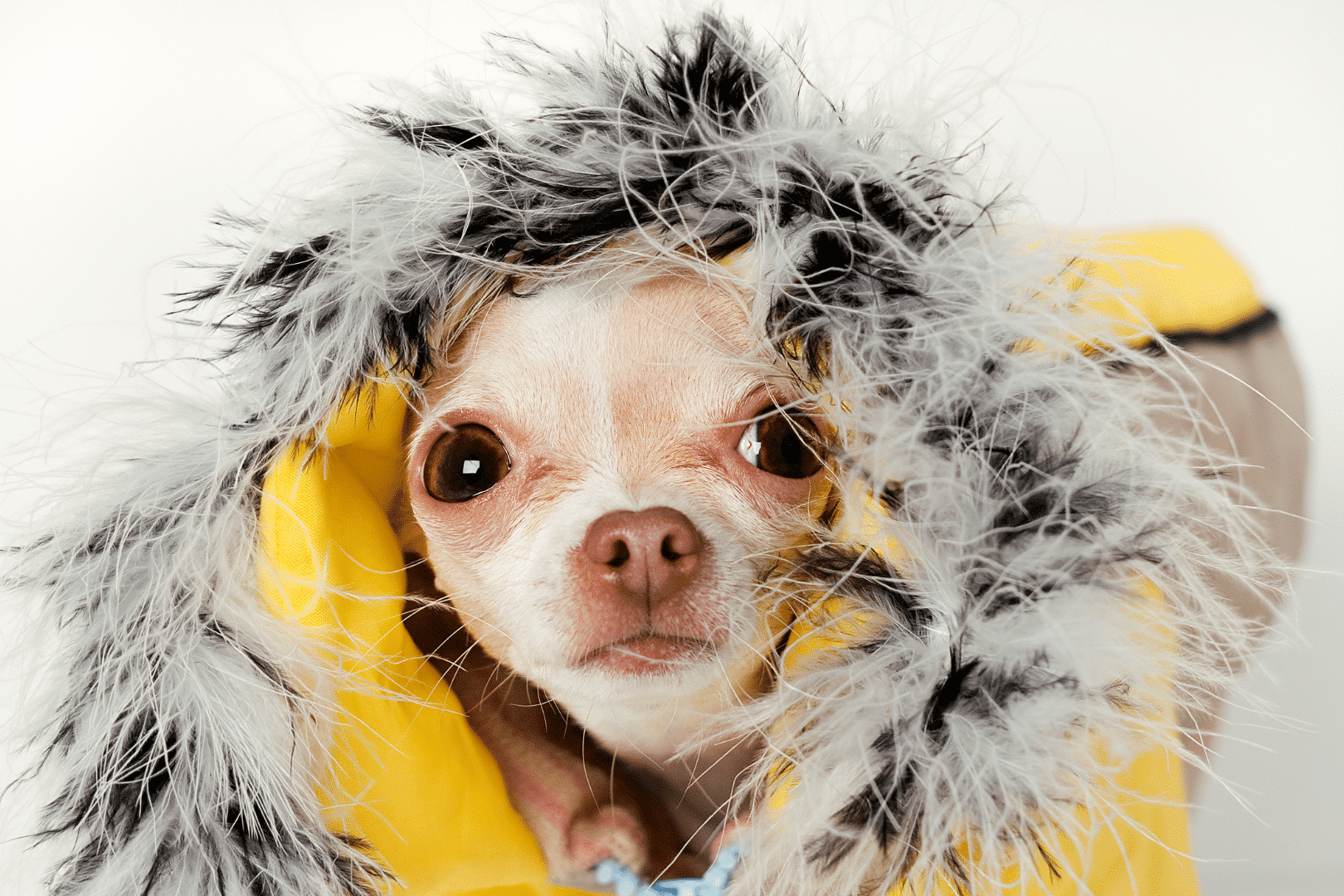
Factors influencing sensitivity to cold
Cold tolerance varies greatly among individual animals. Some pets enjoy cool temperatures, while others need more protection. Factors that determine this sensitivity include:
- Age: puppies and older pets have more difficulty regulating their body temperature.
- Type of coat: dogs and cats with short, fine hair or no undercoat lose heat quickly.
- Size and body condition: small, thin pets or those with little muscle mass get cold faster.
- Overall health: Heart, respiratory, kidney, endocrine, or joint diseases, among others, increase the risk of cold-related problems.
- Physical build: Short-nosed breeds may have more difficulty adapting to temperature changes.
- Lifestyle: Indoor cats and very sedentary dogs tend to be more sensitive to low temperatures.
Winter health in cats and dogs: risks, symptoms, and when to seek veterinary care
Common problems on cold days
Cold and humidity can cause:
- Hypothermia in sensitive pets.
- Chills with lethargy, coughing, or discomfort.
- Respiratory discomfort, especially in short-nosed breeds.
- Injuries or cracks in paw pads.
Although it is not common in Barcelona, mild cases of frostbite may occur in areas with high humidity.
Diseases that worsen in cold weather
Winter can exacerbate:
- Osteoarthritis and morning stiffness.
- Heart and respiratory diseases.
- Chronic kidney disease.
- Endocrine problems such as hypothyroidism or diabetes.
Signs such as limping, inability to exercise, coughing, listlessness, or loss of appetite are reasons to seek medical attention.
Why a veterinary checkup is a good idea in the winter time
These checkups help to:
- Adjust medication in patients with joint pain.
- Monitor weight and physical condition.
- Detect respiratory and cardiac problems before they progress.
- Monitor test results in elderly patients.
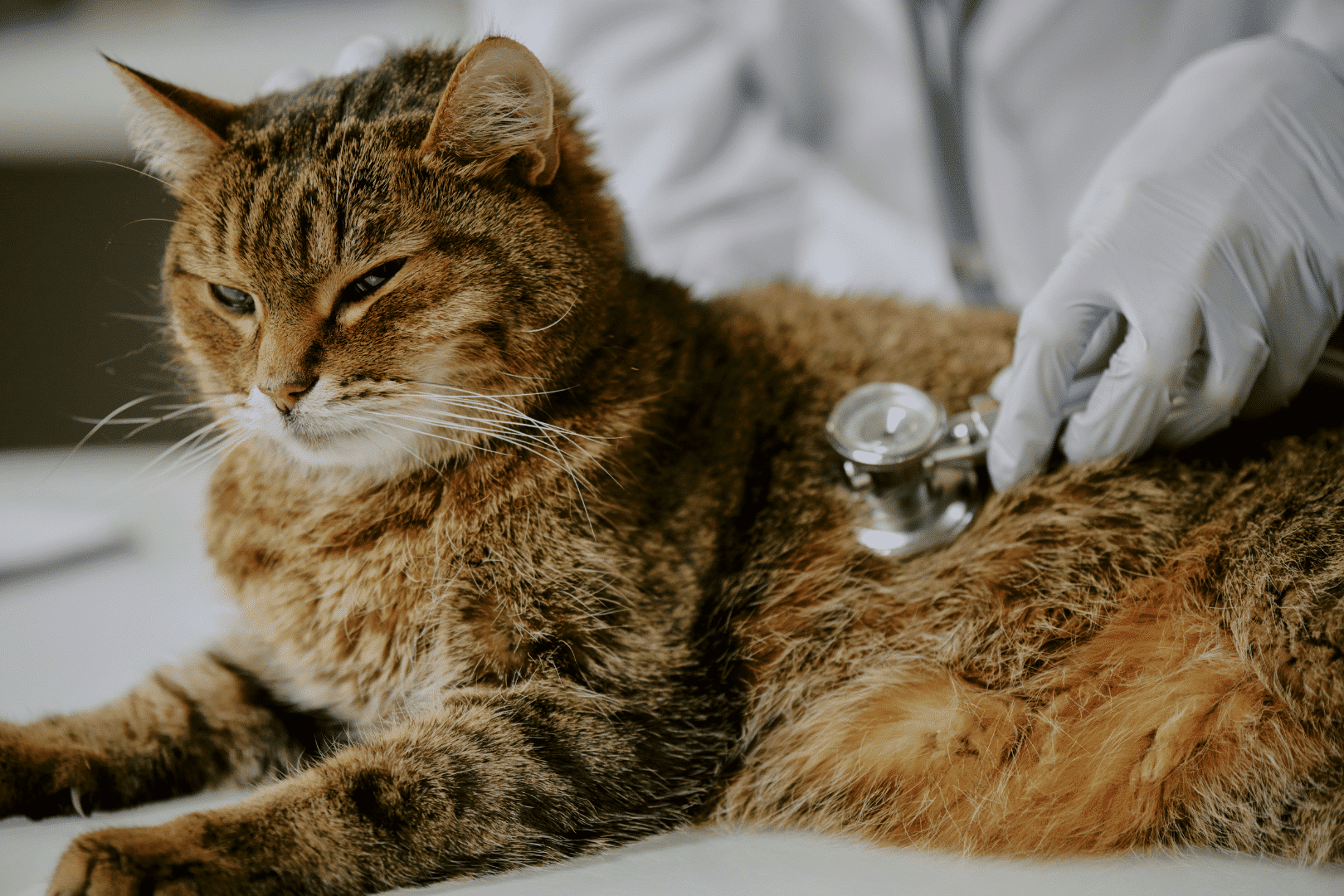
Winter nutrition: making adjustments, staying hydrated, and managing weight
Whether or not to increase their dietary intake
The energy requirements of a cat or dog in the winter depend primarily on their levels of activity and the temperature of their environment, not on the cold itself. Veterinary nutrition literature indicates:
- Pets that live indoors maintain a stable temperature and, in general, do not need more calories. In fact, reduced activity in winter can lead to weight gain if their food intake is not controlled.
- Dogs that are very active or spend part of their time outdoors may require a more energy-rich diet. This is the case for sporting dogs, mountain dogs, or dogs that exercise for long periods in cold weather, since calorie expenditure increases when cats and dogs need to maintain their body temperature in cold environments.
- Any change in diet or increase in food intake should only be done under veterinary supervision, adjusting the caloric intake to avoid diarrhea or unwanted weight gain.
Common changes in indoor cats during winter
Many indoor cats experience seasonal changes:
- They sleep more due to fewer hours of daylight.
- They decrease their physical activity, which reduces their energy expenditure.
- They tend to gain weight, especially if they have unrestricted access to food.
- Reduced indoor exercise can also lead to anxiety or frustration, leading to nervous eating in order to calm themselves.
All of this makes winter the ideal time to review your pet’s diet, encourage play, and use interactive feeders that moderate food intake.
Nutritional recommendations during this period
- Omega-3 fatty acids (EPA and DHA): useful in pets with osteoarthritis thanks to their anti-inflammatory effect.
- Strict weight control in older pets: excess body fat is associated with more joint pain, cold intolerance, and an increased risk of metabolic disease.
- Cartilage protectors: glucosamine, chondroitin, MSM, or hydrolyzed collagen can help, especially in osteoarthritis. The evidence is variable, but is supported by clinical guidelines for the management of chronic pain in dogs and cats.
- Smaller and more meals: Dividing food into several meals can help stabilize energy and improve fullness in less active pets.
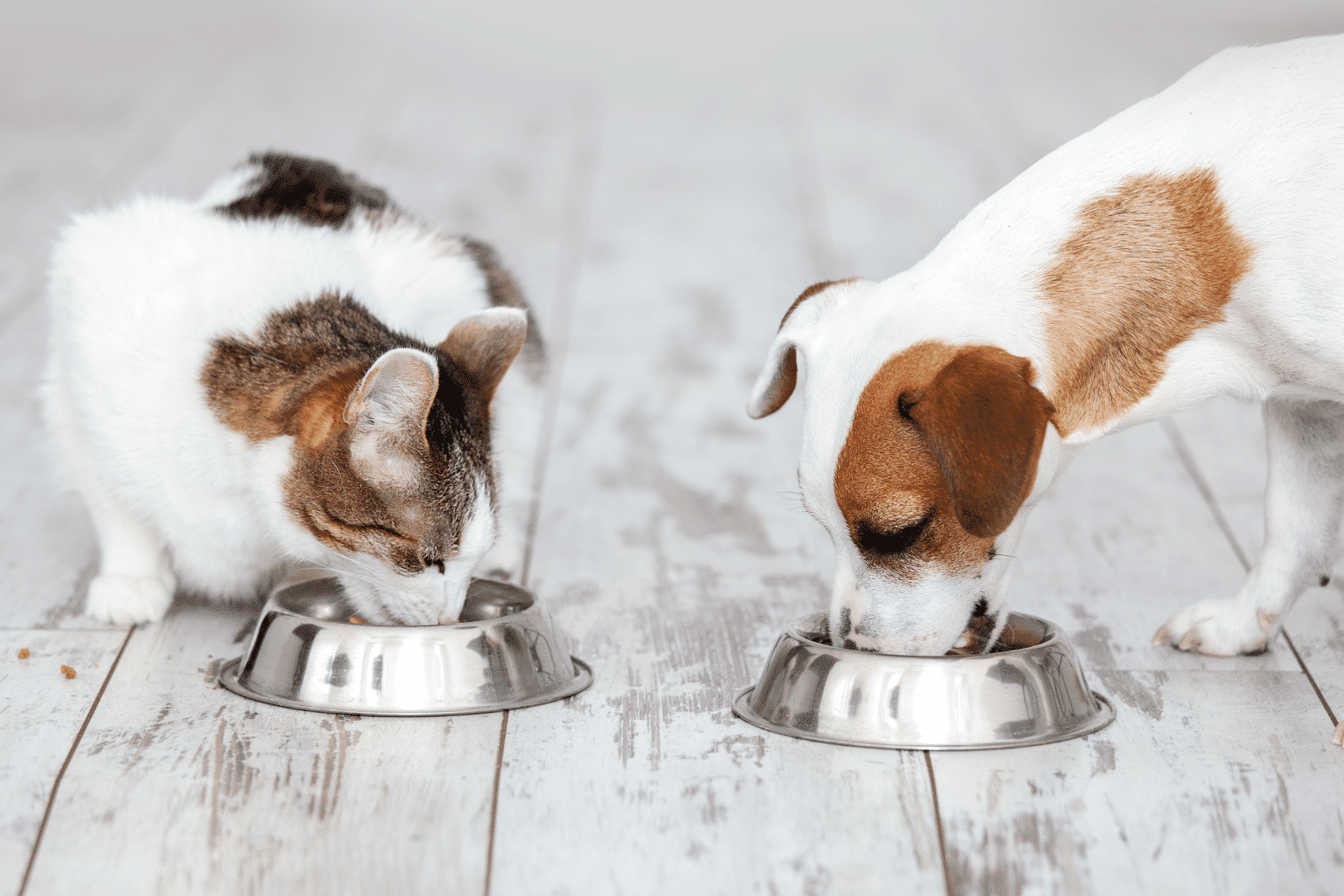
How to ensure proper hydration on cold days
Hydration is key all year round. In winter, humidity levels tend to be lower due to indoor heating, which increases the risk of mild dehydration, especially in cats.
Recommendations:
- Change their water several times a day to keep it fresh and inviting.
- Avoid very cold water, since some dogs and cats refuse to drink if the water is too cold.
- Use cat fountains: these have been shown to increase water intake.
- Add moisture to the diet: alternate wet food or add warm water to the food. This improves palatability and helps prevent urinary problems, especially in cats.
- Have multiple water sources, especially in multi-cat households.
Nutrition and joints in pets with osteoarthritis
Winter is especially difficult for cats and dogs with joint pain.
- Good physical condition is the most important factor in reducing osteoarthritis pain. Losing just 6-8% of body weight can significantly improve mobility.
- EPA and DHA (long-chain omega-3 fatty acids) have a proven anti-inflammatory effect and help slow down cartilage degradation.
- Glucosamine and chondroitin can help maintain cartilage elasticity and reduce joint inflammation.
- Specific diets for joints: some include hydrolyzed collagen, turmeric, fatty acids, and antioxidants that have been shown to improve mobility in controlled studies.
- Regular veterinary check-ups to adjust supplementation, pain medication, or physical therapy according to the patient’s progress.
Hygiene and coat care for dogs in winter
During winter, dogs’ skin and coats can be affected by cold, humidity, wind, and temperature changes between heated interiors and cold exteriors. Proper care helps maintain a healthy skin barrier, reduces irritation, and improves the coat’s ability to protect them against the cold.
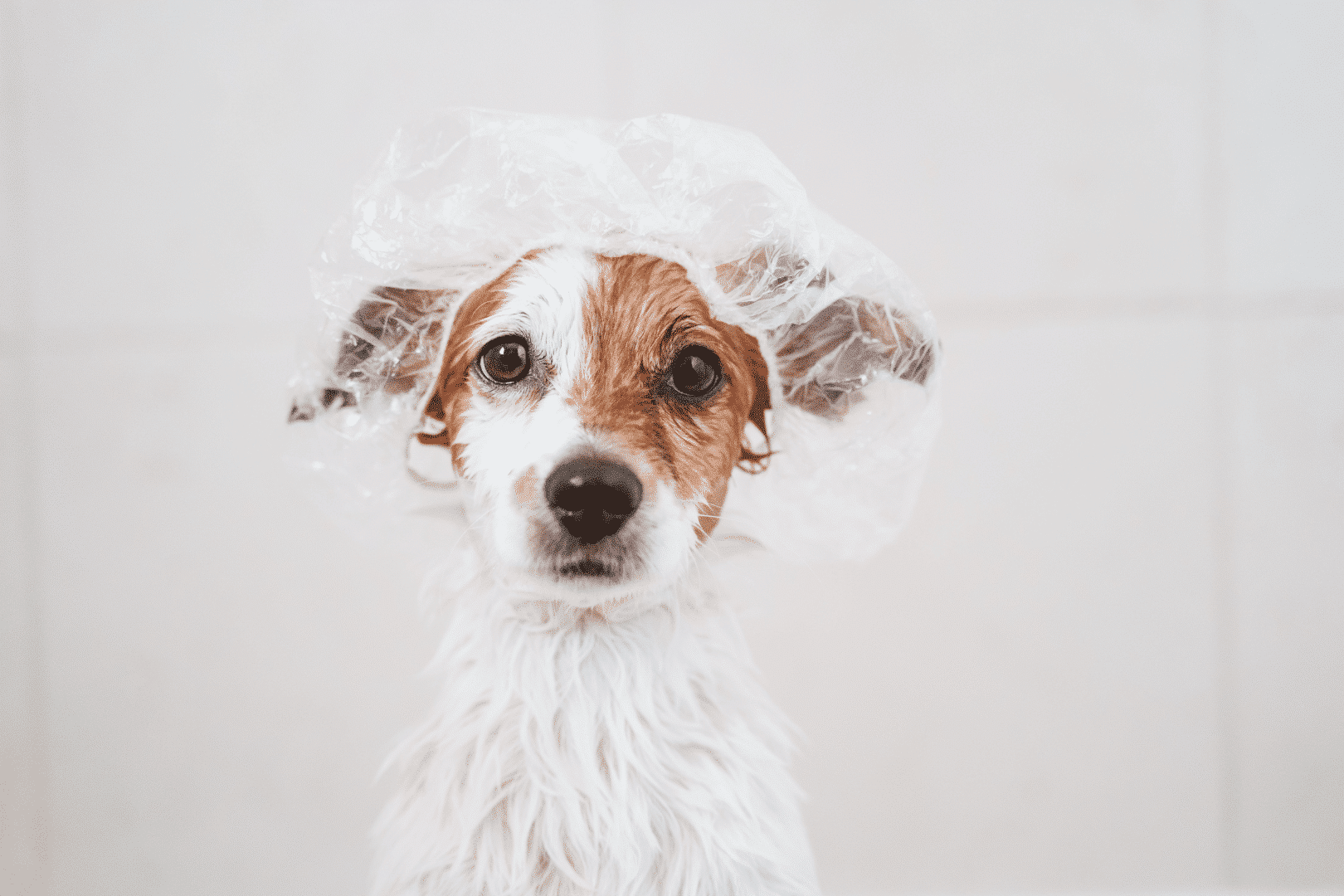
Safe bathing in cold months
Bathing in winter is perfectly fine as long as certain precautions are taken, especially since the skin is more prone to dryness due to indoor heating and lower humidity.
Recommendations:
- Reduce how often you bathe them unless it’s really necessary.
- Use warm water to avoid sudden temperature changes that can make them catch a chill.
- Dry them completely before going outside, using a towel and, if needed, a hair dryer on a low setting. Drying them properly prevents colds and skin problems caused by moisture.
- Use products that are suitable for the skin, preferably dermatological shampoos with a pH adapted to dogs or cats. Avoid heavily perfumed shampoos or human products, which can irritate the skin.
Dog skin has a higher pH than human skin and a thinner lipid layer. Studies in Veterinary Dermatology show that the choice of shampoo and bathing frequency directly influence barrier function, hydration, and skin microbiota.
Brushing: the key to maintaining heat insulation
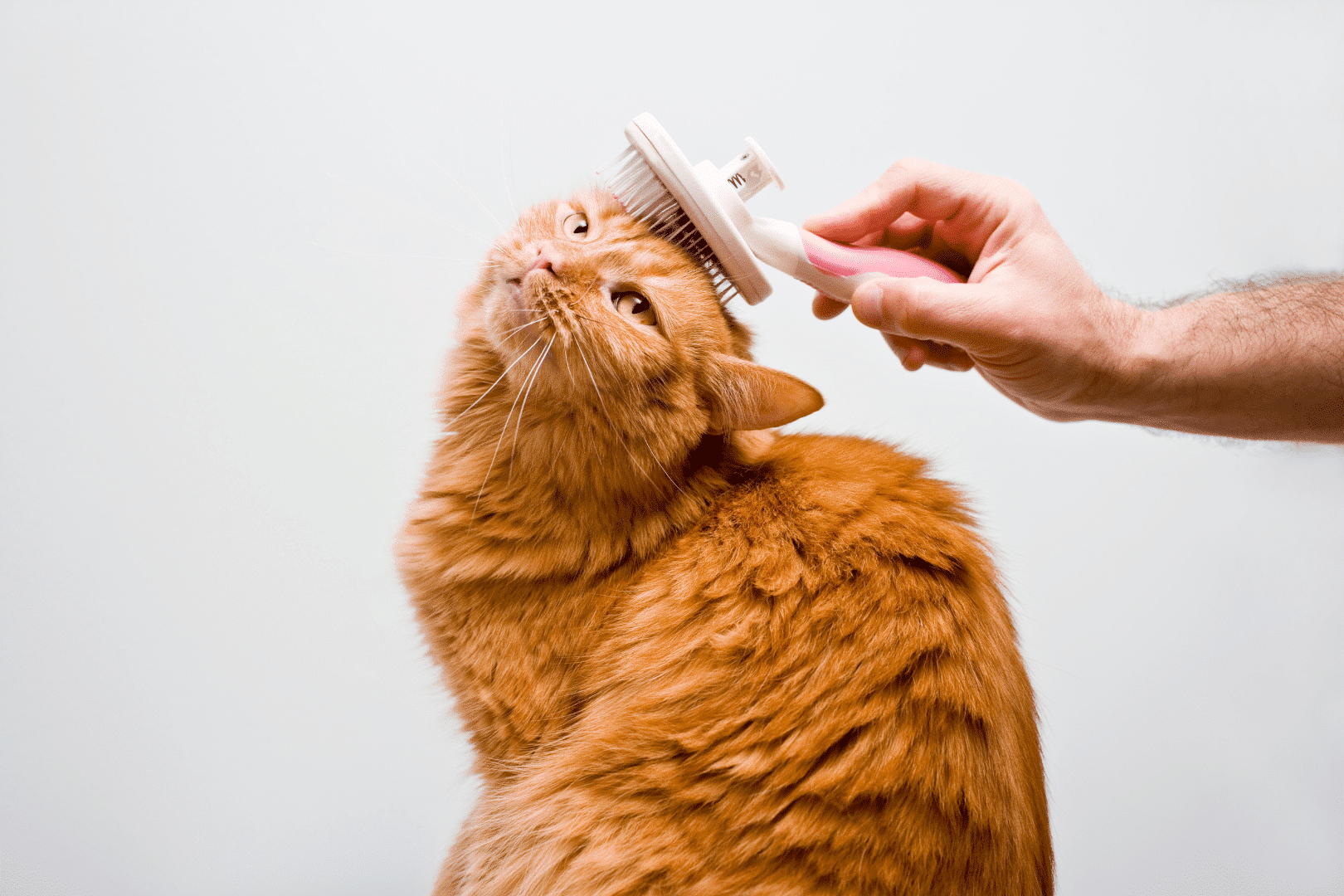
Brushing is not just a matter of aesthetics. It’s a key tool for preserving the natural insulation of the coat, improving skin health, and reducing common winter problems.
Regular brushing:
- Maintains the insulating function of the coat by removing dead hair and allowing air to be trapped between the layers.
- Prevents knots that reduce protection and promote moisture accumulation, which can cause dermatitis or bad odor.
- Helps control skin health by detecting irritations, bald spots, dandruff, or parasites early on.
- Promotes microcirculation by stimulating the skin, according to published coat management studies.
Double-coated dogs rely on the air trapped between the outer coat and the undercoat to maintain their temperature. When there are knots or moisture, this function is significantly reduced.
Protecting their paw pads in winter
The pads are the primary area of contact with cold, salt on sidewalks, ice, or abrasive materials. Caring for them prevents painful injuries and mobility issues.
At this time of year, the following may appear:
- Cracks in the skin.
- Irritation caused by salt, ice, or moisture.
- Significant dryness on cold and windy days.
Recommendations:
- Trim the hair between the toes to prevent clumps of ice from forming or excess moisture from accumulating.
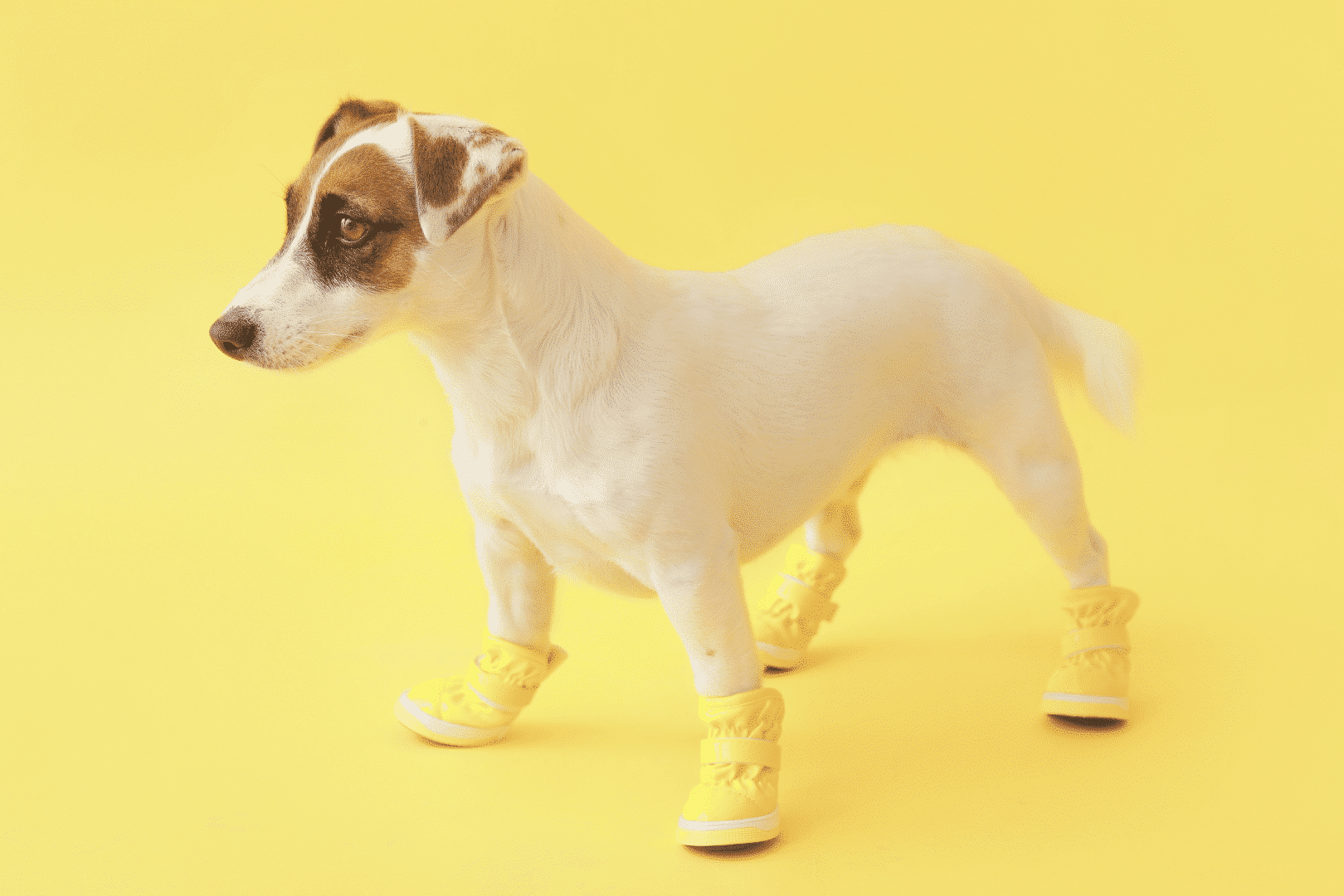
- Use protective wax or booties when necessary, especially on dogs with short coats or on routes where salt is used.
- Wash and dry the paws thoroughly after walks to remove any salt residue and irritants.
Frequent contact with salt or ice alters the skin’s outer layer and causes microcracks, as described in dermatological literature and clinical guidelines. Prevention using protective waxes or booties reduces the risk of contact dermatitis.
Cleaning up after walks
Moisture and mud can cause irritation if not properly removed, especially in areas where the hair is finer or in the folds of the skin.
It is recommended to dry:
- Paws.
- Belly.
- Perianal area.
- Spaces between the toes.
This helps prevent moisture dermatitis, yeast proliferation (Malassezia), and unpleasant odors.
Hygiene and coat care for cats with outdoor access
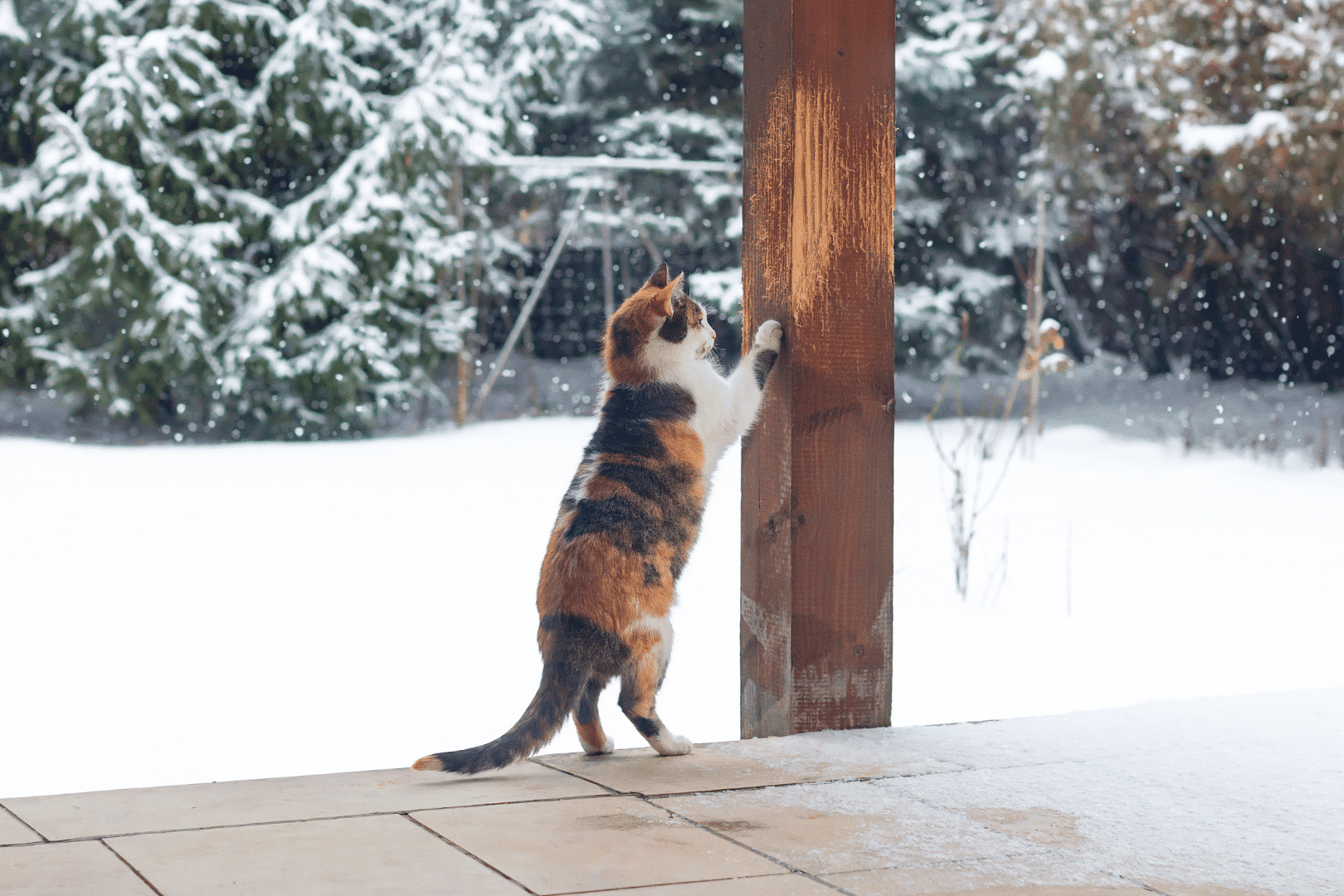
Cats that go outdoors are more susceptible to moisture, rain, vegetation, sudden temperature changes, and city pollution. These factors can affect their skin and coat, increasing the risk of irritation, dermatitis, and minor injuries. Checking their condition regularly is a simple and effective way to detect problems early and keep them healthy during winter.
What to look for in cats with outdoor access
Underbelly: the part most exposed to moisture and dirt
The underbelly (abdomen, groin, and lower chest) is the first area to come into contact with cold, wet, or dirty surfaces when cats crouch down, hide under cars, or move through foliage. Retained moisture and dirt can disrupt the skin barrier.
Check:
- Moisture or traces of water.
- Matted or dirty hair.
- Redness or irritation.
- Small wounds caused by friction with plants and vegetation.
The tail: build-up of sebum, parasites, and minor injuries
The tail, especially its base, is an area that is highly exposed to the environment. It can accumulate dirt or sebum and is a common area for fleas.
Look for:
- Excess sebum at the base of the tail (greasy cat tail).
- Scratches or minor wounds.
- Black spots (flea feces).
- Damp or matted fur.
Feet: risk of cracked skin, mud, and irritants
The paw pads of cats that go outdoors are exposed to cold surfaces, rough terrain, mud, small stones, thorns, and salt on sidewalks. In addition, cats have thin, sensitive skin between their toes.
Check for:
- Cracks or dryness on paw pads.
- Mud or dirt between toes.
- Moisture trapped after rain or dew.
- Spikes, thorns, or small objects embedded in the paw.
- Mild limping or sensitivity to touch.
Overall condition of the cat’s coat: a key indicator of health
A cat’s coat acts as a thermal barrier and is an important indicator of its health. A dirty, damp, or matted coat loses its insulating ability and increases heat loss.
Check:
- Coat shine and texture.
- Dandruff or flaking.
- Knots or areas hardened by mud.
- Patchy hair loss.
- Wet coat after rain or walking through dense vegetation.
Changes in the coat can be the first signs of skin disease, stress, or internal health problems. In addition, studies on feline thermoregulation indicate that a wet coat doubles the loss of body heat.
When to seek help and how Balmesvet can support you
In this first part, we’ve seen how cold weather, diet, and skin condition affect the health of your cat or dog during the winter. Detecting changes in their behavior early on, keeping an eye on their hydration, adjusting their food intake, and caring for their skin and coat are essential steps to maintaining their well-being around this time of year.
If you have concerns about your pet’s weight, notice joint discomfort, changes in their coat, or any other signs that worry you, at Balmesvet we offer internal medicine, dermatology, traumatology, and advanced diagnostics to accurately assess your pet’s health. Our team always works with a Fear Free and Cat Friendly approach to make check-ups as relaxed and respectful as possible.
In the second part of this winter care guide, we will focus on parasite prevention, vaccinations, emotional wellbeing, enrichment, and safety both at home and outdoors.
If you want to check your cat or dog’s health before the colder months arrive, you can make an appointment at Balmesvet whenever you need to.
We look forward to seeing you at Calle Balmes 205, 08006 in Barcelona. We are here to help you: emergencies and ICU 24/7.
Balmesvet Veterinary Hospital
| Information | |
| Address | Carrer Balmes 205, 08006 Barcelona |
| Parking | Balmes 200 (30 min consultas; hasta 1 h urgencias) |
| Phone | 931 173 173 |
| atencioclient@balmesvet.com | |
| Consultations | 8:30–20:00 |
| Emergency/Hospitalization | 24/7 |
Can we help you? Call us or make an appointment. 24/7 emergency services available.


 Barcelona, C/ Balmes nº 205
 931 173 173
 info@balmesvet.com