


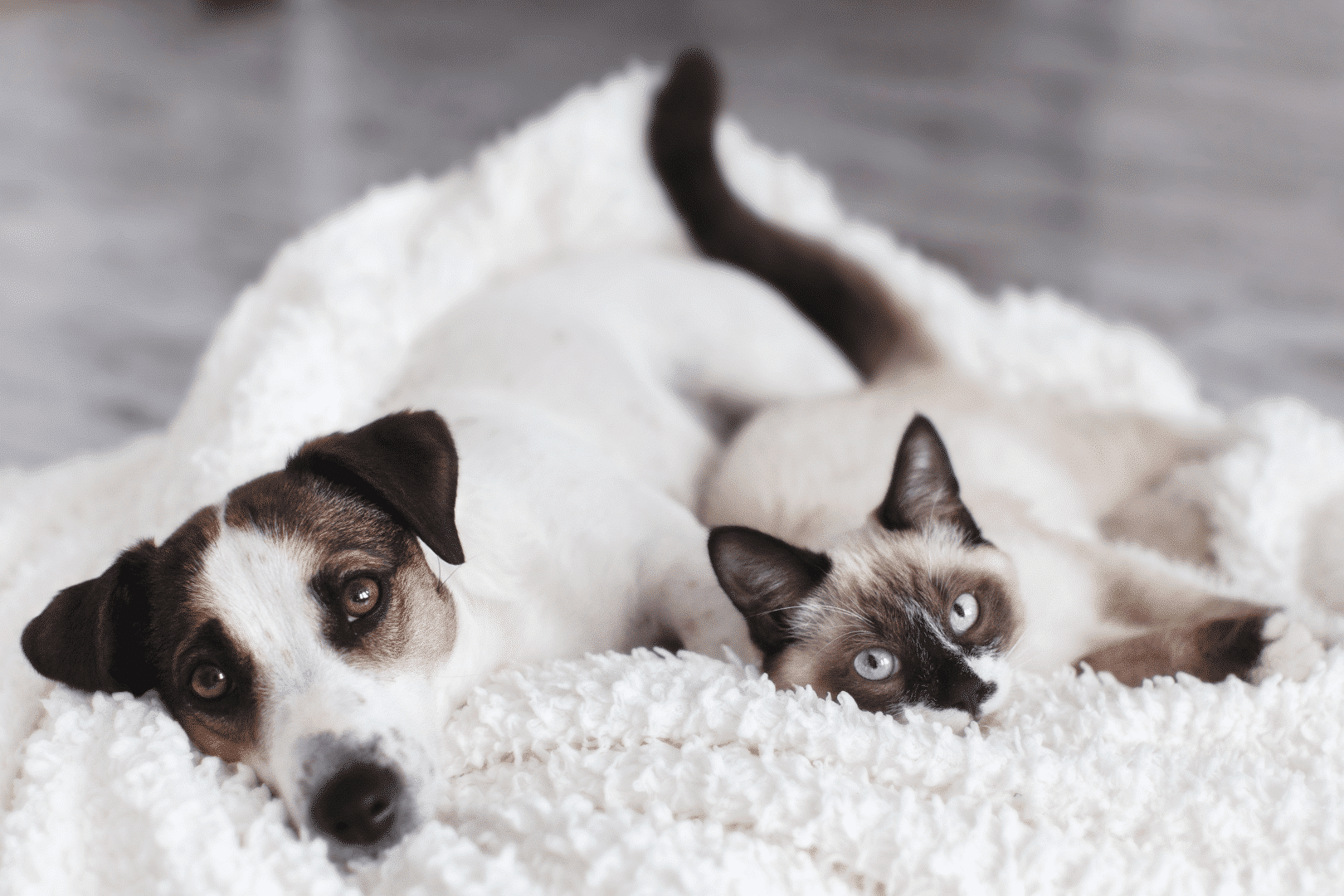
This article is the second part of our winter care guide for cats and dogs in Barcelona. In the first installment, we focused on how cold weather affects their bodies, what signs to look out for, how to adjust their diet in winter, and what coat care is essential for keeping their skin healthy around this time of year.
In this second part, we address equally important issues: parasite prevention during the cold months, recommended vaccinations based on each pet’s lifestyle, emotional well-being throughout the winter, environmental enrichment for dogs and cats that spend more time at home, and key safety measures both at home and outdoors.
Winter in Barcelona is characterised by humidity, lower temperatures and fewer hours of daylight, factors that can affect the immunity, behaviour and daily routine of dogs and cats. At Balmesvet, Barcelona’s leading veterinary hospital, we provide care for many canine and feline companions during these months to ensure they enjoy a healthy, peaceful and comfortable winter. In this guide, you will find practical, up-to-date recommendations to help them get through the winter safely and smoothly.
Winter deworming: risks that persist throughout the year
Although many pet owners associate parasites with warm weather, the reality is that in temperate climates such as Barcelona, parasitic activity can continue throughout the year. Indoor heating, humidity, and the seasonal activity of some disease-carrying insects mean that prevention is still necessary in winter. Adjusting deworming guidelines for each pet is key to preventing infection and associated diseases.

Fleas and mites in homes with heating
Fleas (Ctenocephalides felis) and some mites can survive and reproduce indoors at temperatures above 64°F (18°C), which is common in homes during the winter.
It’s important to consider this point because:
- Eggs and larvae develop successfully in warm environments.
- Fleas can cause allergic dermatitis and transmit intestinal parasites.
- Mites (such as Otodectes in cats) can spread if the immune system is weakened by stress or illness.
Ticks in Barcelona in winter: incidence and risk
In Barcelona and surrounding parks, ticks can remain active on humid or mild days, even in the middle of winter.
Here’s why:
- Rhipicephalus sanguineus (brown dog tick) can be active year-round in Mediterranean climates.
- The presence of birds, rodents, and other animals in parks sustains their life cycles.
- Humidity favors their survival.
The risks associated with ticks include the transmission of diseases such as ehrlichiosis and babesiosis. Although their prevalence may vary depending on the season, these diseases remain a real concern in temperate climates such as Barcelona. That is why it is important to take preventive measures all year round.
Intestinal parasites: why they’re still a risk in winter
Intestinal parasites remain a year-round risk, especially in dogs and cats that:
- Go outside.
- Hunt small animals.
- Live with other animals.
- Live with children or immunocompromised individuals.
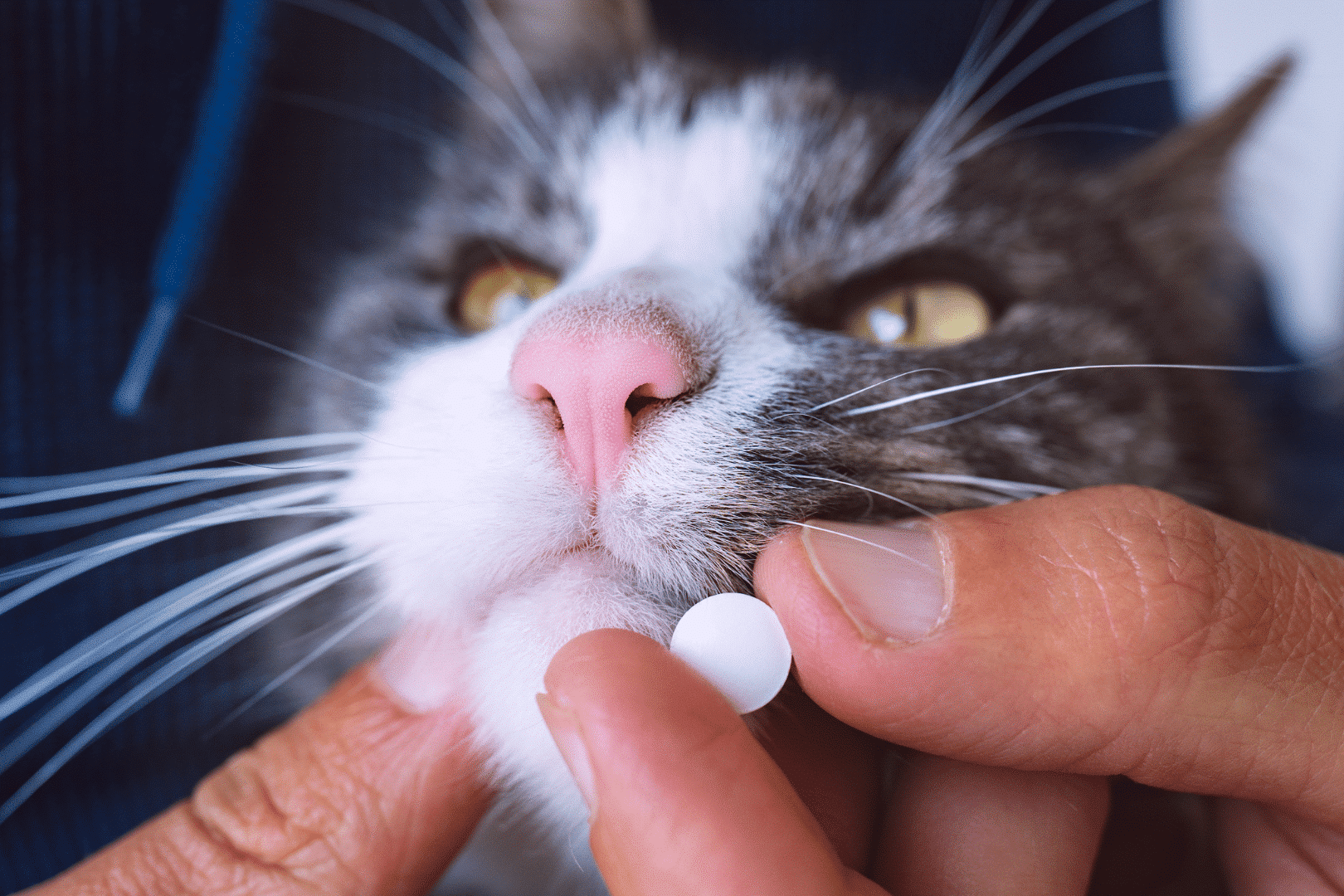
How to tailor deworming to your dog and cat’s lifestyle
Deworming should be individualized, not just based on the season. Factors to consider:
- Daily routine (indoors/outdoors).
- Frequency of contact with other animals.
- Play and exploration habits.
- Zoonotic risk for families with children or immunocompromised individuals.
- Regular walking areas and parks.
The preventive guidelines should be assessed by your veterinarian according to the legislation in each area, the environmental risk, and the specific characteristics of each pet.
Vaccination and prevention in winter: what to look for in cats and dogs
Winter is a good time to check the vaccination records and health conditions of your pets. Although many diseases are not directly related to cold weather, factors that favor their transmission do increase, such as sudden changes in temperature and lowered defenses in older pets or those with chronic conditions. Preventive vaccinations allow you to stay ahead of common problems during this time of year.
Recommended vaccines for cats and dogs
At a scientific level, the WSAVA (World Small Animal Veterinary Association) guidelines and the recommendations of European preventive medicine societies insist that the vaccination schedule should be adapted to each pet’s lifestyle, always assessed by their veterinarian in accordance with the legislation in force in each area and the individual needs of each cat and dog.
For dogs:
- Distemper.
- Parvovirus.
- Adenovirus.
- Lyme disease.
- Kennel cough.
- Rabies.
For cats:
- Panleukopenia.
- Feline herpesvirus.
- Calicivirus.
- Feline leukemia (FeLV) in cats with outdoor access or contact with other cats.
- Rabies.
These vaccines protect against diseases that can be made worse by cold weather or seasonal stress.

Respiratory diseases: more common in winter
Winter increases the risk of respiratory problems, especially in young, older, or flat-nosed dogs and cats. The combination of stuffy indoor spaces, heating systems, and fluctuating temperatures can weaken the respiratory lining and make viral or bacterial infections more likely.
Checking that your dog is up to date on kennel cough vaccinations and that your cat is protected against herpesvirus/calicivirus is a key preventive measure.
Health check-ups for older pets in winter
Senior patients may experience more joint pain, energy slumps, and flare-ups of chronic conditions during the winter.
A veterinary check-up enables:
- Assessment of kidney and liver function.
- Adjustment of pain medication.
- Checking weight and body condition.
- Detection of respiratory or cardiac abnormalities.
Physical activity and environmental enrichment for dogs and cats in winter
Cold weather, rain, and shorter days can significantly reduce the daily activity of pets. However, staying active is essential for their physical, cognitive, and emotional well-being. Scientific literature on animal behavior shows that stimulation reduces stress, improves behavior, promotes self-control, and prevents problems such as anxiety, frustration, or weight gain, especially in winter.
How to make up for shorter walks with your dog
When the weather limits long walks, it is important to maintain physical and mental stimulation even if the outing is brief.
Recommendations:
- Take shorter but more frequent walks.
Studies on canine well-being indicate that several short bursts of activity are as beneficial as one long walk, and safer on cold days. - Choose the warmest hours of the day.
Mid-morning and early afternoon usually offer better temperature conditions. This reduces muscle tension and the risk of respiratory problems in sensitive breeds. - Include scent games during the walk.
Following trails, searching for small treats, or exploring controlled environments activates areas of the brain involved in relaxation and problem solving.
Indoor activities to keep your dog active but relaxed
Doing mental exercises at home can compensate for the lack of outdoor activity and improve emotional stability.
Scent games.
Sniffing requires a lot of energy and reduces anxiety, promoting active calm and stimulating concentration.Proprioception exercises.
Using cushions, mats, or safe platforms helps improve balance, deep muscles, and confidence.Small circuits or challenges.
Hallways, chairs, tunnels, or changes in terrain provide novelty and motivation.Lick Mats and interactive toys.
They prolong the activity, reduce anxiety, and encourage licking behavior, which has a self-regulating effect.
Cognitive and sensory stimulation positively alters neurotransmitters such as dopamine and serotonin, improving behavior and the human-animal bond.
Enrichment for cats during winter
Cats tend to be less active in winter, which increases the risk of weight gain, boredom, and stress. That’s why it’s recommended to structure their environment to encourage daily activity.
Ideas and recommendations:
Scratching posts and climbing towers.
These improve mobility, muscle tone, and exploratory behavior.Short interactive play sessions.
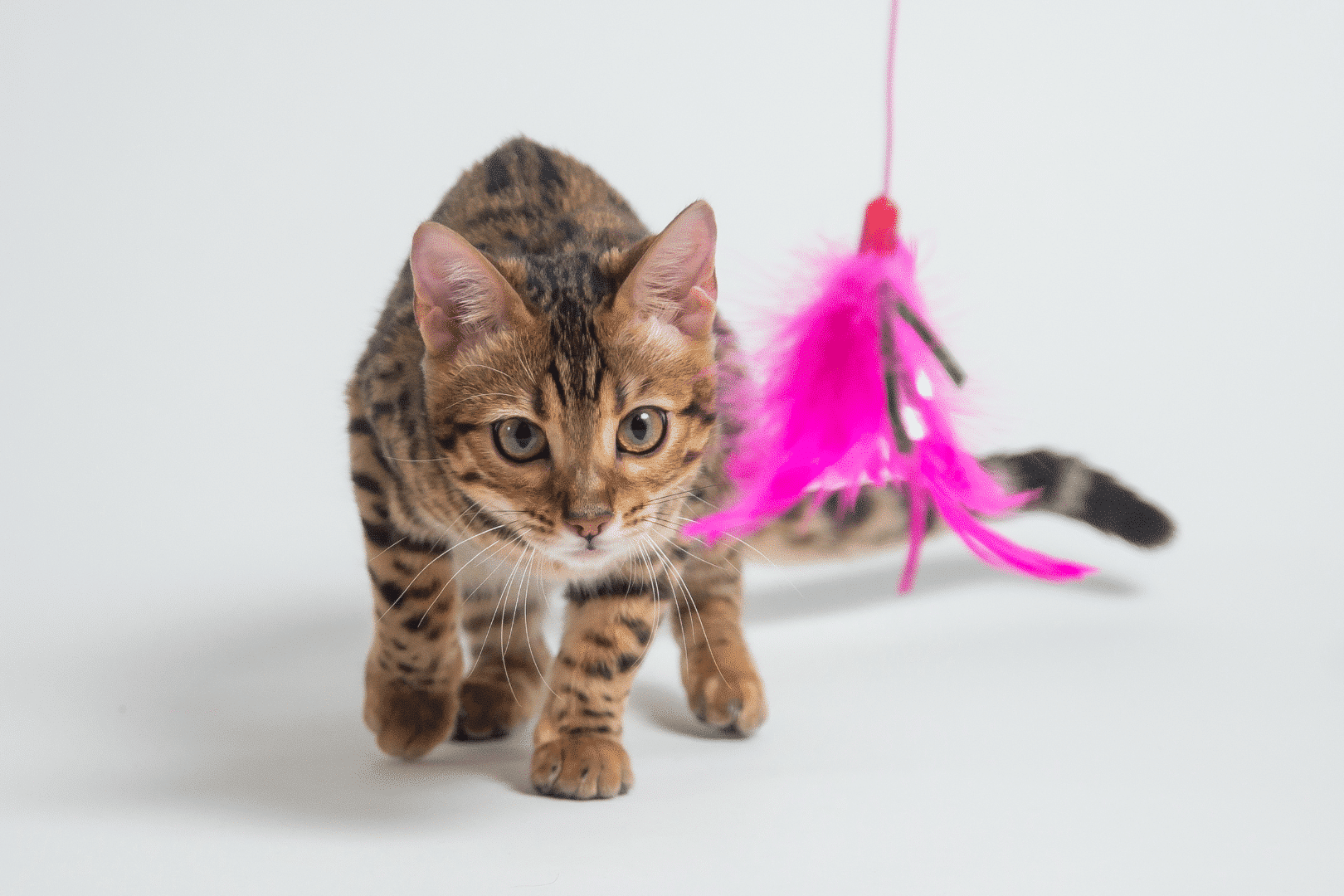
Sticks, lightweight balls, or toys that simulate prey activate the predatory instinct through stalking–hunting–capturing sequences.Interactive feeders and food circuits.
They increase activity, reduce anxiety, and prevent hasty eating.Rotation of toys.
Novelty stimulates exploratory behavior and reduces boredom.
Cats need short bursts of activity throughout the day. Predatory play improves emotional well-being, reduces undesired behavior, and promotes restful sleep.
Routines: the key to emotional well-being
Routines provide security and predictability, two essential pillars of emotional wellness in cats and dogs.
- Stable schedules for meals, play, and rest improve emotional regulation.
- Calm and predictable environments promote more balanced behavior.
- Stress reduction: Routines reduce the activation of the alert system, especially in sensitive dogs and cats, in homes with children or multiple pets.
Environmental predictability reduces activation of the stress axis (HPA) and improves emotional stability, according to studies in clinical ethology and animal welfare.
Emotional well-being and stress management in winter
During winter, dogs and cats spend more hours indoors, get less exercise, and are more exposed to noise, visitors, and changes in routine. All of this can affect their emotional balance. Behavioral neurobiology shows that lack of stimulation, loss of control, and unpredictability increase the activation of the stress system (HPA axis). That’s why emotional health is as important as physical health at this time of year.
How to avoid boredom and friction at home
In winter, it is more common to see:
- Frustration due to lack of activity or stimulation.
- Boredom, which can lead to unwanted behaviour.
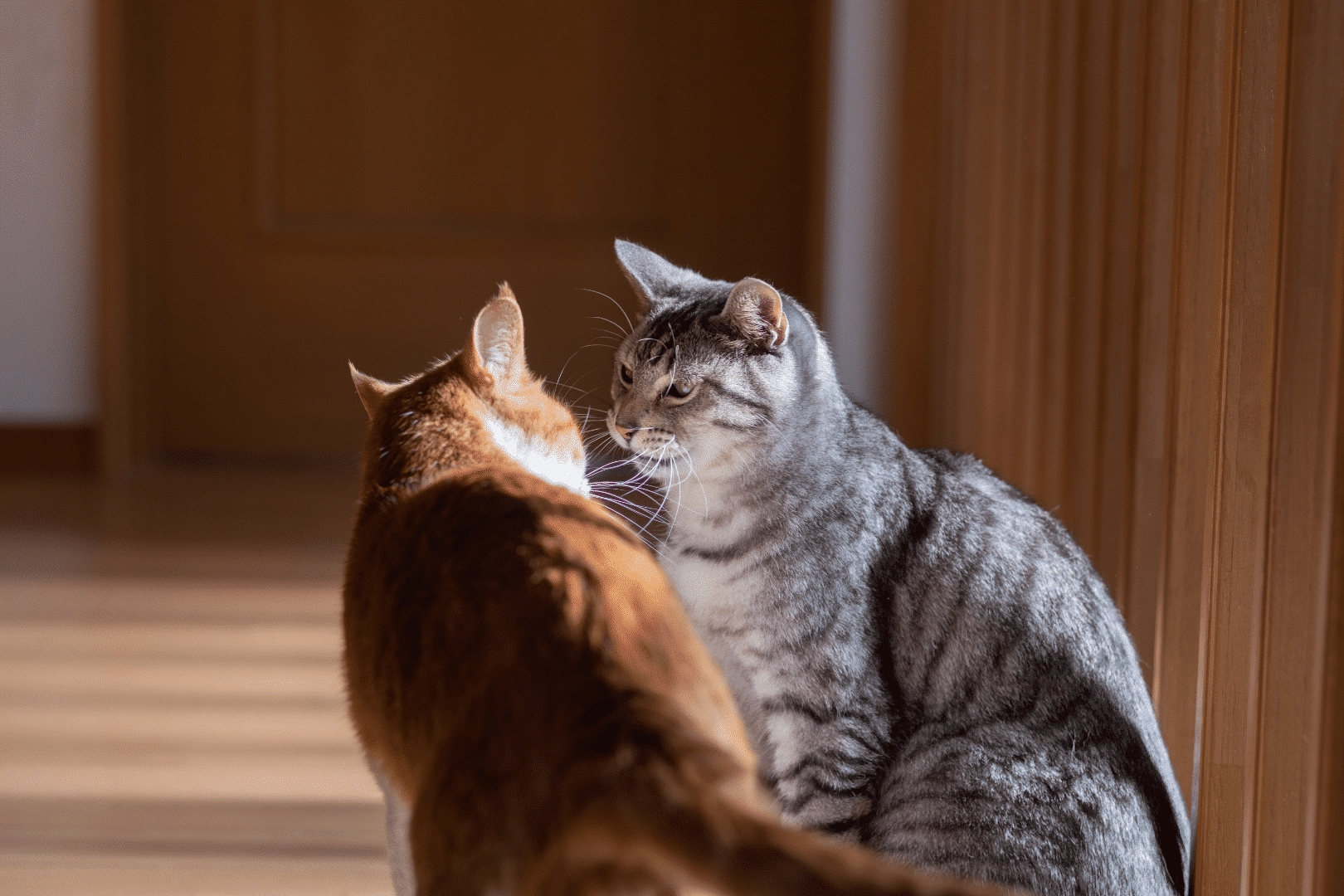
- Conflicts between cats, especially if they compete for resources or warm spaces.
- Excess energy in some dogs, especially young or active ones.
To prevent this, it is helpful to:
- Offer structured activities throughout the day.
- Ensure quiet, separate rest areas.
- Maintain good resource management in multi-cat households: litter boxes, scratching posts, food bowls distributed in different areas, elevated and climate-controlled areas.
There is evidence that conflicts between cats increase when activity levels decrease and competition for warm or sheltered places increases. In dogs, the relationship between boredom and frustration anxiety is particularly noticeable.
Noise, visitors and parties: how to help them
During winter, it’s common for certain stressful stimuli to increase, such as storms, sudden noises, and family gatherings that take place indoors. These factors can trigger fear or raise stress levels, especially in sensitive dogs and cats or those with previous negative experiences.
Recommendations:
- Prepare a safe space at home before particularly noisy days.
- Keep routines as stable as possible.
- Use soothing music or the television at a low volume.
- Avoid punishment or forcing interaction if they show signs of discomfort.
Behavioral studies indicate that predictable shelters reduce cortisol spikes in cats and dogs that are exposed to stressors.
When to use pheromones and environmental enhancements
Synthetic pheromones have been shown to be useful in reducing stress and improving adaptation in situations of change or heightened emotional sensitivity.
- Feliway for cats helps with social conflicts, fear of noises, or changes in environment.
- Adaptil for dogs can reduce mild fear of noises, stress due to lack of activity, or problems relaxing.
Multiple published studies support their use as a supplementary tool, as long as they are used within a behavioral management plan.
How to create safe and calm spaces at home
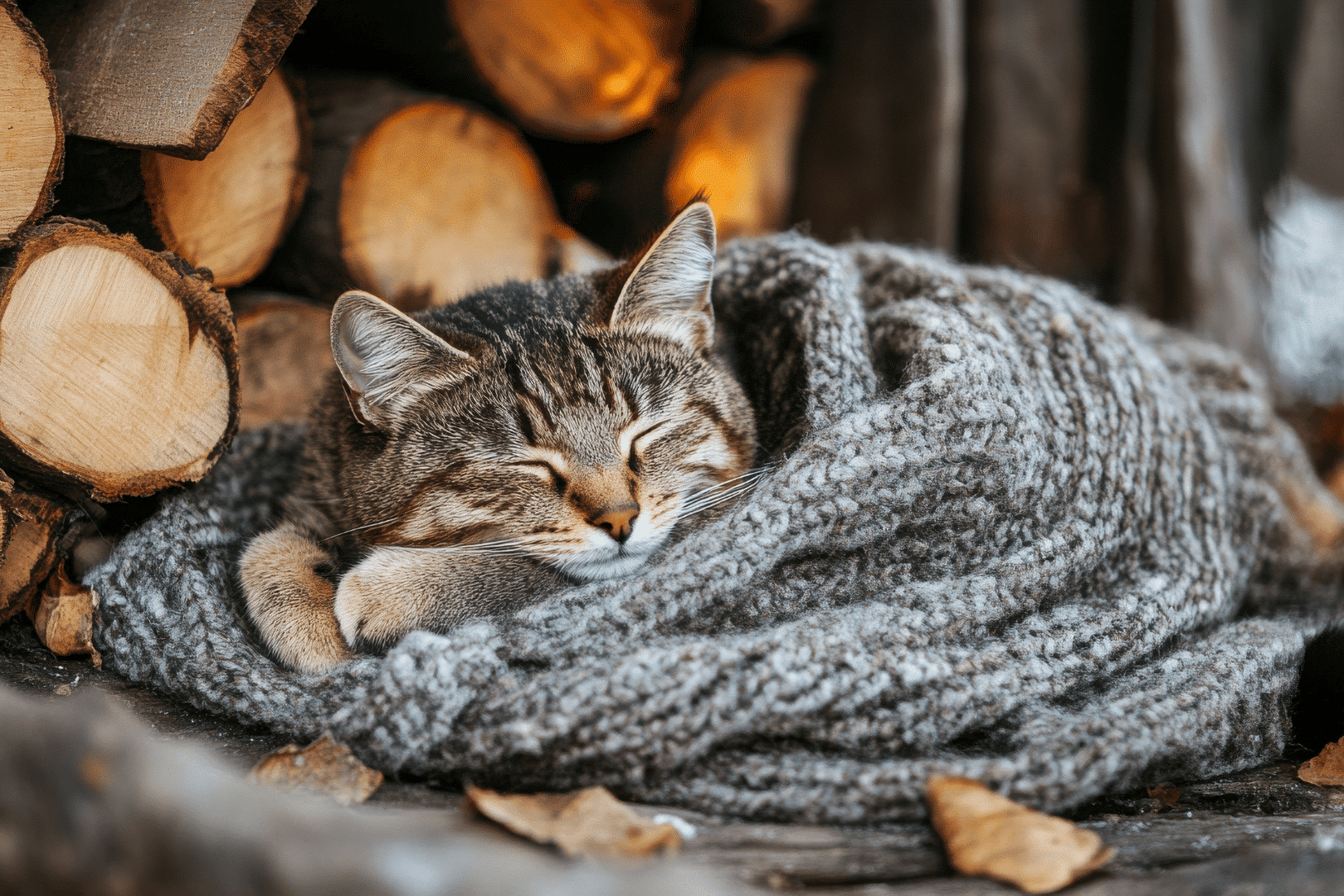
Our canine and feline companions need places where they feel protected, especially during winter.
Recommendations:
- Provide beds in warm areas away from drafts.
- Ensure elevated or covered shelters for cats (boxes, secure shelves, igloos).
- Avoid interference between pets in the areas they typically rest in.
- Keep food, water and toys distributed throughout the house, reducing competition and stress.
Predictability, the availability of shelters, and control of resources significantly reduce the activation of the stress system, according to studies on animal welfare and applied ethology.
Winter safety for your pet inside and outside the home
Winter can pose specific risks for cats and dogs, both at home and during walks. Cold temperatures, humidity, poorer visibility, and the use of certain chemicals can compromise their well-being. A combination of prevention, observation, and adjusting the environment can effectively reduce these risks.
Safe walks with your dog on cold days: tips
Winter walks require some extra precautions:
- Avoid frozen or slippery ground. Low temperatures increase the risk of falls and joint injuries.
- Use leashes to avoid startling your dog. Wind, loud noises, or sudden changes in temperature can frighten some dogs.
- Choose well-lit routes. Shorter daylight hours in winter reduce visibility and increase the risk of accidents.
- Choose warmer times of day. Mid-morning or early afternoon are usually safer in terms of temperature and visibility.
Veterinary orthopedic studies indicate that wet or cold surfaces increase the risk of slips and micro-injuries, especially in older dogs or those with osteoarthritis. Reduced visibility is also documented as a risk factor for being hit by cars.
Toxic products and how to prevent accidents
In winter, there is an abundance of products that can be irritating or toxic to pets:
- Antifreeze (ethylene glycol). Highly toxic even in small amounts. Its sweet taste makes it especially dangerous.
- Deicing salt on sidewalks. Can cause irritation, cracked paw pads, or poisoning if accidentally ingested.
- Other winter chemicals. Cleaning products, heating fluids, or solvents found in garages.
Recommendations:
- Keep products out of reach.
- Wash and dry paws after walks.
- Contact your veterinarian immediately if you suspect ingestion.
The toxicity of ethylene glycol is widely documented in veterinary internal medicine. It causes acute kidney damage if not treated within a few hours.
Useful accessories for dogs in winter
Depending on the size, age, and health of the dog, it may be necessary to use:
- Coats or thermal clothing for short-haired, thin, or older dogs.
- Protective booties to prevent cracks, salt irritation, or prolonged contact with cold surfaces.
- Lights and reflective materials to improve visibility during walks.

Heating at home: risks for your pet
Home heating can affect the well-being of dogs and cats:
- Avoid direct contact with floor heaters or radiators. They can cause burns and irritation.
- Keep an eye on hydration. Heating dries out the environment and affects the skin and respiratory mucosa.
- Check for skin irritation. Excessive heat can cause dry skin, dandruff, or itching.
The skin of dogs and cats is more sensitive to environmental dehydration than human skin. Dermatological literature reports a higher incidence of flaking and irritation in dry environments.
Car safety in winter
Cars can get cold quickly and act like a freezer at low temperatures.
Recommendations:
- Avoid leaving pets alone in the car, even for a short time.
- Use approved restraint systems.
- Keep the interior temperature stable.
Take precautions in parks, wetlands, and natural environments
In winter, some environments require extra caution:
- Wet leaves. They can conceal stones, glass, or slippery areas.
- Deep puddles. Risk of falls or contact with contaminated water.
- Areas of water with thin ice. They can break and result in dangerous falls.
- Areas with lots of mud. These can cause injuries from overexertion, slips, or dirt accumulating on the coat and paws.
Balmesvet is with you all winter long: your cats and dogs will be safe, healthy and happy
This second part completes our guide to winter care for cats and dogs in Barcelona. If you haven’t read the first part yet, we recommend checking it out here to learn how cold weather affects your pet’s body, what signs to look out for, and what adjustments to their diet and coat care are important during this season.
At Balmesvet, we are well aware of the challenges that winter poses for young, adult, and senior dogs and cats. Our team, trained in the Fear Free and Cat Friendly approaches, offers internal medicine, 24/7 laboratory services, specialized hospitalization with ICU, and advanced diagnostics to assess any changes you may notice at home.
If you notice any changes in your pet’s behavior, mobility, breathing, or general condition, or if you simply want to make sure that everything is okay, we are here to help you at Calle Balmes 205, 08006 Barcelona. Our goal is to provide you with thorough, friendly, and clear support so that your cat or dog can enjoy a healthy and happy winter.
Balmesvet Veterinary Hospital
| Information | |
| Address | Carrer Balmes 205, 08006 Barcelona |
| Parking | Balmes 200 (30-minute visits; 1 hour for emergencies) |
| Phone | 931 173 173 |
| atencioclient@balmesvet.com | |
| Consultations | 8:30–20:00 |
| Emergency/Hospitalization | 24/7 |
Can we help you? Call us or make an appointment. 24/7 emergency services available.

 Barcelona, C/ Balmes nº 205
 931 173 173
 info@balmesvet.com