


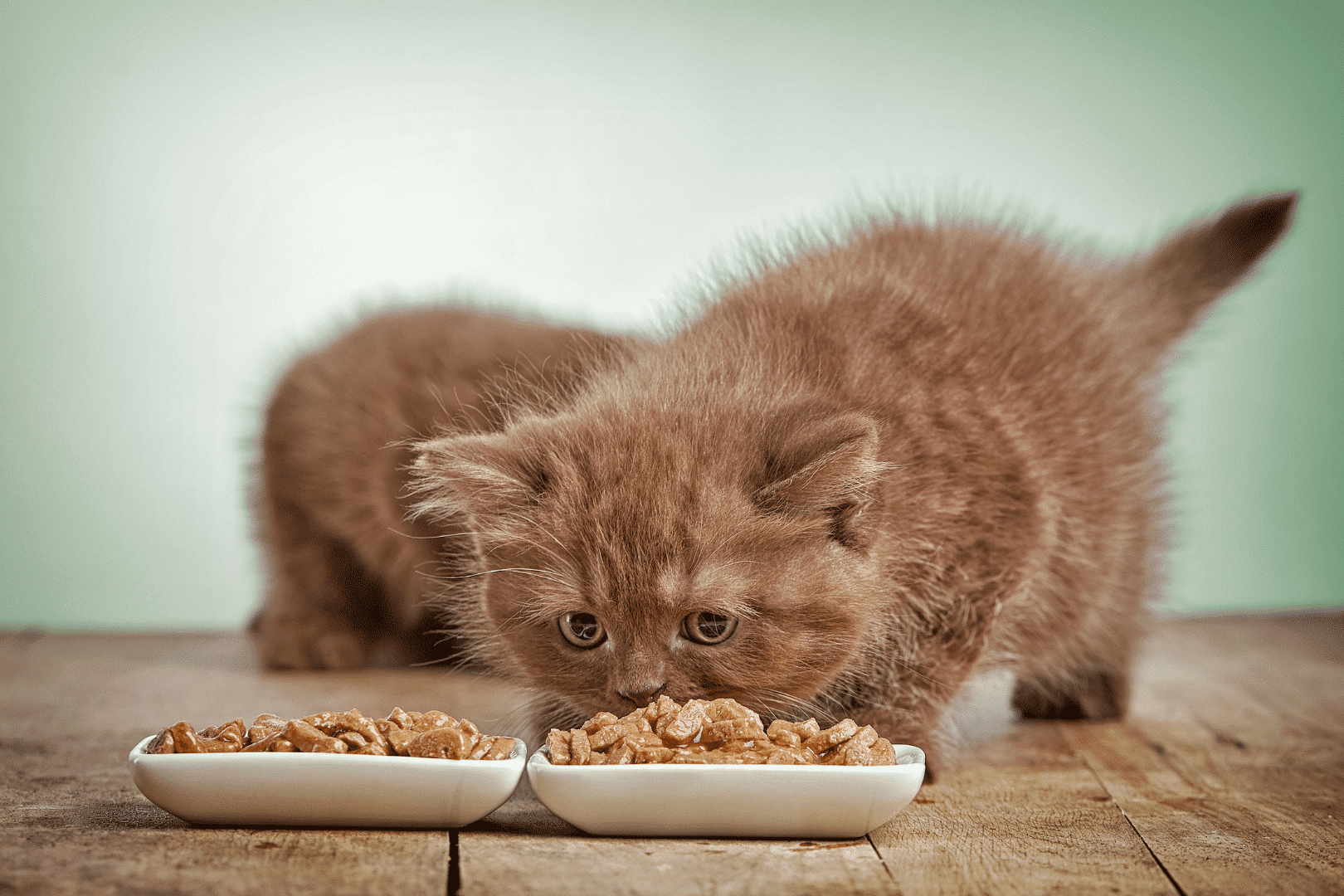
The learning window in cats: why it’s key to their future diet
This period extends until 6-7 months of age and is a unique opportunity to teach them to accept a wide variety of foods that can influence their health and well-being throughout their lives.
What is the food learning window and how to take advantage of it?
During their first few months, kittens are more open to trying new flavors, textures, and smells. This is the ideal time to introduce different types of food (dry food, wet food, soft textures, kibble, various flavors, cat treats, etc.), as their tolerance for novelty is greater.
After this stage, cats develop a natural tendency to reject any unfamiliar food. This behavior is known as food neophobia .
Food neophobia in cats: what it is, why it occurs, and how to prevent it
Food neophobia is a common characteristic in adult cats and can pose a real challenge when a change in diet is necessary for health or age reasons. As a species that is highly susceptible to change, a new diet may be perceived as an environmental threat.
A neophobic cat may:
- Refusing to eat for several days if you don’t recognize food, which can lead to serious problems such as hepatic lipidosis.
- Rejecting therapeutic diets necessary to treat chronic diseases (kidney, urinary, intestinal, etc.), making recovery difficult.
Therefore, the key is prevention , and this begins when your cat is still a kitten.
Why do cats reject new foods? An evolutionary and behavioral explanation
The tendency of many cats to reject new foods is not a mere whim or an individual trait: it is a species characteristic with deep foundations in their evolution, physiology, and early learning.

Evolutionary origins of the cat’s diet: why they prefer the familiar
Felis catus , our current domestic cat, descends from solitary, strictly carnivorous wild felines that, for thousands of years, maintained a very homogeneous diet. Their diet was based almost exclusively on hunting small prey—such as rodents, birds, or reptiles—that offered a complete and constant nutritional profile. Unlike dogs, which descended from social scavengers and developed a greater tolerance for dietary variability, cats were not scavengers nor did they consume rotting food .
This had important consequences:
- They didn’t need to distinguish between many types of food, just recognize the smell and texture of their usual prey.
- Evolutionarily, any food with a very different smell or texture could pose a risk (rotting, poison, toxic plants, etc.), so avoiding them increased their chances of survival.
- They did not develop a physiology prepared to digest complex carbohydrates, vegetables, or processed foods: their metabolism specialized in animal proteins and fats.
Feline neophobia: an instinctive strategy to avoid risks
For all these reasons, food neophobia (aversion to the unknown) is partly an instinctive self-protective response. From an evolutionary perspective, avoiding the unknown could be the difference between life and death.
Today, in a domestic environment, this natural trait can become a problem when:
- It is necessary to introduce a therapeutic or specific diet for health reasons.
- Changes in environment or routine occur that alter your eating behavior.
- The cat has not had positive experiences with food variety during its early development.
Understanding this evolutionary origin not only helps us be more patient, but also reminds us of the importance of taking advantage of the kitten’s learning process to expand its repertoire safely and respectfully.
How a strategic kitten diet improves future nutritional health
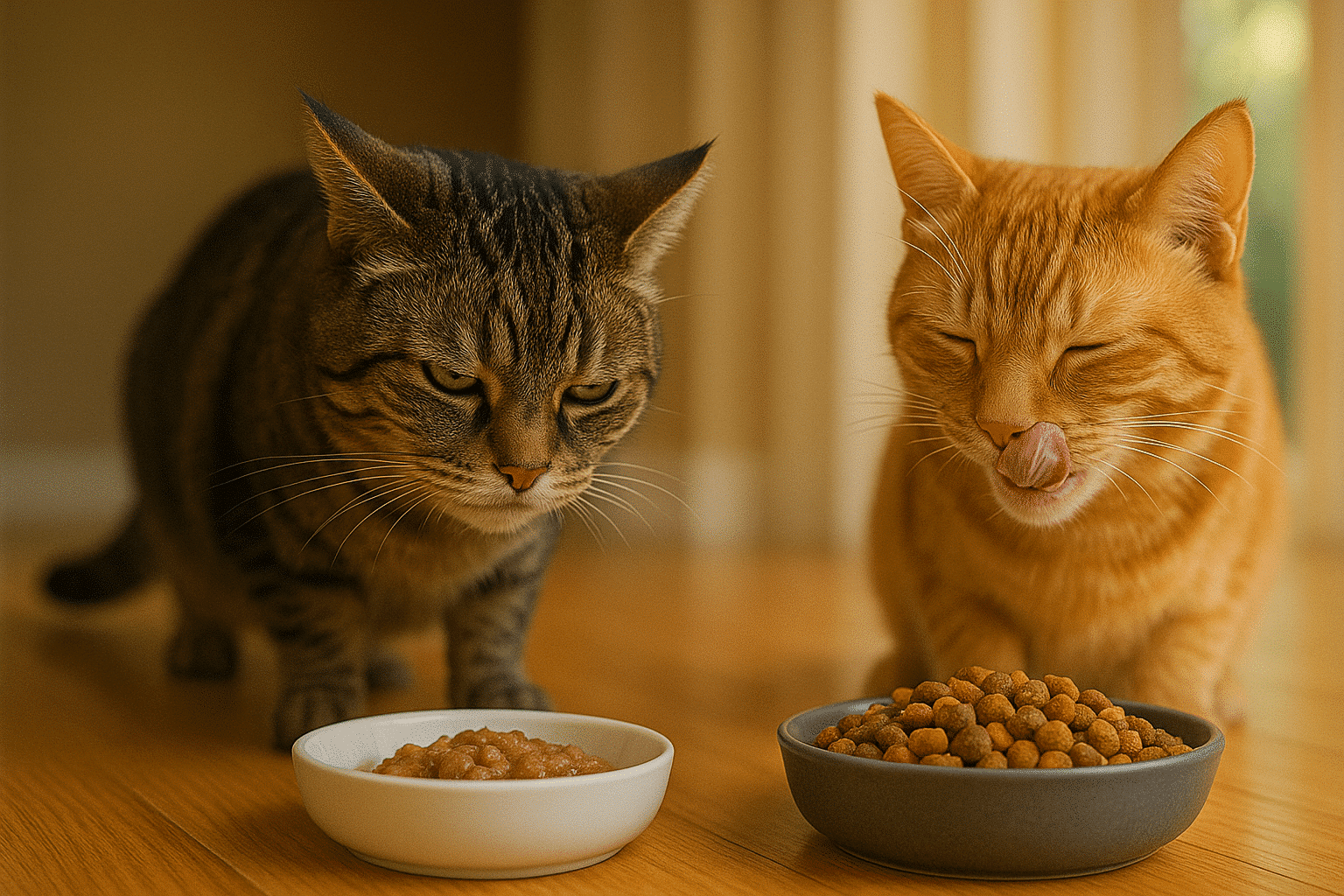
Variety during the first months of life not only broadens a child’s tastes, it also builds a food memory that will help them better accept new foods in changing situations: moving, traveling, illness, or aging.
Between the first and fourth month of life, it’s especially important to offer a variety of foods. But even up to 6-7 months, their brains remain open to new food stimuli.
Introducing new foods at this stage:
- Prevents future food rejections.
- Facilitates dietary changes for health reasons.
- Reduces stress associated with changes in your routine.
Practical guide: what foods to offer your kitten and how to introduce them correctly
At Balmesvet, we know that proper nutrition during a kitten’s first months of life is key to its future health. Variety not only nourishes the body, it also educates the cat’s palate and digestive system. That’s why we offer a practical and comprehensive guide so you can support your cat during this stage with confidence and security.
Step 1: Introduce a variety of textures and formats into your diet
During the learning window, it’s very important for your kitten to become familiar with different types of food, not only in terms of taste but also in terms of format and texture. This variety can be easily offered through commercial diets formulated for their growth stage, but it’s advisable not to limit yourself to dry food alone. The broader their food repertoire is now, the easier it will be for them to accept different diets in the future.
You can offer:
- Wet food : in sachets, cans or mousse, provides hydration and usually has a more appetizing texture.
- Small croquettes : ideal for facilitating chewing and training the bite.
- Soft and chopped textures : such as small pieces of cooked chicken or boneless fish, always cooked without salt or seasoning.
- Specific kitten snacks : Occasionally and as part of learning, they can be useful to reinforce positive behaviors.
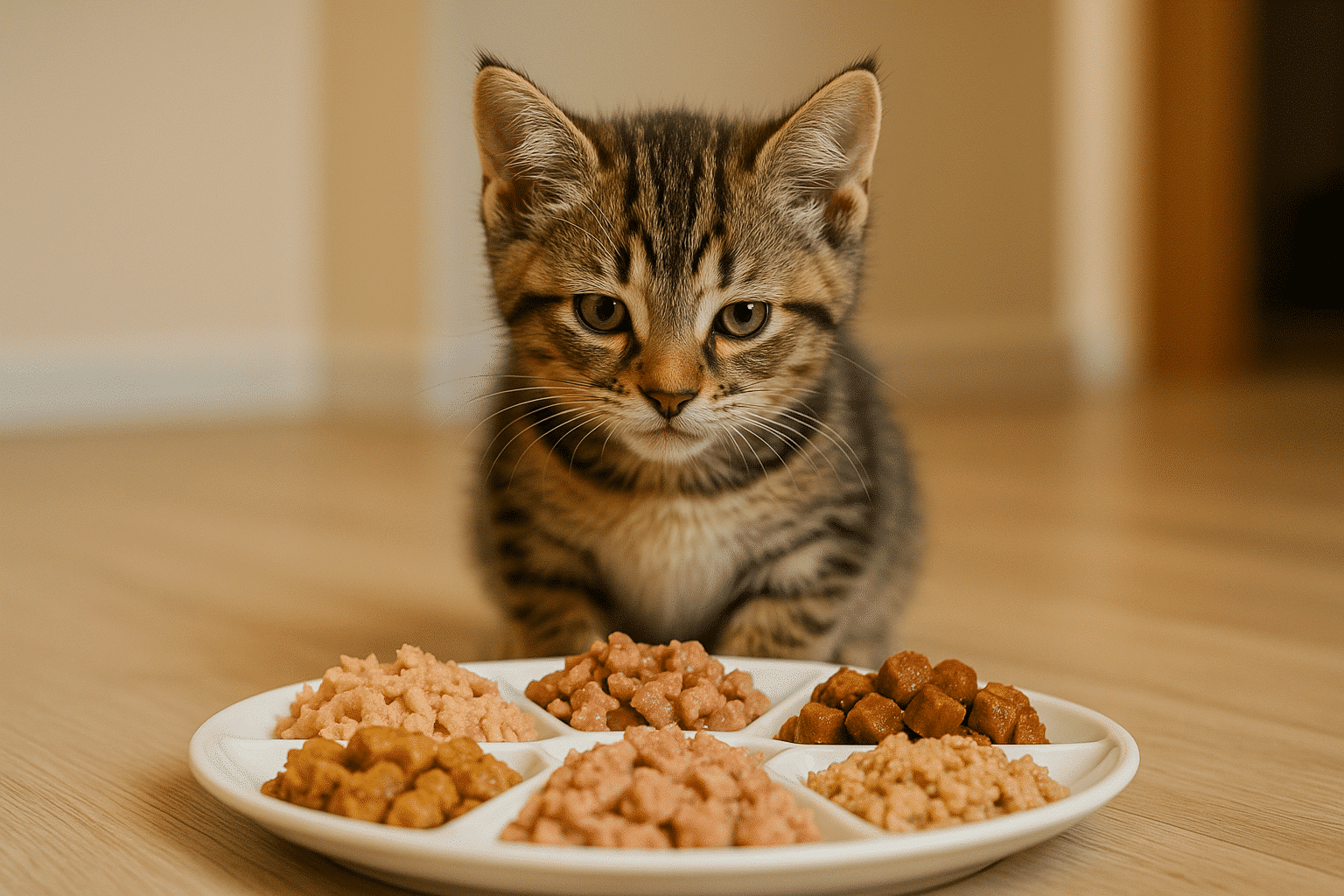
Varying textures helps develop tolerance to new sensations, reducing the risk of rejecting future diets. But above all, don’t do everything at once . Introduce each texture gradually, at your own pace, and always in a calm and familiar environment.
Step 2: How to offer new flavors without causing rejection and digestive problems
Kittens can and should try foods with different flavor profiles: chicken, turkey, tuna, salmon, rabbit, beef, etc. The broader their taste buds are at this stage, the easier it will be to adapt their diet in the future.
- Introduce a new flavor every few days , observing their appetite, behavior, and stool consistency.
- Avoid introducing multiple flavors at once . Ideally, you should introduce one new food per week , in small amounts and always as part of a balanced diet.
- Don’t make sudden changes , even if the goal is to encourage variety. A kitten’s digestive system is still developing, and it may react with vomiting, diarrhea, or rejection if its usual diet is suddenly altered.
- Repeat exposure to the new flavor several times if your child doesn’t accept it at first. Repetition in a safe environment helps your child recognize it as familiar and trustworthy.
- Not all foods are suitable: always avoid giving leftovers from homemade food, sauces, sausages, fried or salty foods. Some common ingredients in our kitchen can be harmful or even toxic to kittens.
- Monitor the amount of food your kitten is exposed to : If your kitten doesn’t eat its food quickly, remove it, especially if it’s wet food. When it oxidizes, it can release odors that may cause rejection. Always offering fresh food in small amounts helps encourage acceptance.
A well-managed variety not only educates your cat’s palate, it also prepares him to face nutritional changes with confidence and without stress.
Step 3: Repetition and reinforcement to help your kitten accept new foods
It’s normal for some kittens to reject a new food the first few times. This doesn’t mean they don’t like it, but they just need time to accept it .
- Offer it in a quiet environment, away from the litter box and noisy areas.
- Use his regular feeder to give him confidence.
- Remove the food if it is not eaten, but try again the next day.
- Never force or reward him with unhealthy food if he rejects new food.
With patience, repetition, and trust, what you reject today can become a food you readily accept tomorrow.
Step 4. The veterinary consultation: your best ally
Every kitten is unique. Their development, health, weight, medical history, and lifestyle will determine which foods are best for them.
In Balmesvet:
- We evaluate your kitten’s nutritional status from their first visits.
- We design personalized meal plans based on your age, race, activity level, or potential medical needs.
- We help you prevent future problems such as obesity, loss of appetite, or digestive intolerances.
- We can advise you if your cat shows signs of food neophobia or if you need to change its diet for therapeutic reasons.
What your kitten learns to eat today will help him live better tomorrow.
The Food Imprint: How Early Learning Influences Your Habits
In cats, there is a phase of dietary imprinting that occurs between 3 and 8 weeks of age. During this period, the mother plays a fundamental role. In the wild, she often brings them prey or foods that she herself considers safe, naturally teaching them what is safe and what is not. This early learning leaves a lasting impression on their future food preferences.
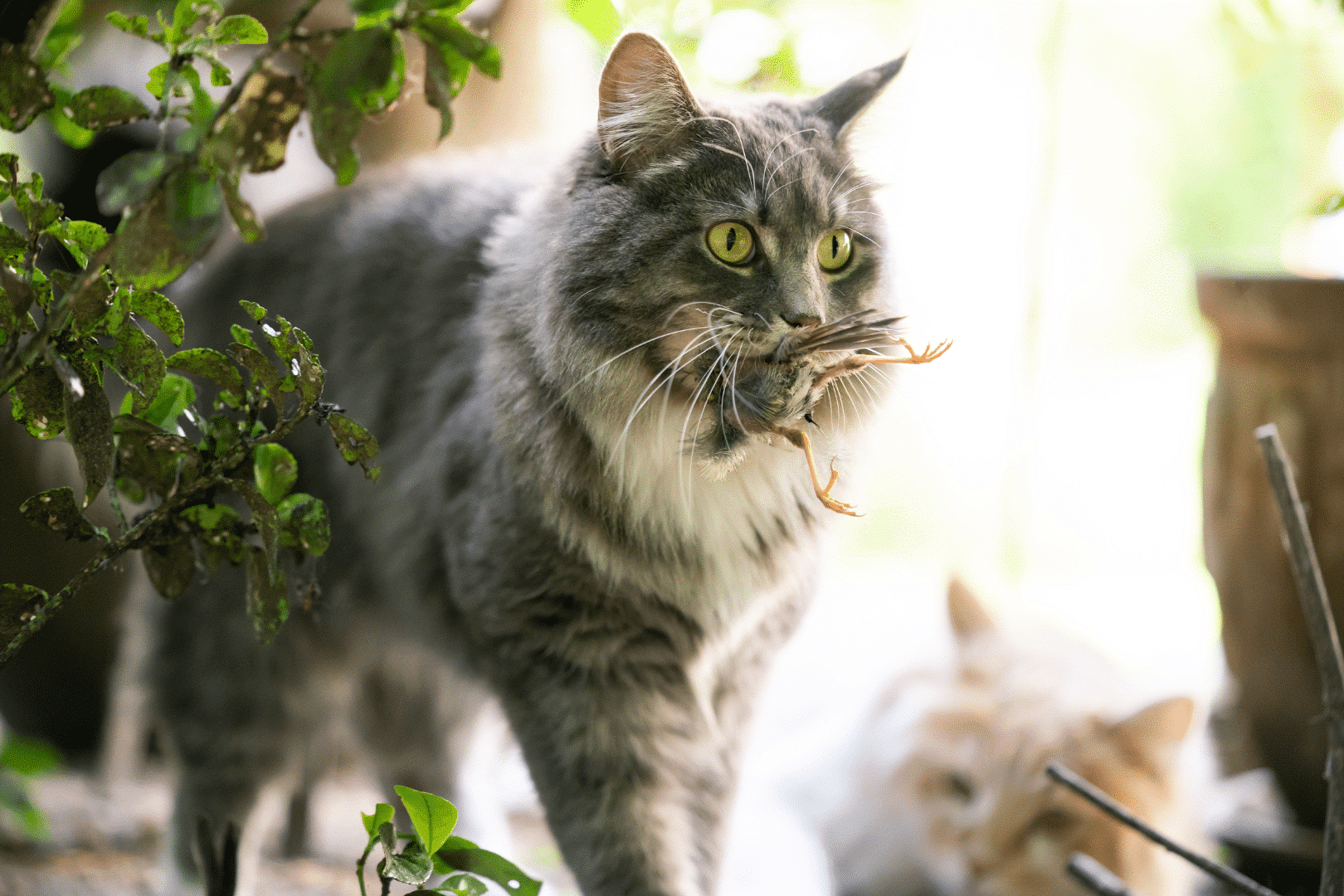
When we talk about orphaned or motherless kittens, this imprinting can—and should—be guided by us. Offering them a good variety of foods in their first months of life not only enriches their experience but also prepares them to more easily accept new diets throughout their lives.
Every flavor, texture, and smell you taste now counts. Taking advantage of this stage is an investment in your baby’s health, well-being, and long-term quality of life. Give your baby the opportunity to enjoy a varied, healthy, and species-appropriate diet from day one. At Balmesvet, we’re here to help and support you on this journey.
Food neophobia in adult cats: how to detect it and respond
Many caregivers come to the doctor’s office saying, “My cat doesn’t want canned food,” “My cat won’t eat new food,” or “How do I change my cat’s food?” And it’s not surprising. If your cat is already an adult and shows a persistent rejection of any dietary change, you’re probably facing a case of food neophobia .
As we’ve explained, this behavior has a very strong biological and evolutionary origin. It’s not a whim, nor an intractable behavioral problem. It’s a deeply rooted reaction within the species, which can be managed with the right approach.
Can a cat with neophobia have its diet changed? Effective strategies
Yes, although it requires patience, perseverance and an individualized strategy. In At Balmesvet we work with many adult cats that present this type of difficulty, especially when therapeutic diets need to be introduced or their diet needs to be changed for medical reasons ( kidney failure , urinary problems , overweight , allergies , etc.).
If you find yourself in this situation and don’t know how to change your cat’s diet, it is best to consult a veterinarian specialized in feline medicine such as Balmesvet. In many cases, neophobia can be addressed , but each cat requires an approach tailored to its history and health status.
Here’s a helpful article on this topic:
How to Change Your Cat’s Diet
The “monotony effect” and how to use it to your advantage. Many cats tire of the same flavor, but they accept a new diet better if it maintains the same texture as their usual diet. For cats with neophobia or the monotony effect, first try changing the flavor while maintaining the texture (for example, switching from chicken pâté to salmon pâté ) before switching from pâté to crumbles or kibble.
Quick tips:
• Change flavor but keep texture ;
• Progressive change over 7–10 days with your regular food within reach in addition to the new food.
• Same bowl, schedule and slightly warm temperature to promote acceptance.
Balmesvet: veterinary support for healthy feline nutrition
Nutrition is key to ensuring your feline companion grows up healthy and happy. Our team of specialized feline doctors is here to help you from your first visits:
- Resolve your questions about food types, quantities, and frequency.
- Assess their development and specific nutritional needs.
- Prevent future problems such as obesity or loss of appetite.
- Adapt your diet to each stage of your life.
Remember: The more your kitten discovers now, the easier it will be to care for him tomorrow.
Give your pet the opportunity to enjoy a varied, healthy, and species-appropriate diet from day one. At Balmesvet, we’re here to help.
We’re waiting for you at Carrer Balmes 205, 08006 Barcelona . We’re here to help: 24/7 emergency and ICU services , and a team that takes care of you without rushing.
| Fact | Information |
| Address | Carrer Balmes 205, 08006 Barcelona |
| Parking | Balmes 200 (30 min consultations; up to 1 h emergencies) |
| Phone | 931 173 173 |
| atencioclient@balmesvet.com | |
| Consultations | 8:30–20:00 |
| Emergency/Hospitalization | 24/7 |
Can we help you? Call us or make an appointment . 24/7 emergency services available.


 Barcelona, C/ Balmes nº 205
 931 173 173
 info@balmesvet.com