


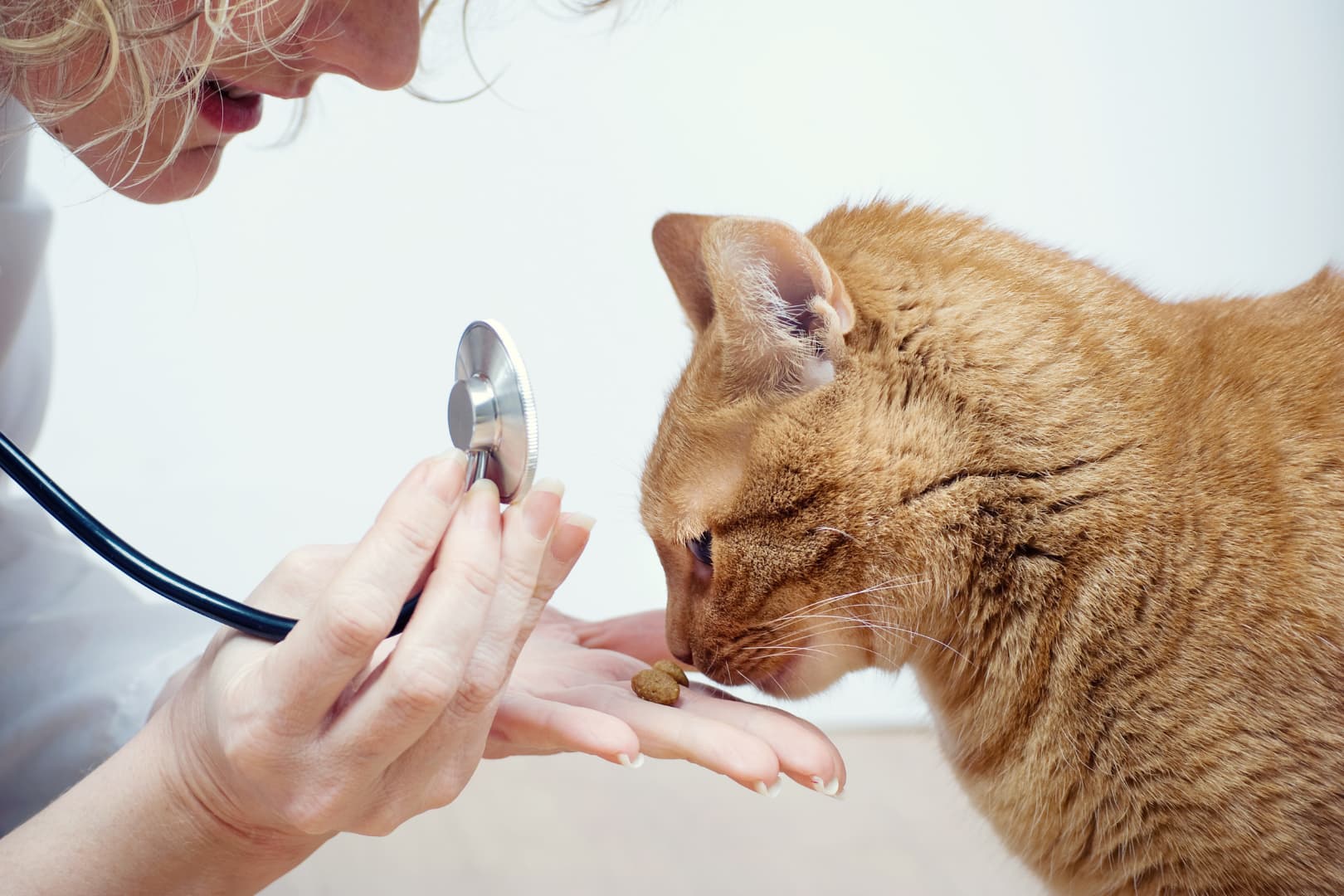
How do we care for the emotional well-being of cats during their stay at our veterinary hospital?
Veterinary hospitalization can be a particularly difficult experience for cats. Being removed from their usual environment and exposed to new smells, sounds, and clinical procedures is a significant source of stress that can affect both their emotional well-being and their medical recovery.
As a leading feline veterinary hospital in Barcelona, we know that hospitalization cannot focus solely on treating their illness. It must also include strategies that reduce fear, anxiety, and stress, promoting a calmer and more effective recovery. In this setting, feline pheromones are a key tool in a Fear Free and Cat Friendly approach to hospitalization.
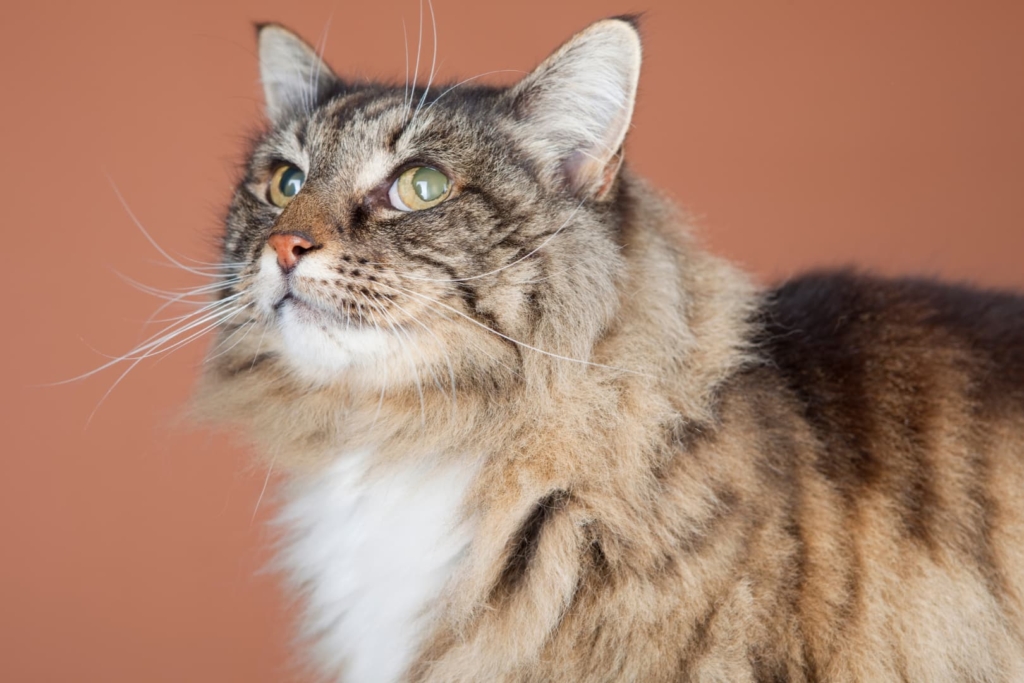
Hospitalization in cats: emotional impact and signs of stress
Cats are animals that are particularly sensitive to environmental changes. Controlling their territory and having a predictable environment are essential for them to feel safe. When these elements disappear, stress responses can surface in different ways:
- Loss or decrease in appetite.
- Withdrawal or hypervigilance.
- Defensive behavior.
- Difficulty resting.
- Worsening of pre-existing conditions.
Persistent stress not only influences behavior but also the immune system and the ability to recover. Therefore, reducing stress during feline hospitalization is an essential part of veterinary treatment.
What are feline pheromones, and how do they help reduce stress?
Feline pheromones are natural chemical signals that cats use to communicate with each other and their environment. They cannot be smelled by humans, but they convey very specific emotional information related to safety and familiarity.
These signals are mainly perceived through the vomeronasal organ, a specialized sensory system that detects social and emotional messages.
It’s important to understand that pheromones:
- Are not drugs.
- Do not sedate the cat.
- Do not alter its character.
- Help adjust emotional responses to stress.
Types of feline pheromones: what they are used for and which ones are used in our clinic
Cats produce different types of pheromones, each with a specific function. Not all of them have the same role or relevance in the veterinary setting.
To put it simply, we can distinguish between:
- Pheromones related to territory and environmental safety.
- Pheromones involved in social communication and bonding.
- Pheromones associated with very specific situations, such as reproduction.
In the context of veterinary hospitalization, not all of these pheromones are clinically relevant. The ones that have the greatest impact on the emotional well-being of hospitalized cats are the ones related to feeling that the environment is safe.
Feline facial pheromones for hospitalized cats: emotional
well-being and a safe environment
Feline facial pheromones, especially those known as F3, are the most studied and used in feline medicine. Under natural conditions, cats release them when they rub their faces against objects or people, marking that space as safe.
In feline veterinary hospitalization, their use helps to:
- Reduce the perception of threat.
- Make it easier to adjust to hospital admission.
- Reduce defensive behaviors.
- Improve patience with medical exams.
- Make it easier to rest during the hospital stay.
Scientific evidence: feline pheromones in hospitalized cats
Scientific veterinary research supports the use of feline facial pheromones as a tool to help cats cope with environmental and hospital stress. Studies published in specialized journals show a reduction in signs of stress and improved behavior during veterinary care.
They are particularly useful in:
- Senior cats.
- Cats with chronic illnesses.
- Long hospital stays.
- Cats with a history of fear or stress-related aggression.
Stress-free feline hospitalization: Fear Free and Cat Friendly multidisciplinary approach
Pheromones work best when integrated into a stress-free feline hospitalization protocol that considers the specific needs of your cat.
This approach includes:
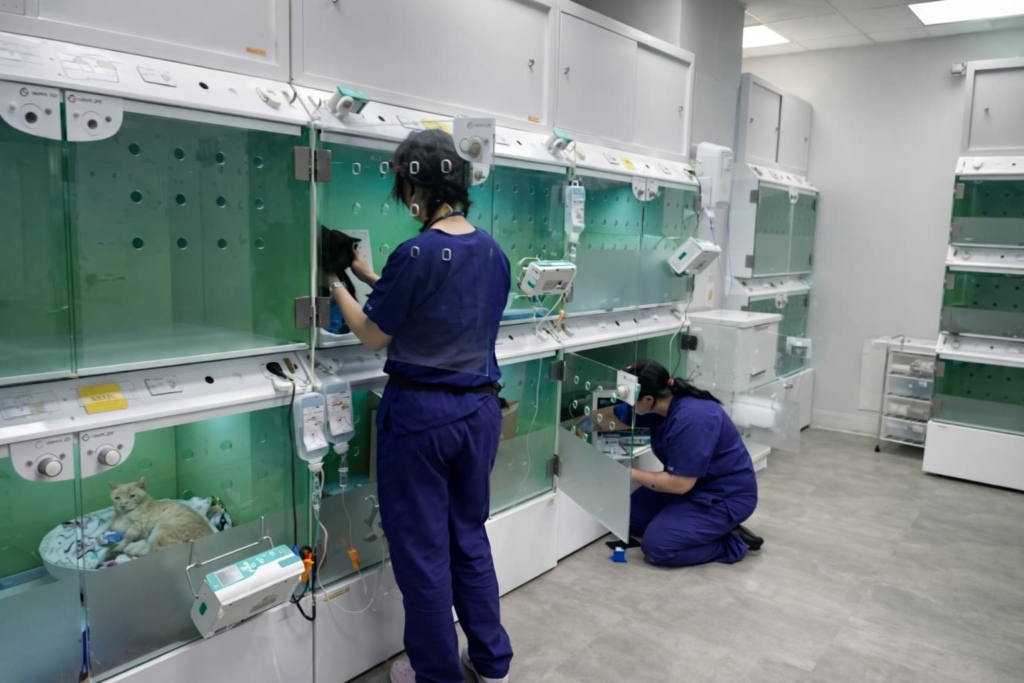
- Spaces designed exclusively for cats.
- Physical, visual, and scent separation from dogs.
- Gentle clinical handling tailored to each patient.
- Routines that are easy to predict.
- Proper pain management.
- Elimination of unnecessary noise and distractions.
The goal is to adapt the environment to the cat, not to force the cat to adapt to the environment.
How we use pheromones at Balmesvet Barcelona: stress-free hospitalization for cats
At Balmesvet, a leading feline veterinary hospital in Barcelona, pheromones are part of a holistic approach focused on the emotional wellness of hospitalized cats.
Their use goes hand in hand with:
- Cat enclosures that allow for separate areas for resting, eating, and litter boxes.
- Examinations carried out, whenever possible, in the cat’s own space.
- Cat Friendly and Fear Free protocols.
- Individualized care according to character, medical condition, and emotional state.
The benefits of reducing stress during feline hospital stays: recovery and comfort
When stress is reduced:
- Your cat will rest better.
- They will have a better appetite.
- They will tolerate handling better.
- They will respond better to treatment.
- The risk of stress-related complications will be reduced.
Caring for the emotional well-being of your cat is not an optional add-on but an essential part of modern feline medicine at Balmesvet.
Peace of mind for you: trust during your cat’s hospitalization
The hospitalization of your cat can cause concern for any human who lives alongside them. Knowing that they are in an environment that respects their innate nature and emotional sensitivity brings peace of mind and reassurance throughout the treatment process.
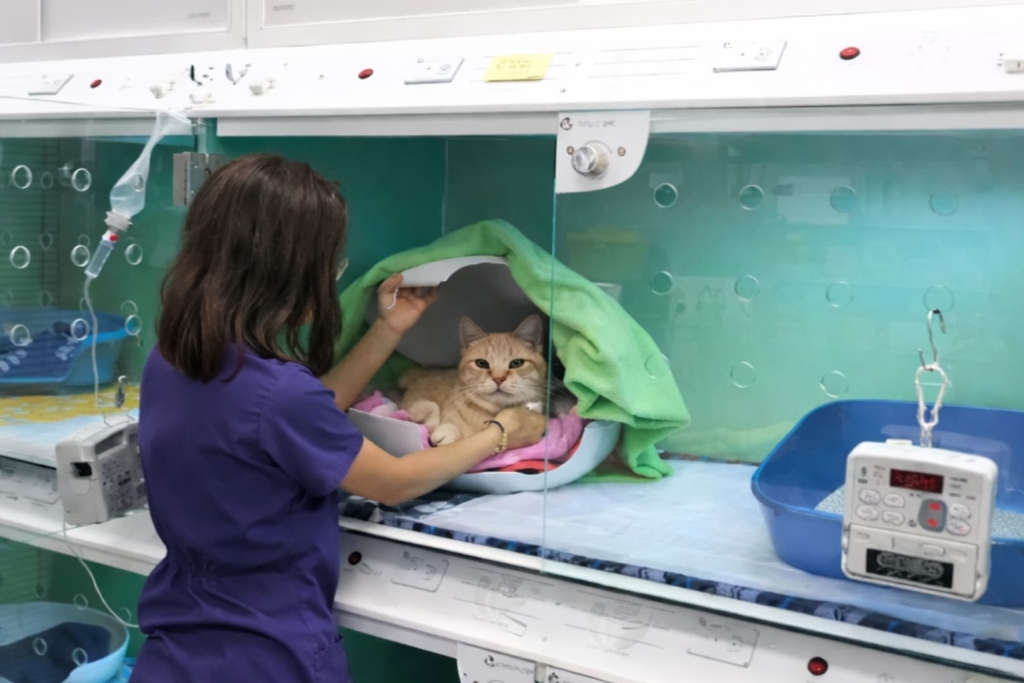
Stress-free hospitalization for cats is only possible when the environment, handling, and protocols are specifically designed for cats. If you want to know what to look for when choosing a veterinary center adapted to feline needs, you can find more information in our article, What should a veterinary clinic for cats in Barcelona be like?(link when uploaded to the website)
Frequently asked questions about feline pheromones in hospitalization
Why are feline pheromones used during hospitalization?
Feline pheromones help reduce fear, anxiety, and stress during hospitalization. They convey a sense of safety and familiarity that makes it easier for cats to adapt to being admitted, improves their rest, and allows for more respectful and effective medical care.
Do feline pheromones replace medication or veterinary treatment?
No. Feline pheromones are not a substitute for medical or pharmacological treatment. They are a support tool that is part of a multifaceted approach to stress-free hospitalization, along with pain control, proper handling, and specialized veterinary care.
Which cats benefit most from pheromones?
Feline pheromones are especially useful in elderly cats, cats with chronic illnesses, cats undergoing prolonged hospitalization, and cats with a history of fear or stress-related aggression. In these cases, they help improve their emotional adjustment and tolerance to hospitalization.
Do pheromones sedate cats during their stay?
No. Feline pheromones do not sedate cats or alter their level of consciousness. They work by regulating emotional responses to stress, without causing drowsiness or interfering with their neurological state.
How are pheromones used in stress-free cat hospitalization?
Pheromones are used with adapted feline housing, separate from canine patients, consistent routines, respectful handling, and proper pain management. They are part of a Fear Free and Cat Friendly approach that prioritizes the emotional well-being of hospitalized cats.
Do pheromones improve recovery in hospitalized cats?
Reducing stress promotes better recovery. Calmer cats rest better, have a better appetite, tolerate handling better, and respond more consistently to treatment, reducing the risk of stress-related complications.
Can pheromones help get cats ready for hospitalization?
Yes. Using pheromones at home before admission can help reduce stress during transport and make it easier for the cat to adapt to the hospital environment, especially in sensitive animals or those with past traumatic experiences.
Are the same pheromones used for dogs and cats in hospitalization?
No. Pheromones are species-specific. Feline pheromones are designed for cats and should not be replaced or substituted with canine products. Using species-specific pheromones is essential for the effect to be appropriate and safe.
Balmesvet Barcelona: feline hospitalization focused on well-being and stress-free care
At Balmesvet, we understand that hospitalization for cats is a process that must consider both their physical health and emotional well-being. The use of feline pheromones, together with an environment that is adapted to their needs and respectful treatment, is part of our commitment to providing veterinary care that is free from fear and stress.
We look forward to seeing you at Calle Balmes 205, 08006, Barcelona. We are here to help you.
Balmesvet Veterinary Hospital
| Information | |
| Address | Carrer Balmes 205, 08006 Barcelona |
| Parking | Balmes 200 (30 min visits; up to 1 hour emergencies) |
| Phone | 931 173 173 |
| atencioclient@balmesvet.com | |
| Consultations | 8:30–20:00 |
| Emergency/Hospitalization | 24/7 |
Can we help you? Call us or make an appointment. 24/7 emergency services available.

 Barcelona, C/ Balmes nº 205
 931 173 173
 info@balmesvet.com