


Cats that eat a lot and never seem to be full are a frequent topic of discussion at the vet. In some cases, this is due to factors related to handling, routine, or diet, but in others, it may be the first sign of an illness that needs to be diagnosed and treated.
What causes polyphagia (overeating), and when should you consult your veterinarian?
From a clinical perspective, this abnormal increase in appetite is called polyphagia. It can occur occasionally in specific contexts, but when it’s persistent, it’s usually related to hormonal, digestive, or systemic disorders.
The purpose of this article is to help you understand why it happens, what signs to look for at home, and how the problem is addressed from a veterinary perspective, providing clear information without resorting to alarmism.
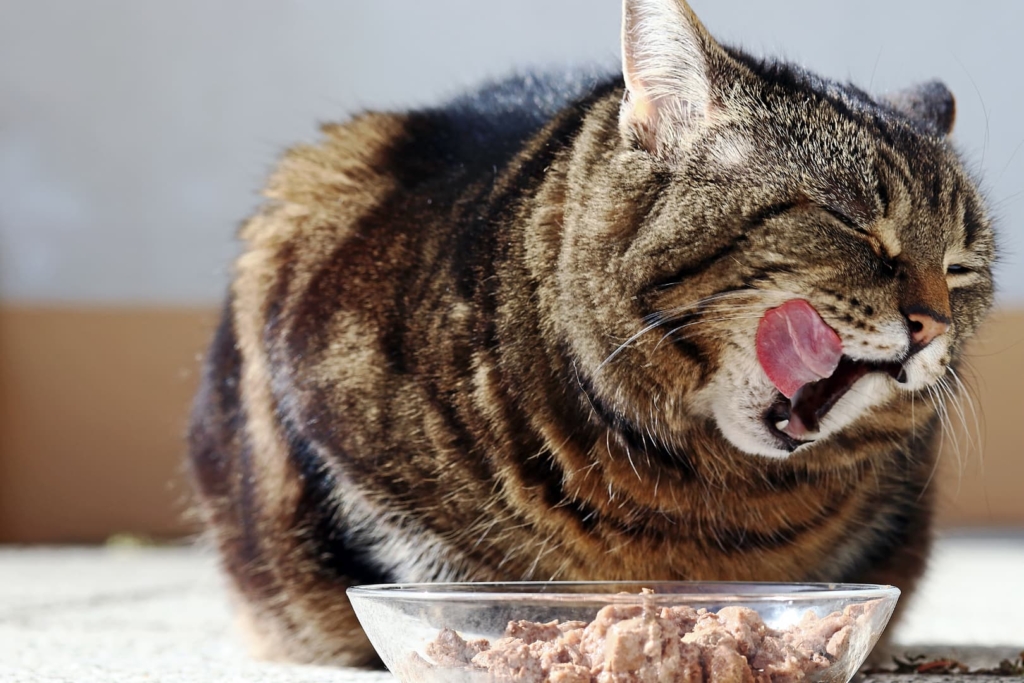
Constant hunger in cats: what it means (feline polyphagia)
Feline polyphagia is defined as excessive consumption of food due to an increase in appetite. It doesn’t always mean that the cat needs more food, but rather that its body may not be making good use of nutrients or may be receiving altered hormonal signals.
To correctly identify the problem, it’s important to consider all the signs and not just the amount of food they eat.
First steps to understanding increased appetite in cats
Before considering a single cause, we must look at the context of the increased appetite. In clinical practice, this sign is rarely interpreted in a vacuum. There are three key questions that help guide the diagnosis from the outset and decide whether further tests are needed.
Gaining or losing weight? Here’s how to figure out why
The relationship between appetite and body weight is one of the most useful indicators.
- Eating more and losing weight: this is a particularly essential situation. When a cat increases its food intake but loses weight, the body is usually expending excess energy or not utilizing nutrients properly. In these cases, it’s essential to rule out hyperthyroidism, diabetes mellitus, and digestive processes involving malabsorption.
- Eating more and gaining weight: this is frequently related to a prolonged surplus of calories. This can be influenced by free access to food, frequent treats, low physical activity, or an unstimulating environment. Even so, it’s important to assess whether the weight gain is progressive and whether the cat’s appetite has changed recently.
- Eating more and no change in weight: this may indicate a behavioral problem, food-related anxiety, or the early stages of a disease. In these cases, observing the cat’s progress and monitoring its weight are particularly significant.
Increased thirst and urination? An important sign along with constant hunger
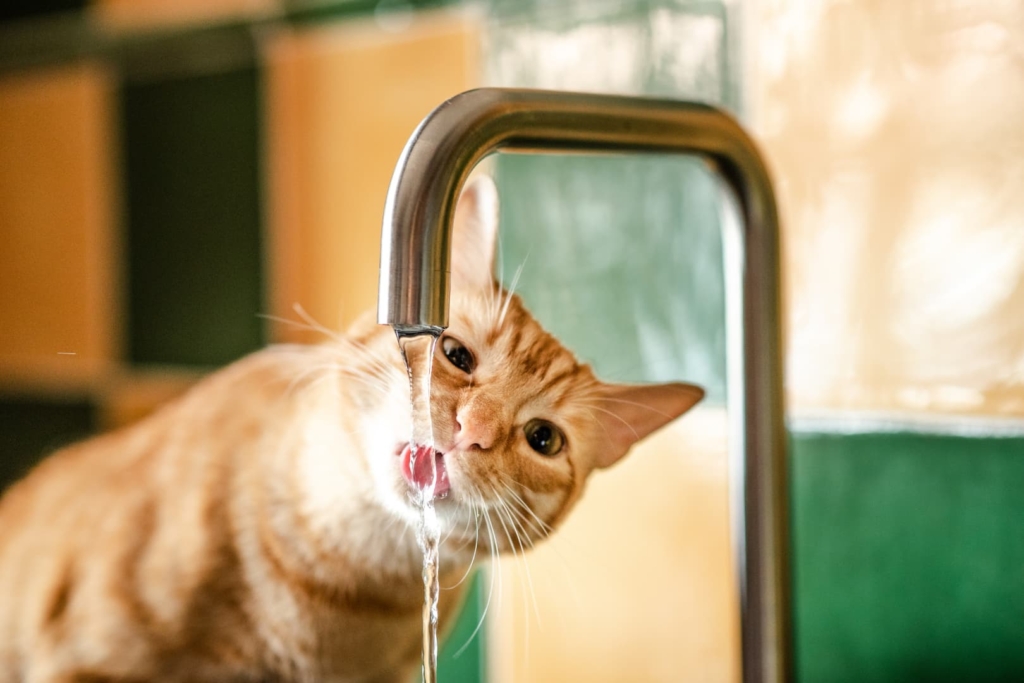
Increased thirst and urination, along with constant hunger, are very indispensable symptoms. It may go unnoticed at home, but it usually shows up as wetter litter boxes, more frequent urination, or increased interest in water sources.
When these signs appear alongside polyphagia, it’s essential to rule out underlying systemic diseases such as diabetes mellitus or hormonal disorders through a veterinary evaluation.
Is this increase in appetite recent or has it always been there? Why that matters
A cat that has always had a hearty appetite since it was young is not the same as a cat whose eating habits change significantly over a period of weeks or months.
- Sudden or gradual changes in appetite always warrant attention.
- In adult and senior cats, these changes can be the first sign of silently developing diseases.
Identifying when the problem began helps differentiate behavioral causes from medical conditions and establish an appropriate diagnostic plan.
Endocrine causes of polyphagia in cats
Feline hyperthyroidism: the reason for constant hunger
Hyperthyroidism is the most common endocrine disease in cats older than 10 years. It’s caused by an overproduction of thyroid hormones, which speeds up their metabolism.
Hyperthyroidism: Why appetite increases
The body consumes energy at a faster rate, which leads to:
- Significant increase in appetite.
- Progressive weight loss.
- Increased metabolic activity even at rest.
Symptoms of hyperthyroidism in cats (in addition to increased appetite)
- Weight loss despite increased appetite.
- Hyperactivity or restlessness.
- More frequent meowing.
- Recurrent vomiting.
- Poorer coat quality and reduced grooming.
The treatment is tailored to each patient according to their age, general health, and any concurrent illnesses.
Feline diabetes: constant hunger and associated signs
Diabetes mellitus is another common cause of polyphagia, especially in cats that are overweight or lead a sedentary lifestyle.
Diabetes: why your cat is hungrier
Even when they eat, glucose does not enter the cells properly. The body interprets this as a lack of available energy and responds by increasing appetite.
Symptoms of diabetes in cats: thirst, urination, and weight loss
- Constant hunger.
- Increased thirst and urination.
- Weight loss.
- Progressive weakness.
In numerous instances, early diagnosis and proper management can lead to remission of the condition, reducing or even eliminating the need for insulin under veterinary supervision.
Digestive causes and malabsorption: overeating without absorbing nutrients
When the intestine does not digest or absorb nutrients properly, the cat may eat a lot without meeting its energy needs.
IBD in cats: intestinal inflammation and increased appetite
Inflammatory bowel disease (IBD) causes chronic inflammation of the intestinal lining, which interferes with nutrient absorption.
It may be accompanied by:
- Recurrent vomiting.
- Diarrhea or loose stools.
- Weight loss.
- Variable appetite, sometimes increased in severe cases.
Intestinal parasites: why they can cause excessive hunger
Parasites such as Giardia or intestinal nematodes can cause poor absorption and increased appetite, even in indoor cats.
It’s crucial to have proper deworming routines and to do fecal tests when there’s reason to suspect an infection.
Intestinal tumors and polyphagia: when to suspect them
Intestinal tumors, especially intestinal lymphoma, can alter absorption and cause polyphagia with weight loss.
Treatment depends on the type of tumor and includes chemotherapy, surgery, or palliative management, depending on the case.
Exocrine pancreatic insufficiency: polyphagia and malnutrition
In this disease, the pancreas does not produce enough digestive enzymes, leading to poor digestion and malnutrition.
Management is based on pancreatic enzymes with each meal, an easily digestible diet, and vitamin supplementation.
Veterinary tests if your cat eats a lot: blood tests, urine tests, and ultrasound scans
The diagnostic approach is gradual and tailored to each individual:
- Detailed medical history and physical examination.
- Blood and urine tests.
- Abdominal ultrasound in cases of weight loss or persistent digestive symptoms.
- Specific tests based on initial findings.
Not every cat needs to have all of these tests done from the start.
What to do at home if your cat eats too much: steps and recommendations
- Do not assume that it’s just a behavioral issue.
- Avoid increasing food portions without consulting your veterinarian.
- Observe and document changes objectively.
- Trust in a progressive diagnostic process.
- Maintain stable routines and a calm environment.
- Keep track of weight.
When to visit the veterinarian if your cat is constantly hungry
Although in some cats increased appetite may be due to lifestyle or routine factors, there are situations that warrant an immediate veterinary appointment.
It’s a good idea to consult your vet if increased appetite is accompanied by:
- Weight loss, even if the cat is eating more than usual.
- Increased thirst and urination, or changes in litter box use.
- Repeated vomiting, especially if it’s frequent or persistent.
- Chronic diarrhea or soft stools that do not return to normal.
- Behavioral changes, such as restlessness, lethargy, irritability, or excessive meowing.
- Deterioration of coat condition, reduced grooming, or unkempt appearance.
- Weakness, fatigue, or reduced ability to exercise.
In adult and senior cats, any prolonged change in appetite warrants evaluation, even if the animal appears to be well. Many diseases begin with subtle signs, and early diagnosis allows treatment to begin before complications arise.
Consulting your veterinarian early does not imply that the problem is serious, but it helps rule out possible medical causes and allows you to make decisions with greater peace of mind.
Balmesvet: veterinary hospital for cats in Barcelona (polyphagia and appetite)
At Balmesvet, a leading veterinary hospital in Barcelona, we address appetite difficulties using a clinical approach that respects the emotional well-being of cats. Our team assesses each case individually, applying Fear Free and Cat Friendly protocols to reduce stress during each visit.
If you are worried that your cat is eating too much and is always hungry, you can contact our team for a personalized assessment.
We look forward to seeing you at Calle Balmes 205, 08006, Barcelona. We are here to help you.
Balmesvet Veterinary Hospital
| Information | |
| Address | Carrer Balmes 205, 08006 Barcelona |
| Parking | Balmes 200 (30 min visits; up to 1 hour emergencies) |
| Phone | 931 173 173 |
| atencioclient@balmesvet.com | |
| Consultations | 8:30–20:00 |
| Emergency/Hospitalization | 24/7 |
Can we help you? Call us or make an appointment. 24/7 emergency services available.

 Barcelona, C/ Balmes nº 205
 931 173 173
 info@balmesvet.com