


- Balmesvet Admin
- November11,2025
- 7421
- 0
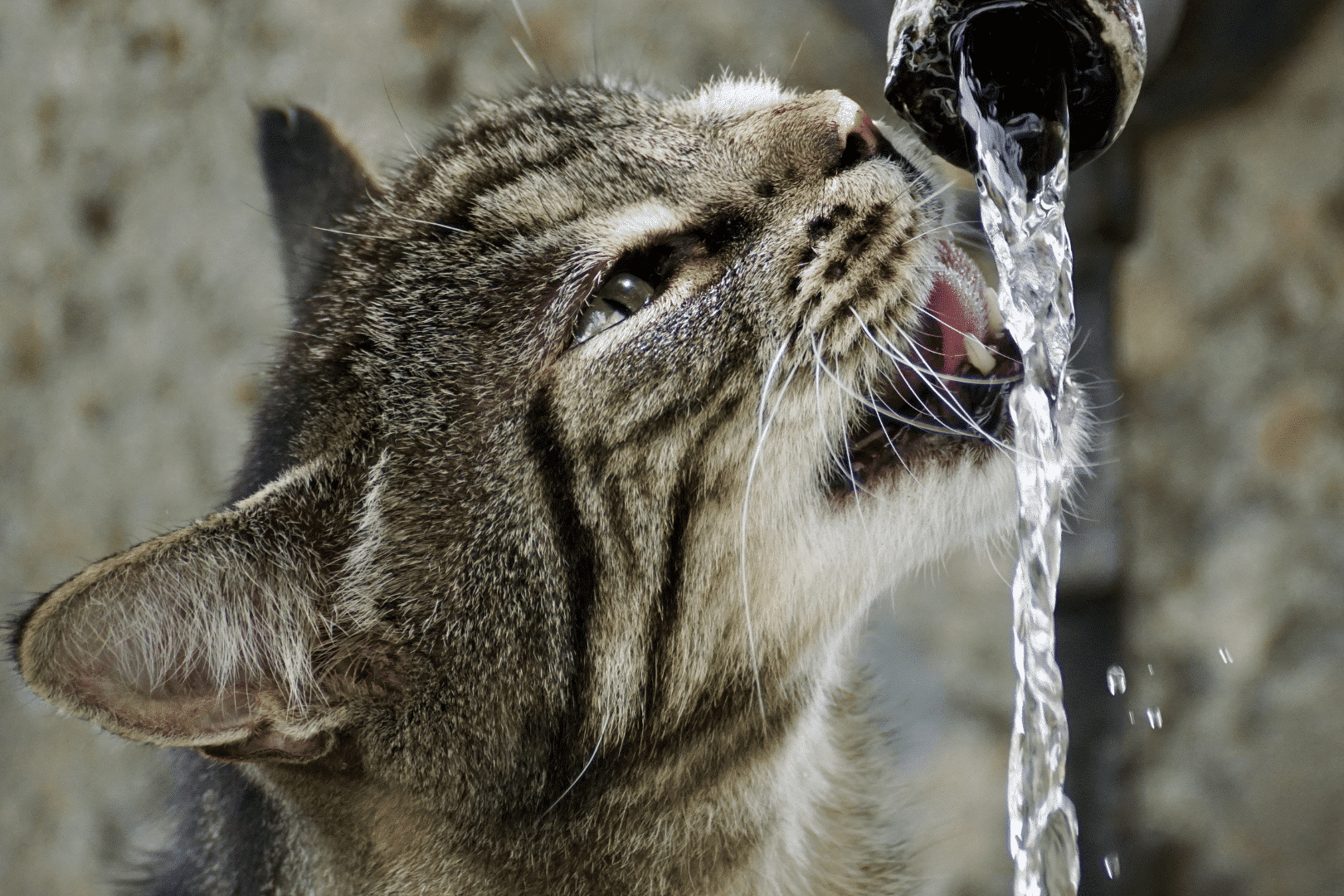
Water is an essential nutrient for your cat’s life. Their body is made up of 60–70% water, which is essential for vital functions such as temperature regulation, digestion, circulation, and the elimination of toxins through urine. However, many cats tend to drink less than they should, which can lead to serious health problems.
At Balmesvet, we often see cats that come to the clinic with signs of dehydration or conditions related to insufficient fluid intake. That’s why we want to explain the consequences of not drinking enough water and when you should pay special attention to your feline companion’s hydration.
Consequences of insufficient water intake in cats: kidney, urine, and well-being
- Chronic kidney disease: dehydration forces the kidneys to work harder and leads to long-term kidney damage
- Urinary problems: such as feline idiopathic cystitis or the formation of crystals and stones. An increase in urine concentration irritates the bladder and can clog the urinary tract.
- Acute kidney failure: in severe cases, lack of hydration can lead to sudden kidney failure.
- Constipation: lack of water hinders intestinal transit and hardens stools.
- Reduced elimination of toxins: the body cannot effectively purify toxins.
- Decreased appetite and general well-being: a dehydrated cat may appear listless, showing lower levels of activity and physical endurance.
How much water does a cat need per day? A guide based on weight and diet type
As a reference, a healthy cat should consume about 50 ml of water per kilogram of body weight per day (approximately 1 cup of water for a 4.5 kg cat), including the water obtained from its diet.
Indicative examples of daily consumption (by weight)
- 3 kg → ~150 ml/day
- 4 kg → ~200 ml/day
- 5 kg → ~250 ml/day
How does a wet or dry diet affect hydration?
- Wet diet (≈70–80% water): cats get a lot of water from their food, so they will drink less from their bowl.
- Dry food (≈6–10% water): provides little water, so your pet will need to drink more to meet its daily requirements.
Why it matters: More moisture, better urinary health
More moisture in the diet increases total water intake, dilutes urine, and reduces the risk of crystals (such as calcium oxalate). That is why adequate hydration is a key strategy in feline urinary health.
Practical tip: Observe your cat’s usual intake based on its diet and weight, and consult your vet if you notice any sudden changes, excessive thirst, or a significant decrease in urination.

Signs of dehydration in cats: how to detect them in time
- Dry or sticky gums.
- Loss of skin elasticity (when gently pinching the skin on the back of the neck, it takes time to return to its normal position).
- Less frequent urination or absence of urine.
- Lethargy, weakness, or loss of appetite.
When to increase water intake in cats: risk situations
- Chronic kidney disease.
- Feline idiopathic cystitis – or FLUTD – and other urinary tract problems.
- Presence of crystals or stones in the urine.
- Heatstroke or prolonged exposure to high temperatures.
- Diseases that cause vomiting or diarrhea.
In these cases, lack of hydration can aggravate the illness and hinder recovery.
How to get your cat to drink more water: practical strategies
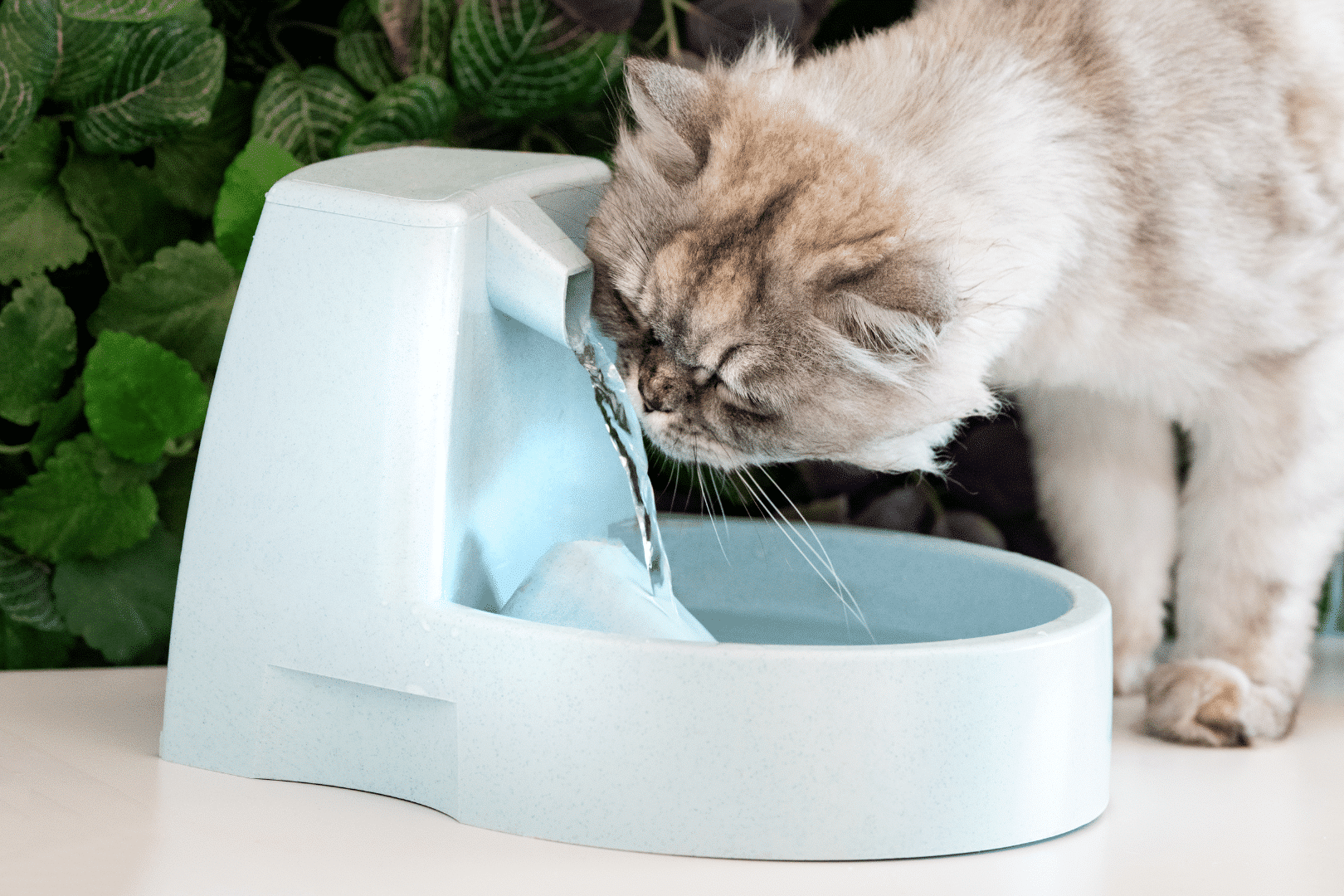
Cats naturally drink very little, and there are several factors that explain this behavior. In our blog How to encourage your cat to drink more, you will find practical and safe strategies to improve their daily hydration.
At Balmesvet we help you: feline hydration and urinary health assessment
If you think your cat isn’t drinking enough water or is showing signs of dehydration, it’s important to act quickly. At our feline hospital, we have a team specializing in feline medicine and a Cat Friendly Clinic Gold certification to assess your cat’s health and offer tailor-made solutions.
Balmesvet – Leading veterinary hospital in Barcelona
📍 Carrer Balmes 205, Barcelona
📞 931 173 173
📧 atencioclient@balmesvet.com
⏰ General appointments: 8:30 to 20:00 h | Emergencies 24 h/365 days
🚗 Free parking (30 min – 1 h) at C/ Balmes 200

 Barcelona, C/ Balmes nº 205
 931 173 173
 info@balmesvet.com