


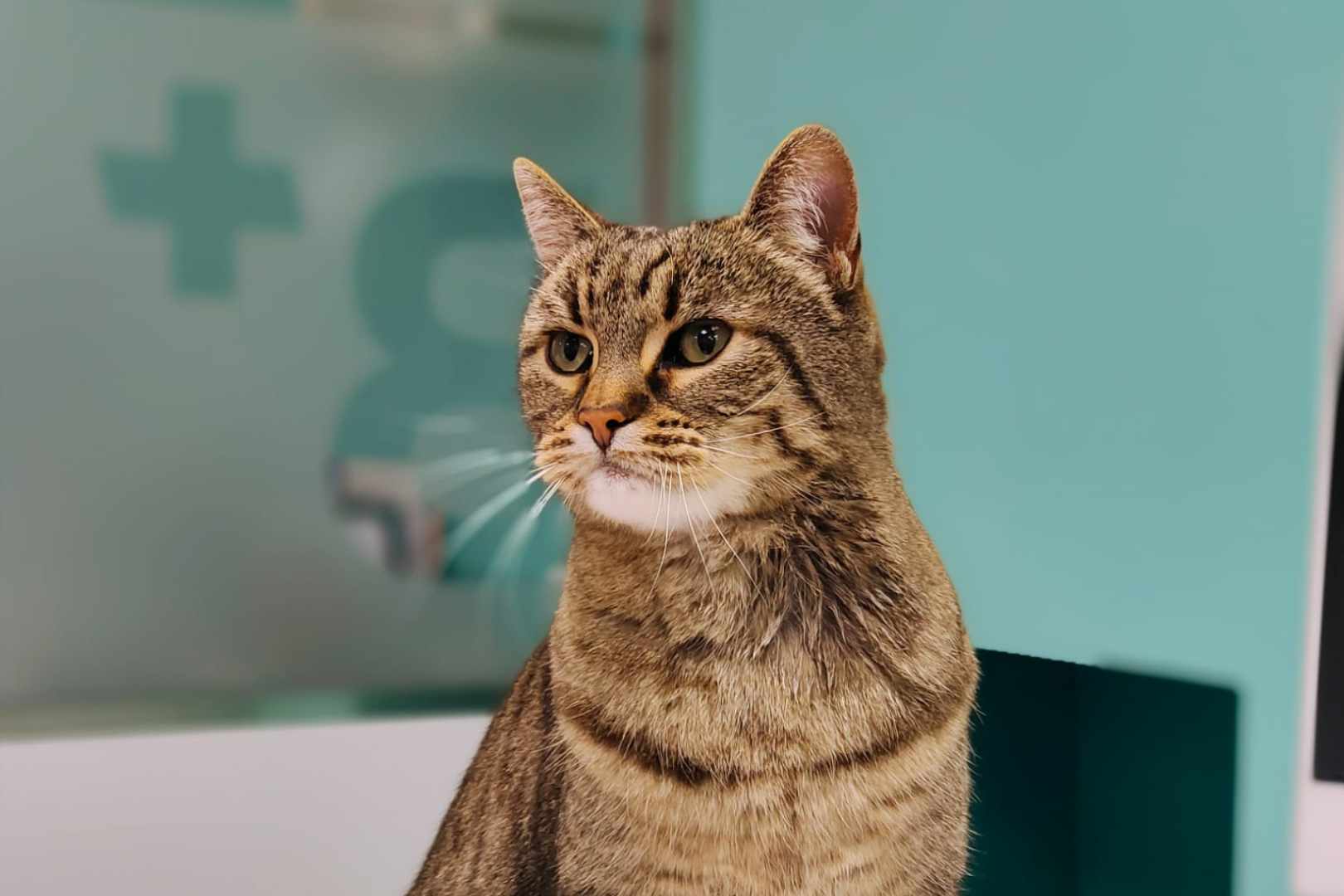
Cats have specific medical, emotional, and handling needs that are clearly different from those of dogs. It’s not a matter of personality or individual preferences, but rather characteristics that are well documented in feline medicine and clinical animal behavior. When these specific needs are not respected, the reliability of the clinical assessment is reduced and the risk of underdiagnosis increases from the very first visit.
Why cats need a veterinary clinic that specializes in their needs
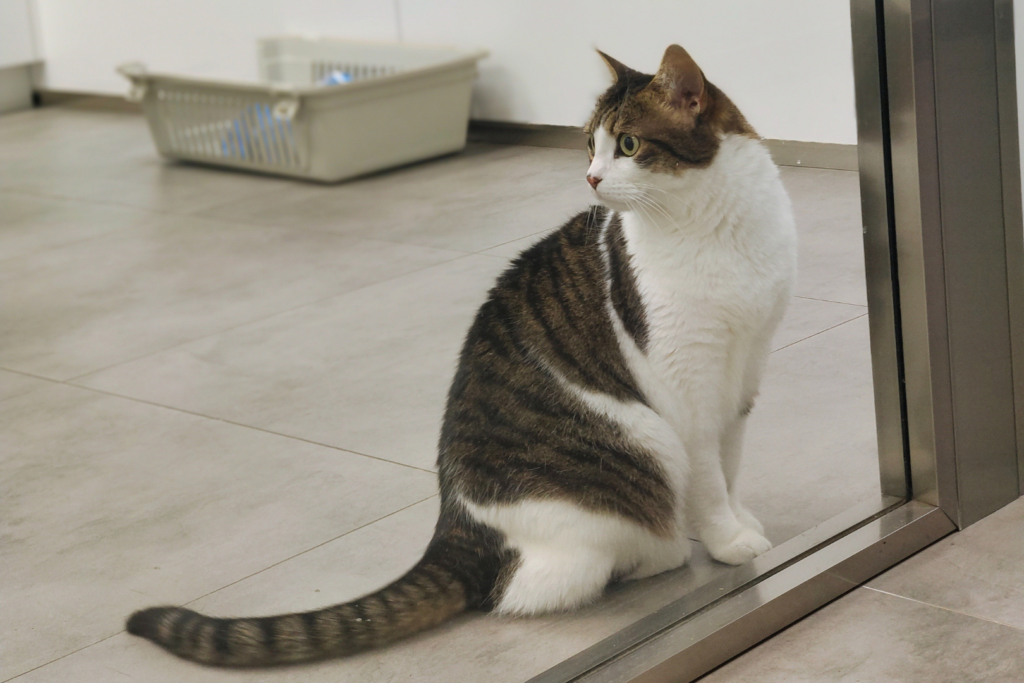
Cats are a species that is particularly sensitive to changes in their environment, unfamiliar stimuli, and physical touch. When faced with situations that cause fear or anxiety, they may freeze, become less expressive, and hide signs of pain or illness, creating a false sense of clinical stability during the consultation.
Many feline illnesses develop slowly and with few obvious symptoms. In stressful environments, this tendency to mask their illness or discomfort is heightened, increasing the risk of late diagnosis. That’s why modern feline medicine advocates the need for spaces, protocols, and veterinary professionals geared specifically towards feline patients.
Stress in cats and veterinarians: why they influence diagnosis and outcome
Stress has a direct clinical impact on cats and affects both the diagnosis and progression of many diseases. Among the most significant consequences are:
- Changes in vital signs and lab results.
- Decreased or loss of appetite during hospitalization.
- Slower recovery and poor wound healing.
- Deterioration of chronic diseases.
Reducing stress is not only a matter of emotional well-being, but also a fundamental clinical tool for improving prognosis and the quality of veterinary care.
Cat-Friendly Clinic vs. Feline Clinic: Real Differences and Why They Matter
Recently, “Cat Friendly” has become a popular concept, but it is not always clear what it actually entails or the extent of its application.
The meaning of Cat Friendly (ISFM): Bronze, Silver, and Gold levels
The International Society of Feline Medicine (ISFM) Cat Friendly Clinic certification is not a single recognition, but is structured into different levels, reflecting the degree to which a veterinary clinic is actually adapted to the needs of feline patients.
Currently, the ISFM establishes three accreditation levels:
- Bronze: recognizes clinics that apply basic measures of respectful handling, reduction of stressful stimuli, and initial training of staff in feline behavior.
- Silver: also includes greater adaptation of the environment, more defined protocols, and more systematic attention to the cat’s emotional well-being.
- Gold: represents the highest level of certification and requires separately designated spaces, advanced handling and hospitalization protocols, and staff with specific and ongoing training in feline medicine.
This classification makes it clear that not all Cat Friendly clinics offer the same level of accommodation. Certification is a valuable benchmark, but its clinical impact depends on the ranking achieved and how it’s actually integrated into their daily practice.
Being Cat Friendly is an important and necessary step, but it doesn’t automatically mean that a veterinary clinic is exclusively cat-oriented or has the highest level of feline specialization.
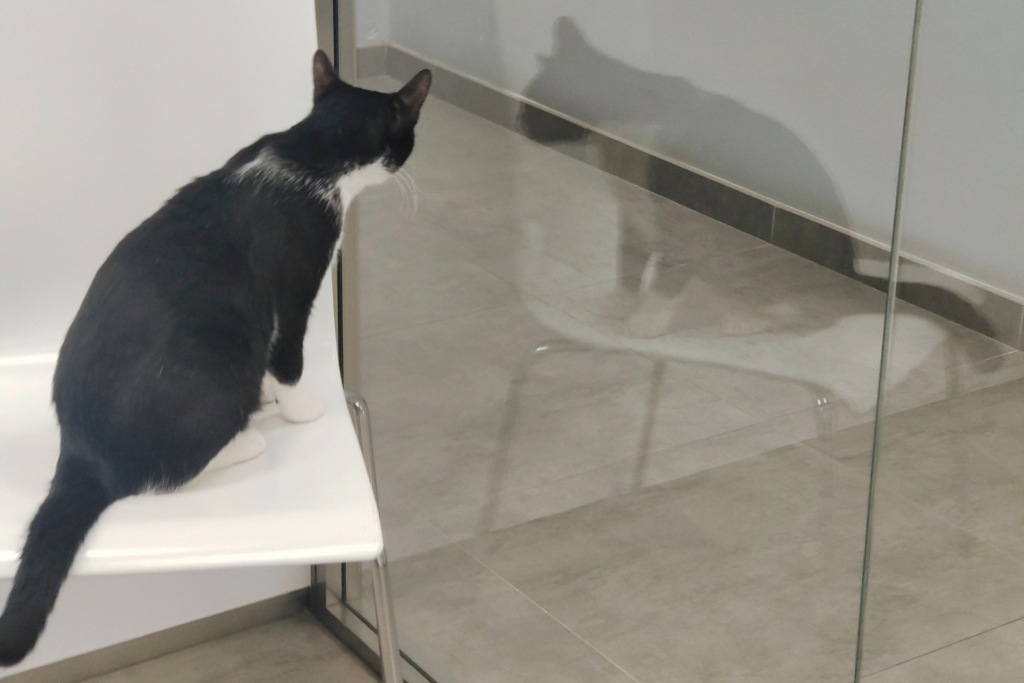
Limitations of a general clinic “adapted” to cats
Many general clinics implement Cat Friendly measures within an environment also shared with dogs. This is an essential and necessary step forward, but it only represents a starting point. This can lead to significant limitations:
- Mixed waiting rooms.
- Shared hospitalization.
- Noise, odors, and stimuli that are difficult to control.
Even with adaptations, the environment is still not fully predictable or safe for many cats.
What defines a truly feline veterinary clinic (spaces and protocols)
A veterinary clinic that is truly cat-oriented goes beyond minor adaptations and is characterized by an organization, spaces, and protocols designed specifically for felines. In practice, this description corresponds to the criteria required by the ISFM for the Gold level of Cat Friendly Clinic certification.
Its main features include:
- Exclusive spaces for cats.
- Separate routes from the moment they enter.
- Separate hospitalization and ICU for cats.
- Clinical protocols designed specifically for feline patients.
The goal is to provide consistent, continuous, cat-centered care throughout all stages of the treatment process, from the first visit to hospitalization or long-term follow-up.
Designing a veterinary clinic for cats: spaces that reduce stress
In a veterinary clinic for cats, the design of the space is not merely an aesthetic or secondary consideration. It’s a clinical tool that directly influences the stress level of the feline patient, the quality of the examination, and the progression of many illnesses. Modern feline medicine considers the environment to be an active part of treatment.
The physical environment is one of the pillars of feline medicine. In an urban environment such as Barcelona, with noise and a highly stimulating environment, this aspect takes on even greater clinical relevance.
Entrance, waiting room, and consultation room: how to reduce stressful stimuli
A veterinary clinic for cats should minimize anxiety-inducing factors from the start:
- Separate entrance or direct access to consultation room.
- No dogs or loud noises.
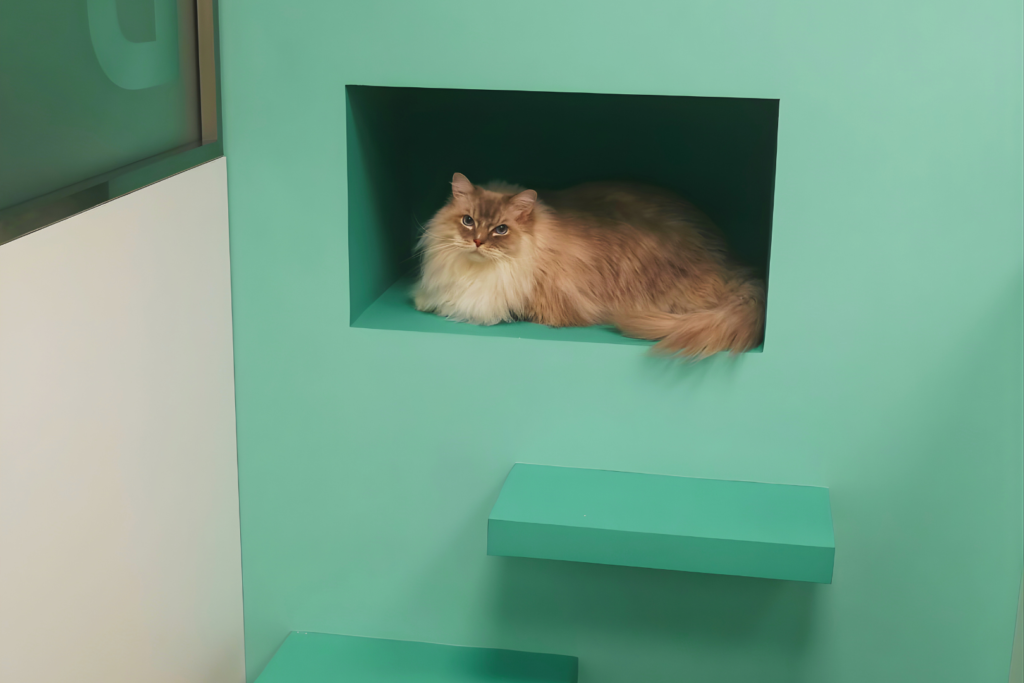
- Colors, lighting, and materials designed to create a calm atmosphere.
Reducing stress from the moment of arrival facilitates more reliable examinations and smoother visits.
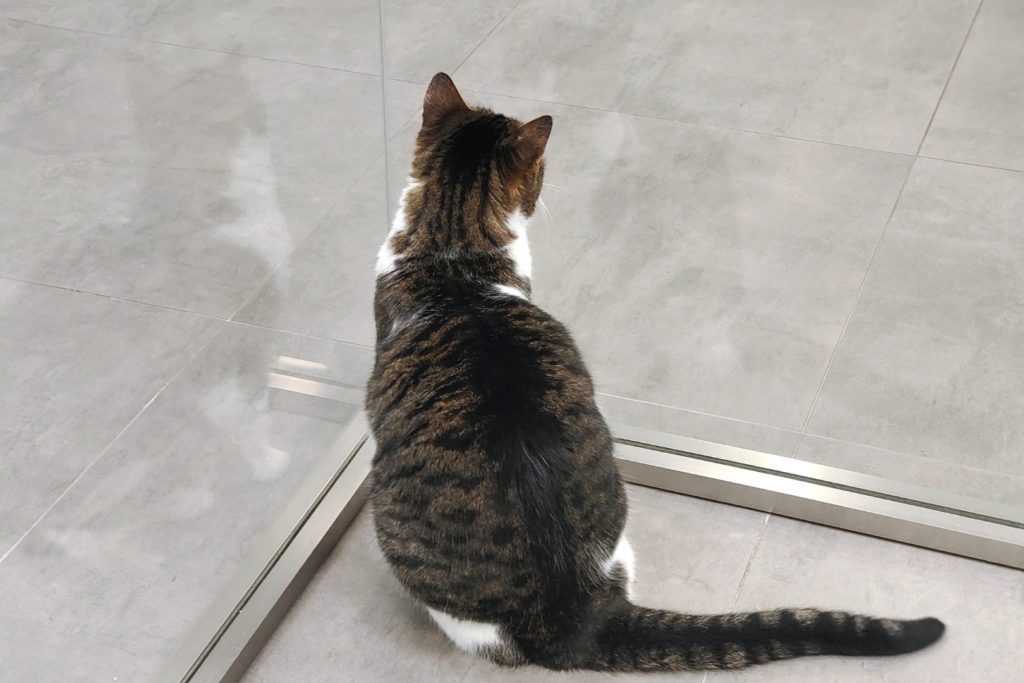
Feline hospitalization: why separating cages is not enough
Hospitalization is one of the most vulnerable times for a cat. Admission into unsuitable environments is associated with an increased risk of anorexia, dehydration, decompensation of chronic conditions, and delays in recovery.
Proper hospitalization for cats must ensure:
- Spaces that allow for separation between rest, feeding, and toileting.
- Real visual privacy and control of the environment.
- Stable conditions in terms of noise, lighting, and temperature.
- Predictable routines and handling tailored to each patient.
When these criteria are met, hospital stress decreases and the response to medical treatment improves significantly.
Feline ICU and critical care: intensive care without unnecessary stress
Cats requiring intensive care need a highly controlled environment from a clinical standpoint, but also one that is emotionally safe. A specially adapted feline ICU allows advanced monitoring to be combined with respectful patient care.
This approach includes:
- Continuous monitoring with minimal interference.
- Procedures performed in the patient’s own space whenever possible.
- Multimodal anaesthesia and sedation for pain control and to avoid fear responses.
- Strict control of external stimuli throughout the hospital stay.
The combination of these elements promotes stability in critically ill patients and reduces complications associated with prolonged stress. Critically ill cats need intensive care without adding unnecessary stress.
Clinical handling of cats in consultations and hospitalization: the key to a good diagnosis
The clinical handling of cats is an integral part of medical practice. In feline medicine, each examination and procedure must be adapted to the emotional and physical state of the patient to obtain reliable clinical information. Handling is an essential part of medical practice in cats.
Respectful physical examination: handling adapted to the cat’s language
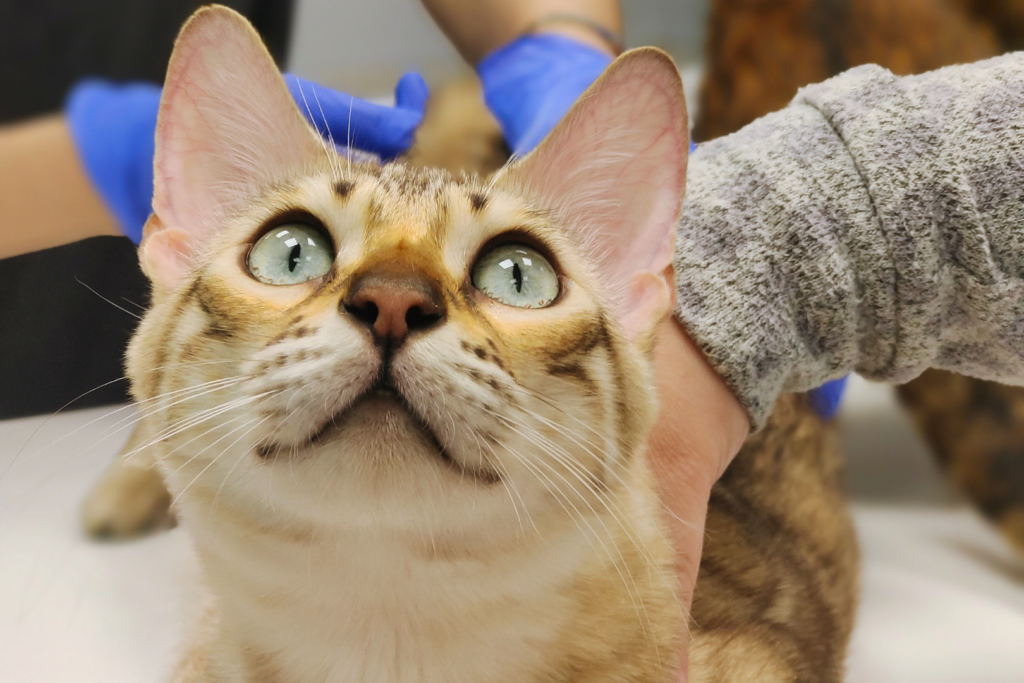
Properly examining a cat involves understanding its body language and adapting the examination to its individual tolerance. The goal is not to get the examination over with quickly, but to obtain reliable clinical information without causing fear or defensiveness.
Adapted handling includes:
- Allow the cat to explore the environment if necessary.
- Adjust the pace of the examination.
- Prioritize observation before physical examination.
- Avoid restraining the cat in a way that compromises the clinical response.
A calm cat allows you to detect subtle signs that would go unnoticed in a stressed patient.
Sedation and pain relief in cats: clinical tools to improve care
Sedation and analgesia are part of responsible feline medicine. When used in a targeted manner, they can reduce fear, pain, and the risks associated with diagnostic or treatment procedures.
Sedation and pain relief should not be considered a last resort, but rather as clinical tools that:
- Improve the quality of examinations and additional tests.
- Increase patient and veterinary team safety.
- Reduce negative memories associated with visits to the vet.
Proper use contributes to a safer and more humane experience for the cat.
The veterinary team at a cat clinic: specific training and experience
The veterinary team is a fundamental pillar in any clinic specializing in cats. Beyond infrastructure and protocols, the quality of feline care depends largely on the specific training of the professionals and their ability to interpret the physical and emotional state of the patient, as well as to communicate clearly and empathetically with the people accompanying them.
Training in feline medicine and behavior: why it makes a difference
Feline veterinary care requires up-to-date knowledge in:
- Cat-specific illnesses.
- Feline pain management.
- Behavior and emotional well-being.
Ongoing training is key to providing high-quality feline medicine.
Communication with cat guardians: the key to reducing stress and improving follow-up
Good communication helps to:
- Reduce anxiety before and after the visit.
- Facilitate treatment follow-up.
- Encourage regular preventive check-ups.
The role of the guardian: the impact on the cat’s veterinary experience
The role of the guardian is key to a cat’s veterinary experience. Preparation before the visit and follow-up care have a direct influence on the patient’s stress levels and the effectiveness of the healthcare they receive. With this in mind, a clinic specializing in cats not only cares for the patient, but also guides and supports the people accompanying them before, during, and after the visit.
How to prepare for a vet visit: carrier, pheromones, and routine
Preparing for the vet visit has a direct impact on how your cat copes with the trip, the appointment, and the journey home. Anticipating this moment and reducing stress factors facilitates a more reliable examination and a more positive experience for everyone.
Before coming to the clinic, we recommend:
- Prepare transportation in advance, using a stable, clean, well-ventilated carrier that is familiar to the cat. Leave it out in the house a few days before the visit, with a blanket or familiar item of clothing inside, to help reduce the feeling of danger.
- Apply synthetic feline pheromones to the carrier and blanket a few hours before travel, whenever indicated, to promote a calmer state during the journey and waiting time.
- Consider prior anti-anxiety medication when the cat shows a high level of fear or has had previous negative veterinary experiences. This decision should always be made under veterinary guidance and tailored to each patient.
- Avoid unnecessary handling before leaving home, maintaining a calm and unhurried routine that may further agitate the cat.
- Provide clear information to the veterinary team before the consultation, including changes in behavior, appetite, elimination, current medication, or relevant history. This allows for optimization of the visit time and adaptation of management from the outset.
Good preparation not only reduces stress for the cat but also improves the quality of the clinical examination and helps make veterinary visits more bearable in the long term.
Returning home after an appointment or hospital stay: adaptation and living with multiple cats
Returning home is a particularly delicate phase for cats, since it involves readjusting to their environment after an experience that may have been stressful, even when the veterinary care they received was adequate and respectful.
After the visit or hospitalization, it’s recommended that you:
- Provide a calm and predictable environment, allowing the cat to have access to its usual resources (rest, food, litter box) without interruptions or unnecessary disturbances.
- Respect its adaptation time, avoiding forcing contact or interaction. Some cats need a few hours, others several days, to return to their usual behavior.
- Take extra precautions in homes with multiple cats, since the change in smells after the visit can cause rejection, tension, or conflict. In these cases, it may be necessary to carry out a gradual and supervised reintroduction.
- Follow the guidelines indicated by the veterinary team, both in terms of medication and specific care, feeding, or temporary activity restrictions.
Appropriate support during this phase helps reduce post-visit stress, promotes recovery, and helps maintain a balanced home environment, especially in multi-cat households.
A veterinary hospital for cats in Barcelona: the benefits of specialized care
Choosing a veterinary hospital for cats in Barcelona with a specialized approach makes a significant difference in the care of feline patients, especially when it comes to complex cases, chronic diseases, or situations that require long-term follow-up. The combination of specialization, infrastructure, and clinical coordination allows for more precise, continuous care that is tailored to your cat’s real needs.
Feline specialties all in one place: comprehensive and coordinated care
A veterinary hospital specializing in cats allows medical care to be centralized in a single location, avoiding unnecessary travel and reducing the stress associated with external referrals.
Having different feline veterinary specialties in the same center allows for:
- A comprehensive and coordinated approach to complex cases requiring the involvement of several specialists.
- Direct communication between professionals, improving clinical decision-making.
- Advanced diagnostic tests performed without delay, which is particularly important in cats, where symptoms are often difficult to detect.
- A more stable experience for the patient, who remains in a familiar environment suited to their species.
In a city like Barcelona, where the pace of life and commuting can be an additional source of stress, having a leading feline hospital contributes significantly to well-being and quality of care.
Monitoring chronic diseases in cats: consistency and stability
Chronic feline diseases, such as kidney disease, endocrine disorders, heart disease, or digestive disorders, require a long-term approach based on consistency and stability.
A veterinary hospital for cats with a specialized approach offers key advantages in these cases:
- Individualized follow-up plans, tailored to the cat’s clinical progress and character.
- Check-ups designed to minimize feline stress, resulting in more reliable test results and more thorough examinations.
- Possibility of tailored feline hospitalization when necessary, without interrupting the care routine.
- Constant support for guardians, helping them understand the disease and monitor treatment at home.
A calm and predictable clinical environment, together with a team accustomed to handling cats, helps reduce complications, improves the cat’s quality of life, and promotes a more fluid relationship between the veterinary team and the people accompanying the cat.
Geriatric and chronically ill cats: tailored veterinary care and early detection
Cats are living longer than ever before, and with that, chronic conditions and geriatric patients are on the rise. In these cases, choosing a veterinary clinic that specializes in cats is especially important.
Senior cats: customized visits and early detection of diseases
Senior cats undergo progressive and, in numerous instances, silent changes. A feline clinic should adapt visits to:
- Minimize the stress associated with frequent checkups.
- Enable thorough examinations without straining the patient.
- Detect kidney, endocrine, joint, or cardiovascular diseases early on.
A calm environment and respectful handling allow you to identify subtle signs that go unnoticed during stressful visits. If you are interested in learning more about one of the most common changes in senior cats, you can check out our blog on older cats who lose weight or eat less.
Cats with chronic illness: clinical follow-up and emotional stability
Chronic diseases require long-term management. A cat’s emotional stability directly influences its response to treatment and quality of life.
A veterinary clinic for cats should offer:
- Individualized follow-up protocols.
- Adapted hospitalization when necessary.
- Clear and constant communication with guardians.
This approach promotes adherence to treatment and reduces avoidable health complications.
How to choose a veterinary clinic for cats: the impact on health, diagnosis, and quality of life
Choosing a veterinary clinic tailored to cats not only improves the consultation experience, but also has a direct impact on prevention, early diagnosis, and the progression of many feline diseases. Cats that receive care in environments designed specifically for them tend to have more regular preventive check-ups, which facilitates early detection of conditions and allows action to be taken before the disease has progressed.
In addition, veterinary care that considers the emotional well-being of the cat leads to more reliable examinations, more accurate diagnostic results, and a better response to treatment. In the long term, this translates into more consistent clinical follow-up, less stress associated with visits, and a better quality of life, especially for geriatric cats or those with chronic diseases.
Feline medicine at Balmesvet: a cat-focused clinical approach (ISFM Gold)
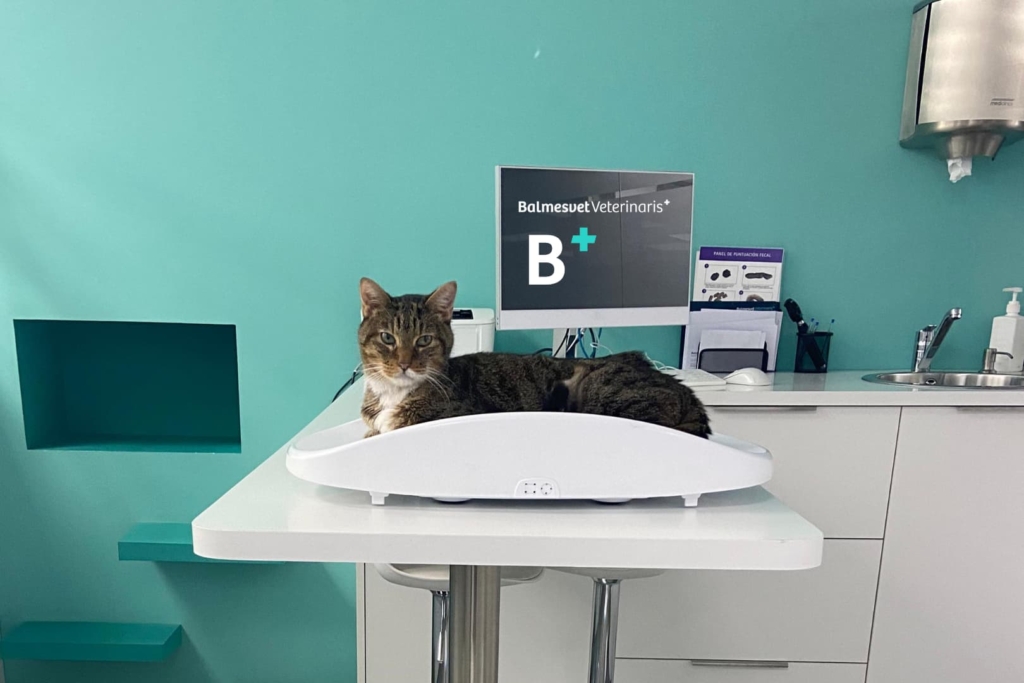
At Balmesvet, Barcelona’s specialist cat center certified as a Gold Clinic by the ISFM, feline medicine is approached from a clinical perspective that places the emotional and physical well-being of the cat at the center of every stage of its care. Our feline hospital has exclusive spaces, adapted hospitalization and feline ICUs, Fear Free and Cat Friendly protocols, and a veterinary team with specific training in feline medicine and behavior.
The entire care process is designed to reduce stress, enable more accurate diagnoses, and support guardians with accessible and understandable information. Committing to veterinary care that is truly cat-oriented is, ultimately, an investment in their well-being and in continuous, more effective, and less stressful veterinary care.
Do you need a feline medical evaluation? Specialized care for cats in Barcelona
At Balmesvet, we run a leading feline hospital in Barcelona, specializing in feline medicine and offering more than ten veterinary specialties. We have a veterinary emergency service and laboratory operating 24 hours a day, as well as advanced diagnostic imaging and CT scans. This multidisciplinary approach allows us to handle everything from preventive checkups to complex cases with coordinated care tailored to the specific needs of each cat.
We look forward to seeing you at Calle Balmes 205, 08006, Barcelona. We are here to help you.
Balmesvet Veterinary Hospital
| Information | |
| Address | Carrer Balmes 205, 08006 Barcelona |
| Parking | Balmes 200 (30 min visits; up to 1 hour emergencies) |
| Phone | 931 173 173 |
| atencioclient@balmesvet.com | |
| Consultations | 8:30–20:00 |
| Emergency/Hospitalization | 24/7 |
Can we help you? Call us or make an appointment. 24/7 emergency services available.


 Barcelona, C/ Balmes nº 205
 931 173 173
 info@balmesvet.com