


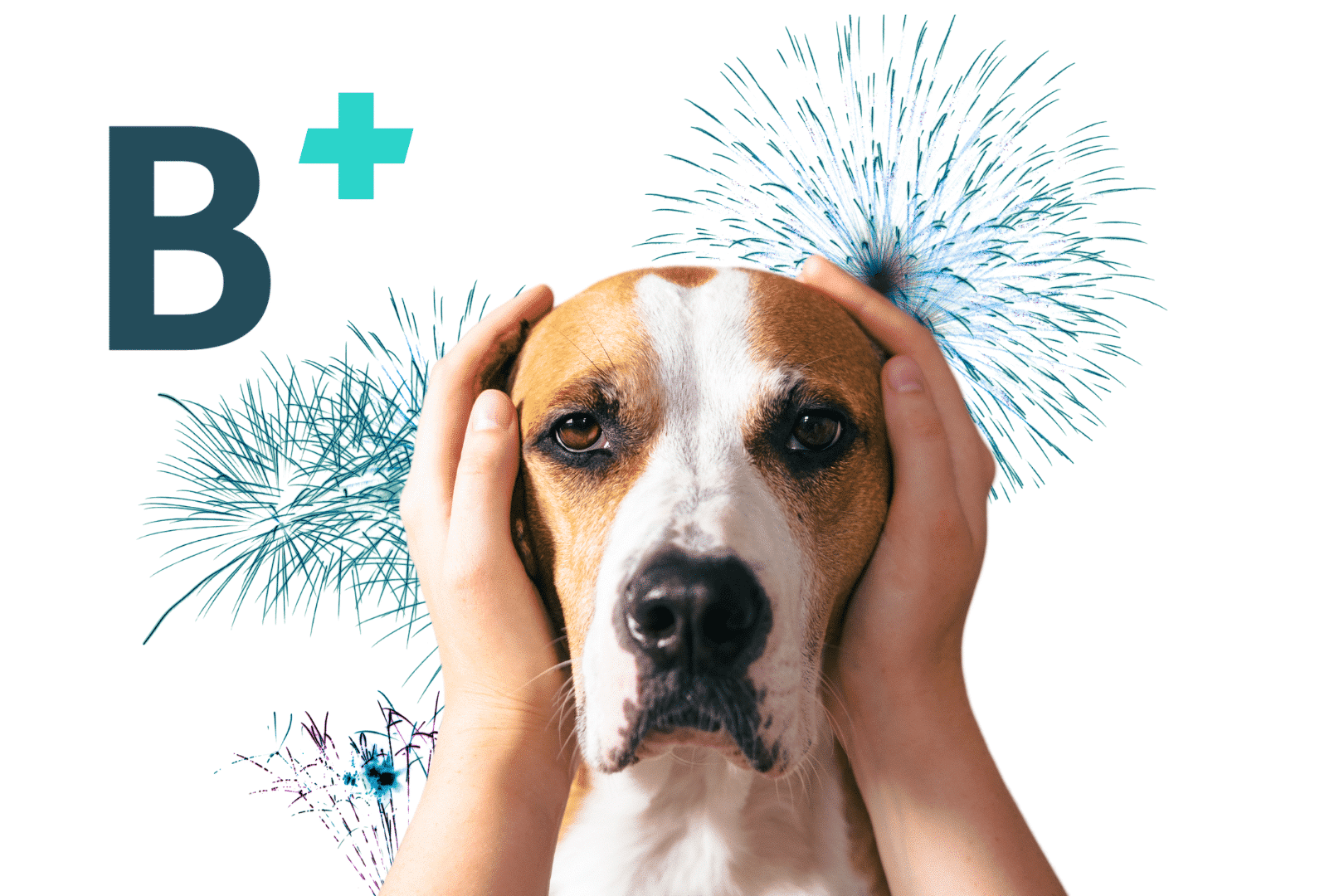
For us, firecrackers and fireworks can be fun entertainment with sounds, lights, and colors, but dogs associate loud noises with danger, and for a dog it can be a stressful experience, which in some cases can be very frightening.
A phobia of firecrackers and fireworks is an emotional disorder characterized by an intense and disproportionate fear of these types of noises. This behavior is very common in dogs and must be treated to prevent them from suffering.
Unfortunately, every year our emergency veterinarians see dogs and cats that have been involved in accidents after being startled. Dogs may try to run away, escape from home, jump out of windows, get lost, or cross busy roads.
In addition, when a dog is stressed, it can develop health and behavioral problems such as inappropriate urination, aggression, destructive behavior, excessive salivation, vomiting, or loss of appetite.
What concepts should you know?
Fear: an adaptive response with a significant emotional component that arises in situations that are perceived as threatening. This response allows us to move away from or protect ourselves from harmful stimuli. It is a proportionate response to the intenseness of the stimulus and is a normal part of life. If threatening stimuli are perceived frequently, our ability to adapt may be impaired and we may suffer from chronic stress.
Phobia: persistent and excessive fear of a specific stimulus. It is a disproportionate response to the severity or threat posed by the triggering stimulus. Phobias can alter a dog’s normal behavior when the stimulus appears or when it senses that it may appear.
Panic: extreme and uncontrolled reaction of fear. The dog is beside itself. It can be very destructive or aggressive when trying to get away from whatever is causing its panic and may even injure itself.
How does a dog with a phobia behave?
The most common behaviors exhibited by dogs with a phobia of firecrackers or thunder are:
- Physical expression of fear: trembling, accelerated breathing, ears pulled back, body crouched against the floor, tail tucked between the legs, tense body, etc.
- Nervousness: they may pace around the house without stopping.
- Attempt to escape.
- Hiding under the sofa or bed.
- Scratching doors or the floor.
- Vocalizations: crying or moaning.
- Elimination of urine or feces in the house.
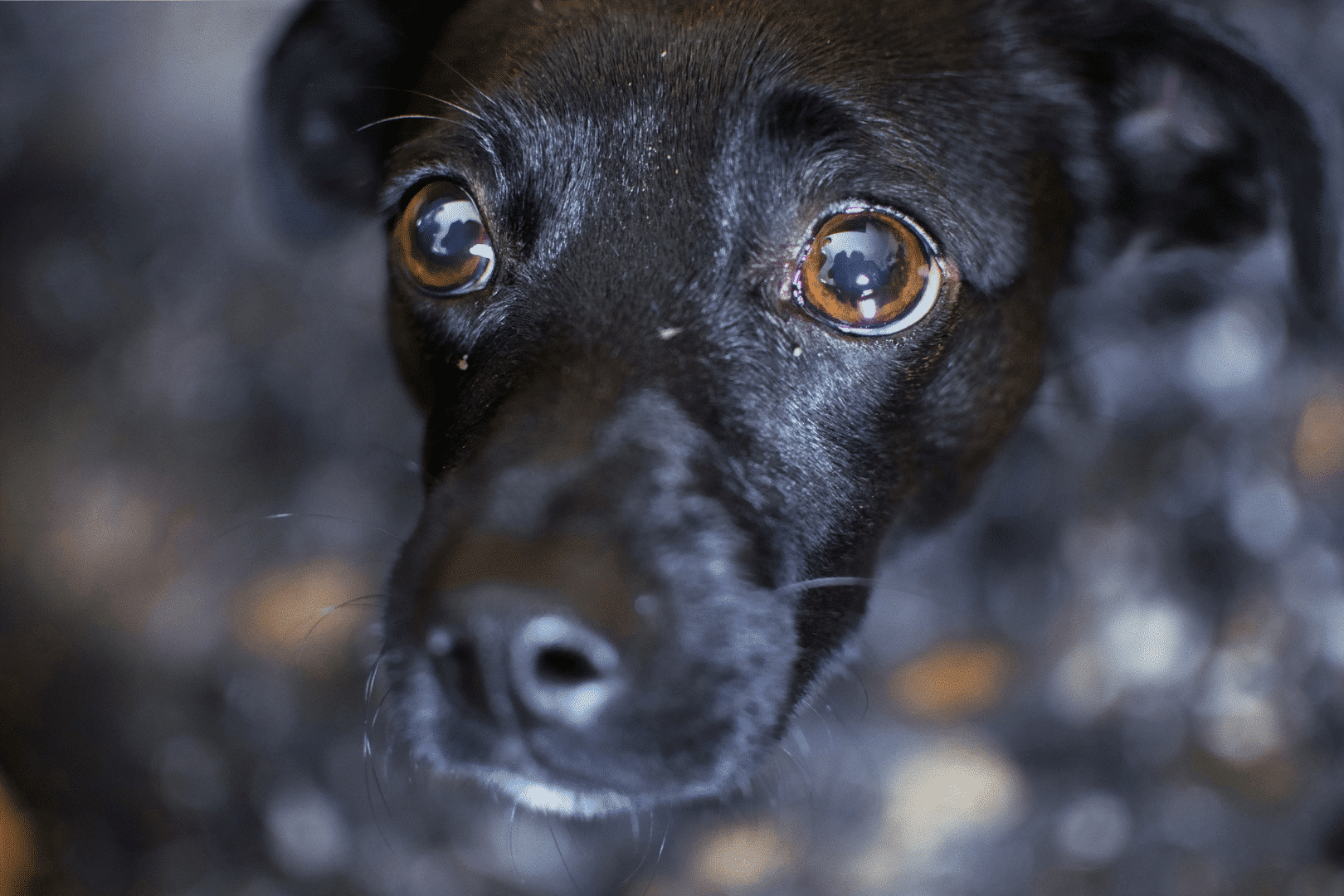
What can you do to protect your dog from the fear of firecrackers?
We understand how stressful it can be for your dog to deal with the noise of firecrackers and fireworks. Here are some tips to help your canine companion feel safer and calmer during these situations.
- Close doors, windows and lower blinds: Before the noises start, be sure to close the windows and lower the blinds. This will not only keep the flashes of fireworks out of your dog’s field of vision, but will also reduce the noise coming into your home.
- Keep the house dimly lit: keeping the house dimly lit or a little dark can create a calmer environment for your dog, helping them feel more secure.
- Comfort and petting: when your dog shows signs of fear or phobia, such as trembling, trying to escape or scratching at doors, offer petting and support when they come to you for comfort. Fear is an emotional state that is not negatively reinforced by comforting your dog, so it is helpful to be supportive and calm at these times.
- Create a super cozy haven: ideally, set it up in their favorite resting place, with blankets and bedding. Include their favorite toys or other distractions, such as a teether or treats.
Make sure your dog can’t hurt itself if it becomes frightened. Even the calmest dogs can suddenly seek shelter, so it is important that the environment is safe. Keep windows and balconies closed.
- Background noise: Increase background noise with television or radio. Playing music at a medium volume, especially music your dog is used to, can help mask outside sounds.
- Act normal: acting normal is more beneficial than over-reassuring your dog. If you appear worried, your dog may think there is a reason to be worried. Avoid yelling at them if they are nervous or destructive due to stress, as this will only increase their anxiety. If they are not too frightened, try to distract them with games.
- Let them hide: allow your dog to hide in a place where they feel comfortable. Provide a safe and comfortable hiding place, preferably in an interior room and as soundproof as possible. Make sure they can hide under or behind something if they need to without hurting themselves.
- New safe zone: create a new safe zone for your dog, which is useful to manage noise phobias. It can be a carrier without a door or a large crate, that they do not associate with their fear. Place their bed, blankets and toys in the shelter. Familiarize them with the place beforehand by showing them around, playing with them and offering edible treats, and always keep the space accessible without forcing them to stay there.
- Treats and distractions: If your dog stays quiet during the noises, reward them with a treat. Use treats and toys to distract them from the noise if they are receptive.
- Caution on walks: choose the place and time of the walks. Avoid plazas or parks where you think there may be more pyrotechnics and try to go out at times when there are less crowds.
- Keep your dog indoors: if you have a balcony, terrace or yard, make sure your dog is inside before the noises start. Get their attention with food and make sure doors and windows are tightly closed.
- Microchip: make sure your dog has a microchip and that the data is up to date so that they can be returned to you more easily if they get lost.
- Don’t leave them alone: if possible, avoid leaving your dog home alone during fireworks. Your presence can help calm them and give them a sense of safety and security.
- Tight clothing: The effect of gentle pressure has been shown to help dogs that suffer from anxiety. This shows that the use of a compression method can promote relaxation in dogs facing situations that are difficult for them.
- Presence of other dogs: The presence of other dogs in the house reduces the phobic dog’s cortisol and makes it less reactive to noise stimuli.
By following these tips, you can help your dog feel safer and less stressed during times of intense noise, such as firecrackers and fireworks. Remember that behavior modification therapies are the basis for the treatment of phobias, they must always be in the hands of a professional and have to be adapted to each case. The most successful procedure to alleviate the effects of phobias involves a lot of patience, time and perseverance.
Pheromones and supplements
- Nutraceuticals: These help in therapies, especially Theanine (Anxitane), Alpha-casocepin (Zilkene) and Tryptophan (Adaptil), and are additional in the treatment of behavioral problems related to anxiety, fear or aggression.
- Pheromones: products containing canine calming pheromones. These pheromones are chemical substances that female dogs emit during lactation to calm and soothe their puppies. We can find them in various formats,such as collars, diffusers and sprays.
Administering medication
By law, according to the Royal Decree 666/2023, of July 18, which regulates the distribution, prescription, dispensation and use of veterinary medicines, it is not allowed to provide medicines without being a part of a treatment in a veterinary visit.
Pharmacological treatment: always under veterinary supervision
In more severe cases, where fear of noise causes considerable suffering, the use of medication can be a useful tool in a dog’s emotional management plan. There are different types of drugs that can help reduce anxiety or prevent panic attacks, but their use should always be prescribed by a veterinarian after an evaluation, and on a case-by-case basis.
Prescription options include:
- Medication with anti-anxiety or sedative effect, indicated to alleviate acute fear associated with loud noises. In some cases, it is given immediately before the distressing event.
- Drugs that reduce anxiety progressively, especially useful when treatment is started several days before the stressful situation.
- Extended use options, recommended for dogs with long-standing phobias or chronic sensitivities, requiring preparation weeks in advance.
- Additional treatments, which help regulate the emotional response on a case-by-case basis.
It is important to note that these treatments should be tried for the first time in a relaxed environment, with the caregiver present, to adjust the dose and check the animal’s tolerance.
Avoid administering: Acepromacin, is contraindicated in the treatment of fears and phobias, since it decreases motor responses, but does not affect sensory perception. That is to say, the dog cannot move, but it perceives the threatening stimulus, therefore, there is an increase of anxiety and a worsening of the phobia. In addition, it reduces the inhibition of aggressive behavior.
Self-medication can be dangerous. Consult your veterinarian for the most suitable option for your dog, and make sure it is part of a comprehensive approach that includes companionship, environmental adaptation and, if necessary, behavior modification.
Applying desensitization and counterconditioning guidelines
What is desensitization?
Desensitization is a gradual process that helps your dog to get used to the stimuli that cause them phobia, in a slow and progressive way, increasing the time and intensity of the stimulus little by little so that they can learn to assimilate them without feeling fear.
How to implement it:
- Slow and progressive exposure: use audio recordings of firecrackers or thunder at a very low volume, making sure your dog does not react.
- Adjust the volume: if your dog shows signs of fear, reduce the volume until they are calm.
- Gradual increase: increase the volume gradually in daily 20-minute sessions.
- Avoid real exposure: during this period, avoid exposing your dog to firecrackers or real thunder.
What is counterconditioning?
Counter-conditioning teaches your dog to show a different behavior in the presence of the phobic stimulus (firecrackers or thunder), such as staying still by using rewards and positive reinforcement.
How to implement it:
- Teach a new behavior: in a relaxed situation, teach your dog to stay still using treats.
- Practice with the stimulus: once you have learned the exercise, practice in the presence of the problematic stimulus.
- Reward for calmness: reward your dog with games and food if they behave calmly and safely during the sessions.
Preventive tips
- Proper socialization and progressive habituation: assign positive experiences to stimuli so that the dog associates them with something pleasant even beyond the socialization period.
- Basic positive obedience: facilitates relaxation and self-control.
- Moderate and systematic exercise: not with the intention of fatiguing the dog, but to channel energy in a more appropriate way and facilitate emotional balance thanks to the release of beta-endorphins and serotonin.
- Play and environmental enrichment: to keep the dog stimulated and emotionally balanced.
Other precautions you should take
Sparklers
If you have a very nervous dog, it is best not to use sparklers indoors, as the light and hissing can be frightening. Even if you use them outdoors, make sure that burnt sparklers (which are initially very hot) are kept away from dogs and children before safely disposing of them.

Bonfires
The popular night of San Juan, known for its bonfires as a ritual of purification and making wishes, requires taking some precautions before lighting the flames. Bonfires prepared in advance can become shelters for small animals such as cats. Therefore, it is important to carefully check these piles of wood before lighting them on fire.
Balmesvet helps your dog on “Sant Joan”
At Balmesvet we not only care for the physical health of our patients, we are also committed to their emotional well-being. As a Fear Free veterinary hospital and an accredited Cat Friendly center, we work with a philosophy focused on reducing stress, fear and pain in dogs and cats, both inside and outside our facilities
That is why we launched the campaign #UnSantJoanSinMiedo (Sant Joan Without Fear), a movement of awareness and action that includes the creation of a symbolic space: “The Fear-free Refuge” of Balmesvet. Here we do not offer firecrackers, but shelter, calm and understanding. And we want to help you create a safe, quiet and serene environment for your dog if it’s afraid of firecrackers.
At Balmesvet we offer you a personalized approach for each case. You can make an appointment with our veterinarians and request an assessment to prescribe medication if necessary, or ask about pheromones and supplements that we have available.
You are not alone. This “Sant Joan”, we want to help you transform fear into calm. Join us in this campaign and start today to prepare a more peaceful environment for your canine companion. Because seeing them at ease when everything outside is commotion… is priceless.
Join the change, share the message with the hashtag #UnSantJoanSinMiedo and join us in this commitment for a different “Sant Joan”.

What to do if your dog has an emergency due to fear of firecrackers
If during the holiday your dog suffers an accident, escapes, presents serious symptoms of anxiety or you simply do not know where to turn, at Balmesvet we are available 24 hours a day, every day of the year.
📍 You can come directly to our hospital at Balmes 205, Barcelona
📞 Or call us any time at 931 173 173
Our 24h emergency team is ready to help you with promptness, professionalism and with a specialized approach to reducing fear and stress.
You are not alone. At Balmesvet, we take care of your emotional well-being… and we are also by your side when you need it most.
 Barcelona, C/ Balmes nº 205
 931 173 173
 info@balmesvet.com