


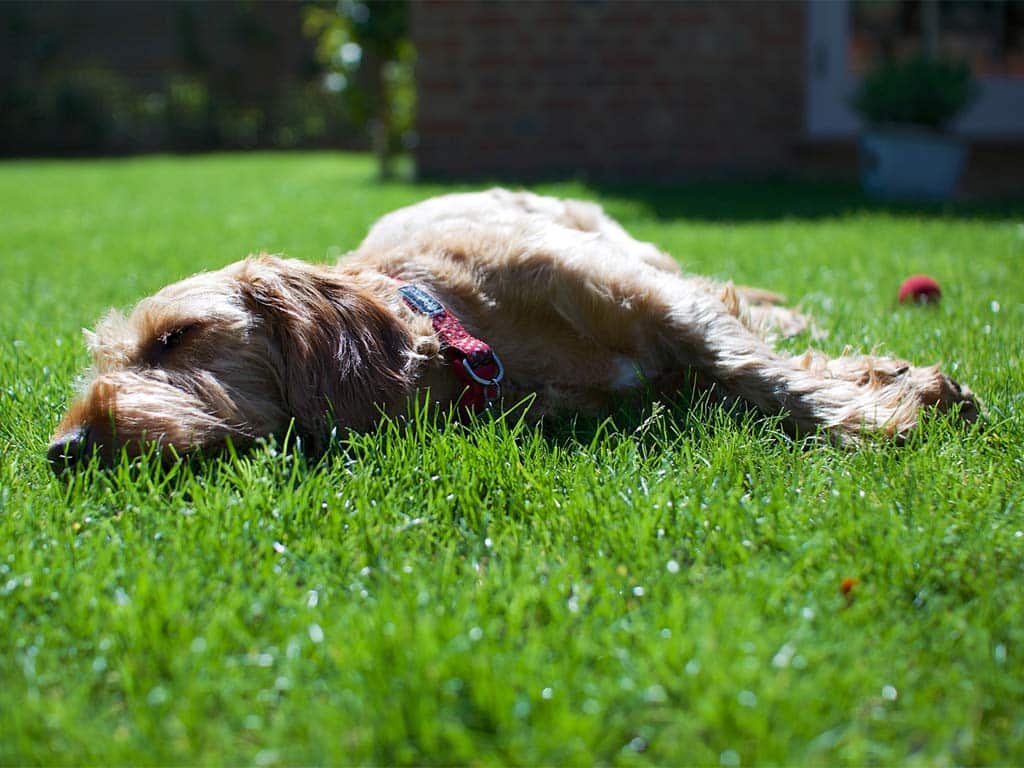
Every year, the heat gets hotter and hotter. Extreme temperatures, which were once sporadic, have become a constant during the spring and summer months in many regions of Spain, including Barcelona. According to the State Meteorological Agency (AEMET), recent summers have been among the hottest since the first recorded events, and heat waves are becoming more frequent, longer and more intense.
This scenario not only affects people, but also cats and dogs – especially those living in urban environments or without sufficient protection from the heat – are also exposed to the consequences of rising temperatures. Among the most serious risks is heat stroke: a potentially fatal veterinary emergency that can develop in a matter of minutes if not detected and treated in time.
At Balmesvet, as a veterinary hospital that works 24 hours a day, 365 days a year, we are direct witnesses of the increase in cases related to extreme heat. That is why we have prepared this article with a clear objective: to offer useful, updated information based on scientific evidence so that you can recognize the signs of heat stroke, understand why it occurs more frequently, and take effective preventive measures that protect the health and life of your cat or dog.
Prevention saves lives. And in the face of climate change, being well informed is the first step in taking better care of those who depend on us.
What is heat stroke?
Heat stroke is a serious veterinary emergency that occurs when a cat or dog’s body temperature rises above its physiological limits and its body loses the ability to self-regulate. Under normal conditions, dogs release excess heat mainly by panting and, to a lesser extent, by sweating through their footpads. Cats, on the other hand, do not use panting as their main mechanism: they remove heat through their pads and by licking their fur, which promotes evaporation. However, when the ambient temperature is too high or there is no access to shade, ventilation or water, these mechanisms may be insufficient, and the risk of heat stroke increases significantly.
From a medical point of view, heat stroke is a form of non-febrile hyperthermia, i.e. an abnormal rise in body temperature caused by a failure of thermoregulation, not by infection. In cats and dogs, the risk of organ damage usually increases from a body temperature of around 41°C, although this threshold may vary depending on factors such as species, breed, age, physical condition of the animal or previous illness. In brachycephalic breeds, older or overweight dogs and cats, the heat tolerance threshold is considerably lower, implying a higher risk even with shorter exposures or moderate ambient temperatures.
When heat stroke occurs, the body enters a critical state:
- Blood vessels dilate in an attempt to release heat, which can lead to a dangerous drop in blood pressure.
- The brain may become swollen, resulting in disorientation, seizures or loss of consciousness.
- The kidney and liver may be affected by lack of oxygenation, and stop functioning properly.
- In severe cases, disseminated intravascular coagulation (DIC) occurs, a process that leads to hemorrhage and multi-organ failure.
The outcome can be fatal if action is not taken quickly. Therefore, recognizing the early signs and acting immediately is essential in order to avoid irreversible consequences.
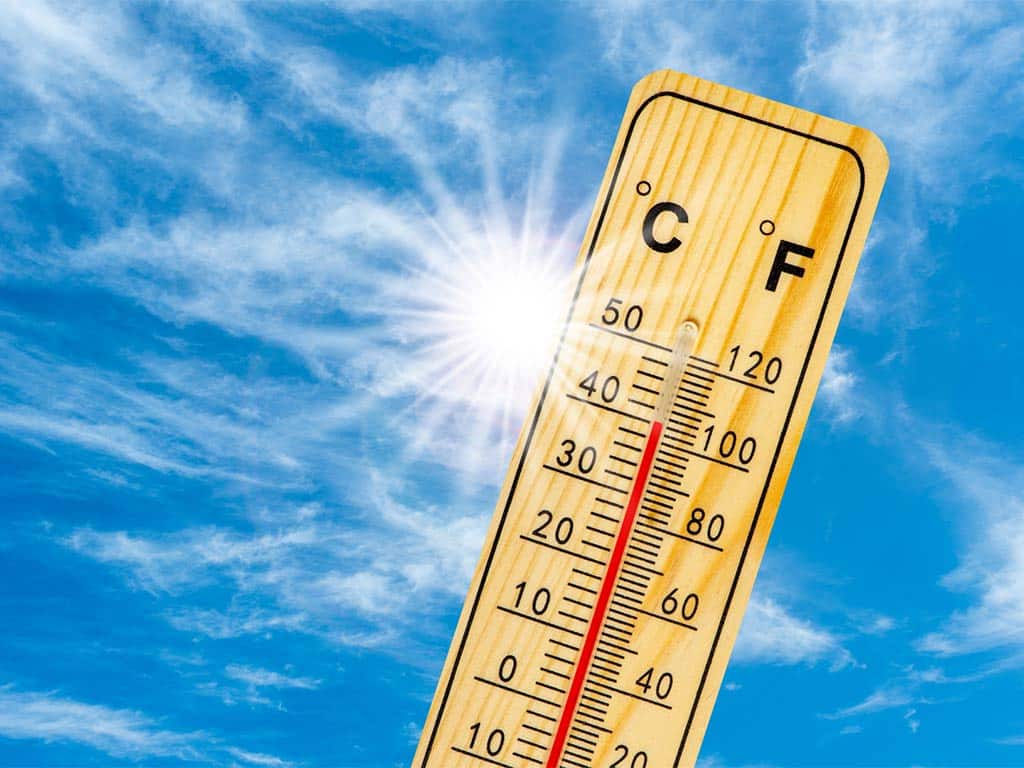
Why is heat stroke more common these days?
In recent years, the number of heat strokes in dogs and cats has increased significantly. This increase is not accidental: it is directly related to the current climatic context and to certain environmental and lifestyle factors that affect us all.
The impact of climate change
Climate change is generating longer, hotter and more unpredictable summers. According to recent data from the AEMET, Spain – and in particular cities like Barcelona – is experiencing a progressive increase in the average annual temperature and in the frequency of heat waves. These phenomena translate into more days with extreme temperatures, and tropical nights in which animals are unable to return to an adequate body temperature.
Dogs and cats, just like people, are suffering the consequences of this global warming. But unlike us, they cannot verbalize their discomfort, nor make decisions on their own to protect themselves from the heat.
More dangerous urban environments
Barcelona, like many Mediterranean cities, has what is known as the “heat island effect”, an urban phenomenon in which the abundance of asphalt, concrete and buildings retains heat, making the temperature in the city significantly higher than in rural areas. Sidewalks burn, green spaces are scarce and air circulates poorly.
In addition, many pets live in apartments without good ventilation or are left unattended on terraces, balconies or in vehicles, increasing the risk of heat stroke, even without direct exposure to the sun.
Routines poorly adapted to heat
On the other hand, our habits also have an influence. Walking dogs in the middle of the morning or in the afternoon, when the ground is very hot, or taking them for intense exercise on hot days, are practices that dangerously increase the risk. In the case of cats, the problem usually lies in the lack of cool areas inside the home, especially in sunny apartments without good ventilation.
In this context, preventing heat stress is not only a matter of common sense, but also of conscious adaptation to a new climatic reality.
Risk factors in cats and dogs
No todos los perros y gatos responden igual ante el calor. Algunos perros y gatos son mucho más vulnerables a sufrir un golpe de calor debido a características físicas, de salud o a su entorno. Identificar estos factores de riesgo es clave para prevenir situaciones críticas durante los meses más calurosos.
Dogs: breeds, age and physical conditions
Dogs are especially sensitive to heat due to their limited thermoregulatory system. Unlike humans, they do not sweat through their skin: they disperse excess heat primarily through panting, and to a lesser extent, through sweating through the plantar pads. This system is much less efficient, especially when the environmental humidity is high or the dog has a condition that predisposes it to poor air ventilation.
Most important risk factors in dogs:
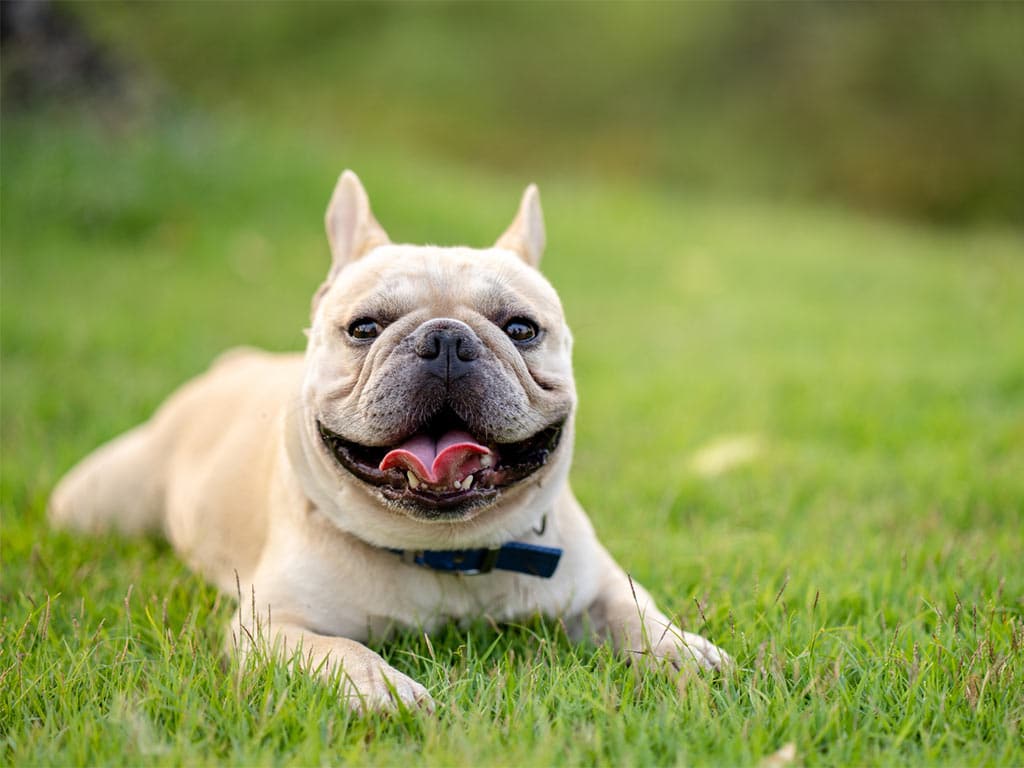
- Brachycephalic breeds (such as the French bulldog, English bulldog, pug, boxer, shih tzu, Pekingese or Boston terrier): their shorter muzzle shape, narrow nostrils and elongated palate significantly hinder air entry and exit. This limits their ability to cool down when panting and makes them the breeds most prone to heat stroke, even with short exposures and moderate temperatures.
- Puppies and older dogs: younger dogs have not yet fully developed their heat regulation mechanisms, and older dogs tend to have lower metabolic efficiency, associated diseases or less ability to adapt to sudden thermal changes.
- Overweight or obese dogs: excess body fat acts as an insulator, preventing proper heat dissipation. In addition, they tend to have lower exercise tolerance and a greater burden on the cardiovascular system.
- Dogs with cardiac, respiratory or neurological diseases: their organism is already compromised, so the additional effort involved in compensating for a rise in temperature may exceed their limits, causing them to collapse.
- Dense or long coat: breeds such as the golden retriever, Siberian husky, German shepherd or chow chow have a coat that, if not well cared for, can retain heat and hinder natural ventilation. The dense undercoat can act as an insulator from both cold and heat.
- Anxious, highly excitable dogs may be more sensitive to heat. They tend to overheat more quickly, as they pant more, become more agitated more easily and often do not stop to rest even if they need to.
In all these cases, prevention is essential. Identifying if your dog belongs to a high-risk group allows you to anticipate and adapt its environment and routines to protect it from the heat.
Cats: more demure, but also at risk
Although heat stroke in cats is less frequent than in dogs, its detection is often more difficult because the symptoms may go unnoticed until the situation is serious. Cats, by their nature, tend to hide the discomfort, which often delays the guardian’s reaction.
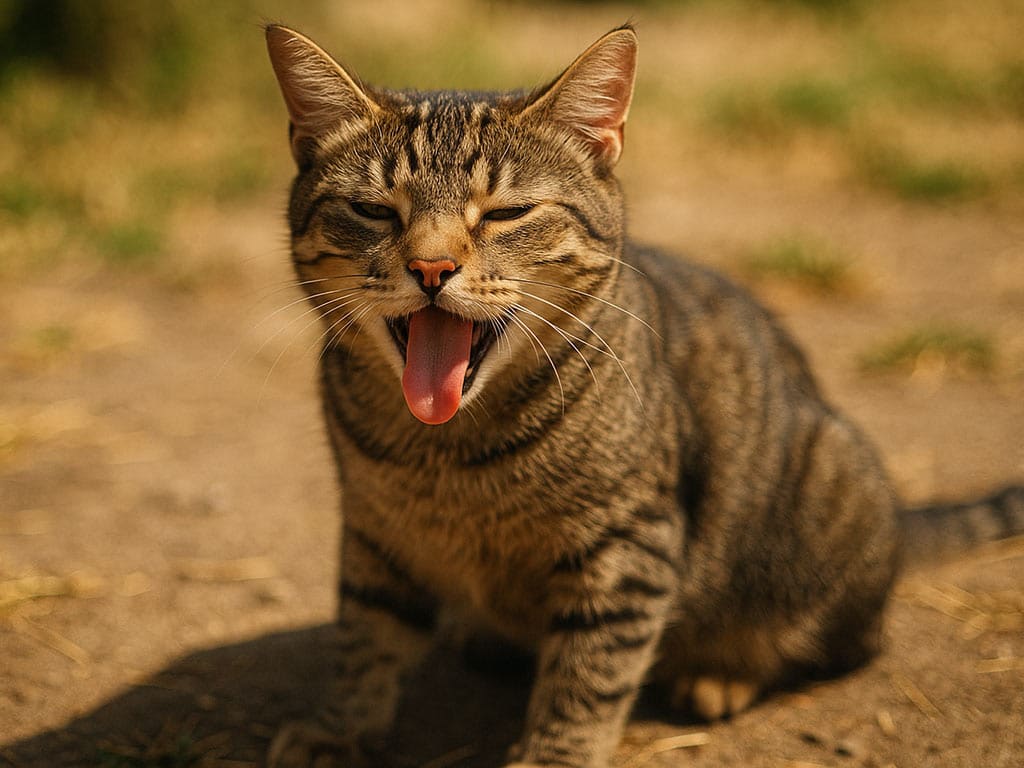
Also, unlike dogs, cats do not pant on a regular basis. If a cat starts panting with its mouth open, especially if it has not exercised heavily or is at rest, it is a major warning sign that may indicate a serious problem such as heat stroke, respiratory distress or extreme stress.
How do cats regulate their heat?Cats do not use panting as the primary mechanism for regulating their body temperature. Instead:
- They eliminate heat through the foot pads (on the paws) by sweating.
- They lick their bodies to moisten their fur: as the saliva evaporates, there is a slight loss of heat (similar to sweating in humans).
- They actively seek cool, shaded areas and reduce their activity during the hottest hours.
This means that cats have fewer physiological resources to lower their body temperature compared to dogs, so when the environment is hot and they cannot access a cool place, they are at a real risk of heat stroke.
Risk factors in cats:
- Older cats or cats with chronic diseases (renal, cardiac, respiratory).
- Brachycephalic breeds such as the Persian, the exotic shorthair, the Himalayan or the British shorthair have a facial morphology with a flat nose, narrow nostrils and reduced airway that hinder proper breathing and thermoregulation.
- Long-haired breeds, such as the Maine Coon, Persian, Norwegian Forest or Himalayan, especially if the coat is not well maintained.
- Obese cats or cats with reduced mobility.
- Prolonged exposure to the sun, especially on balconies, enclosed terraces or unshaded windows.
- Lack of access to fresh water or ventilated spaces.
Environments conducive to heat stress
In addition to the individual factors specific to each canine or feline patient, the environment they are in plays a fundamental role in the risk of suffering heat stroke. There are certain everyday situations that, although sometimes unnoticed, can endanger the life of your pet in a matter of minutes, especially during the hottest months.
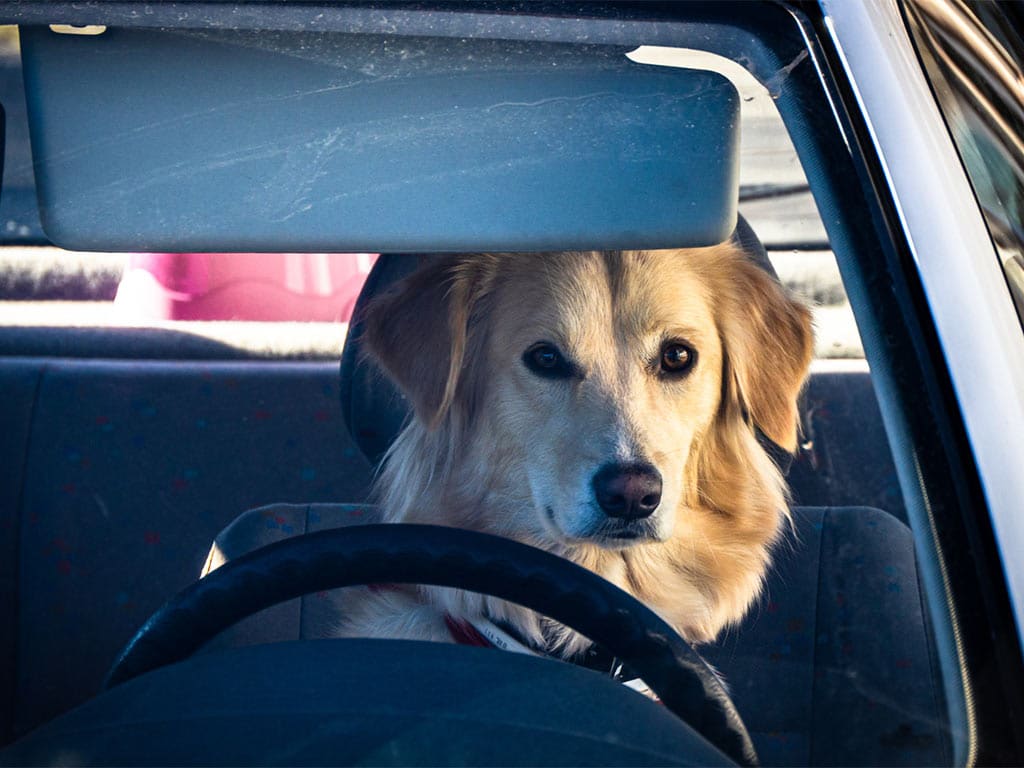
Leaving your dog or cat in a closed car
One of the most dangerous scenarios. Even with the windows slightly down, the temperature inside a car can exceed 50°C in less than 10 minutes on a hot day. The risk does not depend solely on direct sunshine: the ambient temperature is sufficient to cause heat stroke if left locked in, even for a short time.
Never leave your canine or feline companion alone in the car, not even for a couple of minutes.
Staying in poorly ventilated rooms or rooms in direct sunlight
Homes can also become heat traps. Attics, glassed-in balconies, enclosed verandas or unventilated rooms can reach dangerous temperatures, especially if the animal does not have access to shade, cool water or shelter.
In cats, this type of environment is a frequent cause of heat stroke, as they spend more hours alone and tend to hide, which delays the detection of symptoms.
Physical exercise at peak hours
In the case of dogs, walking or physical activity between 11:00 am and 7:00 pm during the hot months represents a very high risk. The asphalt can reach pad-burning temperatures, and exercise generates an increase in body temperature that cannot be effectively counteracted by panting in extreme conditions.
The optimal time for a walk is early in the morning or at dusk, in shady areas with cool ground.
Pet carriers or confined spacesSituations such as travel, veterinary visits, or prolonged stays in kennels, cages or transport backpacks without adequate ventilation also pose a high risk. Cramped space, stress and lack of air circulation can cause a rapid rise in body temperature, especially in cats.
Make sure the kennels are well ventilated, avoid exposing them to the sun and do not use them as a long-term place to rest.
A poorly conditioned environment, without shade, ventilation or access to water, can be as dangerous as direct exposure to the sun. Adapting space and routines to the heat is not an option: it is an essential preventive measure.
Signs of heart stroke: How to catch them in time
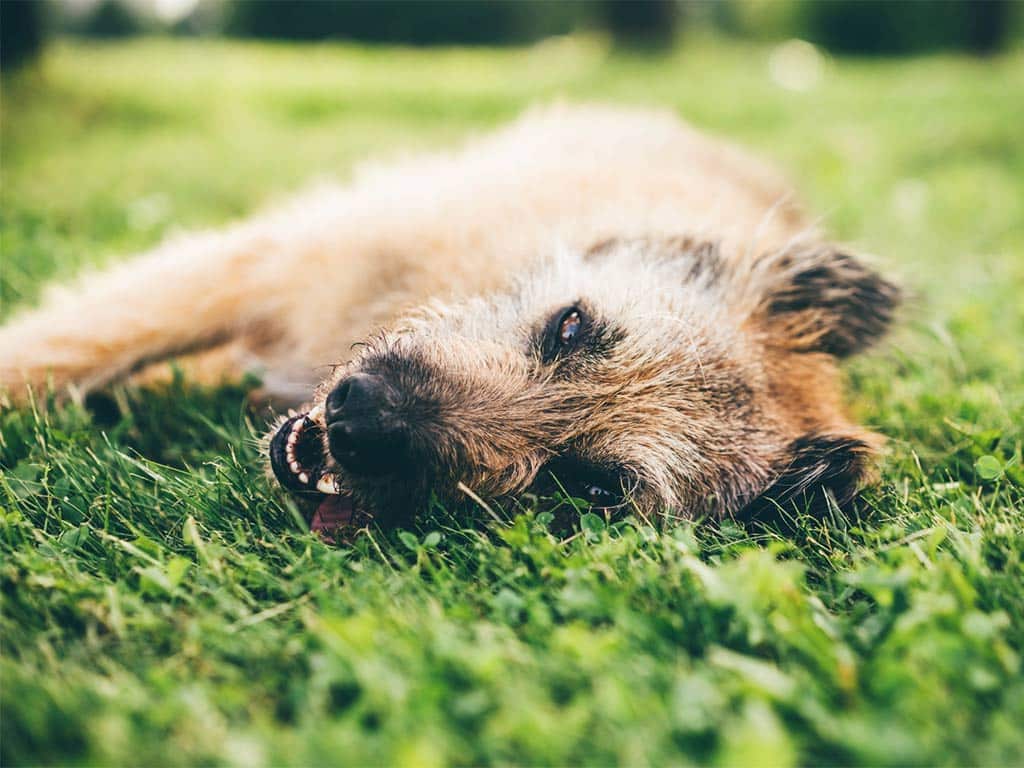
One of the most critical aspects of heat stroke is its quick and silent onset. The guardian must know how to recognize the first signs before the damage becomes irreversible. In a matter of minutes, your dog or cat can go from mild discomfort to organ collapse if nothing is done. That is why it is so important to know how this problem manifests itself in both cats and dogs, and to understand that the signs are not always obvious at first.
Signs of heat stroke in dogs
Dogs, having a temperature regulation system based mainly on panting, tend to exhibit the first symptoms in a more noticeable way:
- Intense and hurried panting, even at rest or without exercise.
- Very red or bluish tongue, with swollen gums.
- Weakness or staggering, with difficulty in standing.
- Excessive and thick salivation.
- Vomiting or diarrhea, sometimes with blood.
- Confusion or blank stare, which may progress to convulsions or collapse.
- Accelerated heart rate (tachycardia).
- Body temperature above 40-41 °C.
Heat stroke may seem, in its early stages, to be simple fatigue or dehydration, but if the dog is not cooled in a controlled way and a veterinarian is not consulted, it can quickly lead to multi-organ failure.
Signs of heat stroke in cats
Cats do not show the signs as obviously, and also tend to hide their discomfort, which delays diagnosis. The guardian should be very alert to the following changes:
- Panting or breathing with the mouth open, something completely abnormal in cats.
- Lethargy or decreased response to stimuli.
- Bright red tongue or gums, or even bluish in advanced stages.
- Vomiting, drooling or refusal of food.
- Staggering, muscle weakness or stooped posture.
- Excessive meowing or altered behavior in normally calm cats.
In both cases, if they have one or more of these symptoms, it is essential to act quickly. Heat stroke does not get better with time: it gets worse. The sooner treatment is started, the better the chances of recovery without side effects.
What to do if you suspect it’s heat stroke
When heat stroke is suspected, it is vital to act quickly but with awareness. Many well-intentioned mistakes can make the situation worse.
First aid at home (before going to the veterinarian):
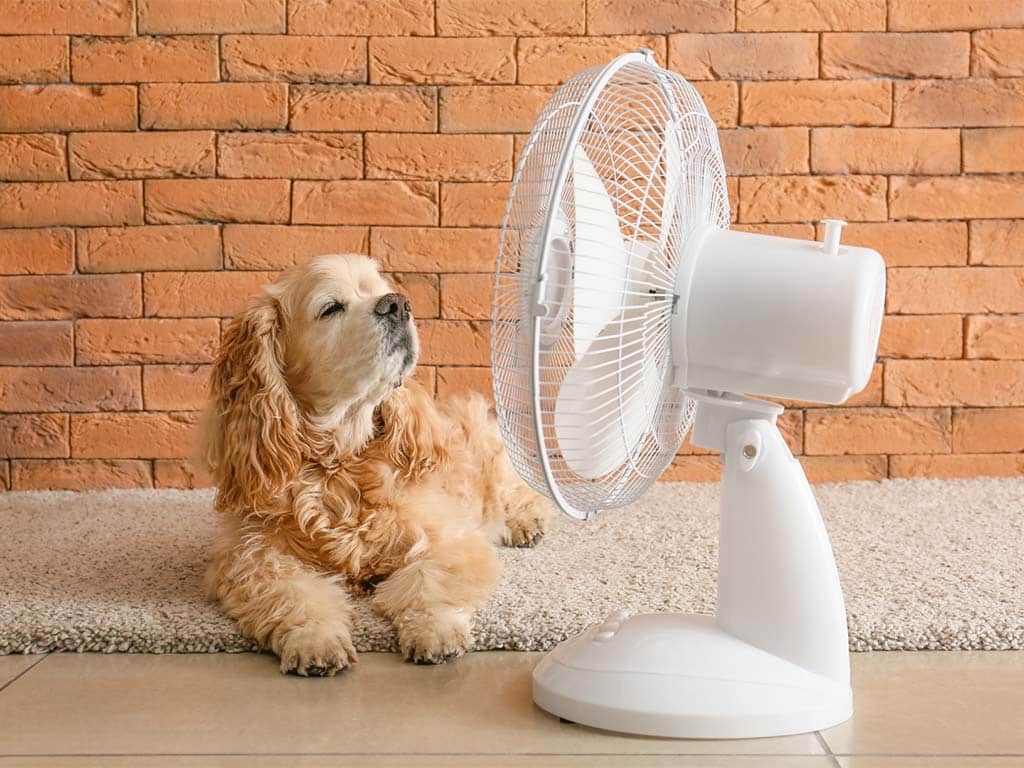
- Move them to a cool, shady place, ideally with a breeze.
- Use a fan or air conditioner if available.
- Offer water, but only if the animal is conscious and can drink on its own.
- Measure its rectal temperature if you have a thermometer: if it is above 40-41 °C, the emergency is at its peak.
- Contact your veterinarian immediately: do not wait for it to “get better on its own”.
- Dampen their body with cool water (never cold), concentrating on the thorax.
The thorax houses the two key organs for survival: the heart and the lungs.
Heart
- During a heat stroke, the cardiovascular system is at its limit.
- The heart needs to maintain adequate blood flow to oxygenate tissues and remove body heat.
- Cooling the thoracic area helps to reduce the blood temperature that passes near the heart, favoring a more efficient bodily response.
Lungs
- They are essential for oxygen turnover.
- In situations of hyperthermia, tissues need more oxygen, but respiratory efficiency may be compromised.
- Lowering chest temperature helps preserve lung function and prevents respiratory collapse.
What not to do
- Applying cold on legs or peripheral areas can be ineffective or even counterproductive if not accompanied by other measures focused on the thoracic area.
- Do not use ice or ice water: it can cause blood vessel constriction and hinder heat loss.
- Do not immerse them in water.
- Do not cover their body with wet towels: this can trap heat.
- Do not administer medication without professional instructions.
- Do not apply topical alcohol, although it may seem useful for its immediate cooling effect, it can worsen the situation by causing vasoconstriction and generate a false sense of cooling.
- Do not delay veterinary attention thinking that “he/she is already getting better”.
At Balmesvet we treat heat stroke as a life-threatening emergency. Our team is prepared to stabilize the patient, apply fluid therapy, control possible organ damage and monitor their progress 24 hours a day.
Remember!
- Cooling the thorax is more effective than cooling the legs, because it helps to lower the body temperature faster, without causing excessive peripheral blood vessel constriction. In addition, it acts directly on the central circulation, which is key in patients in thermal shock.
- Moisten the thoracic region (chest, sides and upper abdomen) with cool water and combine it with air flow to enhance the evaporative cooling effect.

Prevention: How to protect your pet from the heat
Prevention is the most powerful tool against heat stroke. While treatment must be prompt and professional, preventing it from occurring is the most effective way to protect your companion.
Key advice for dogs
- Avoid walks in the middle of the day. Choose to go out early in the morning or in the evening.
- Check the temperature of the ground with the back of your hand: if it burns, it is not safe.
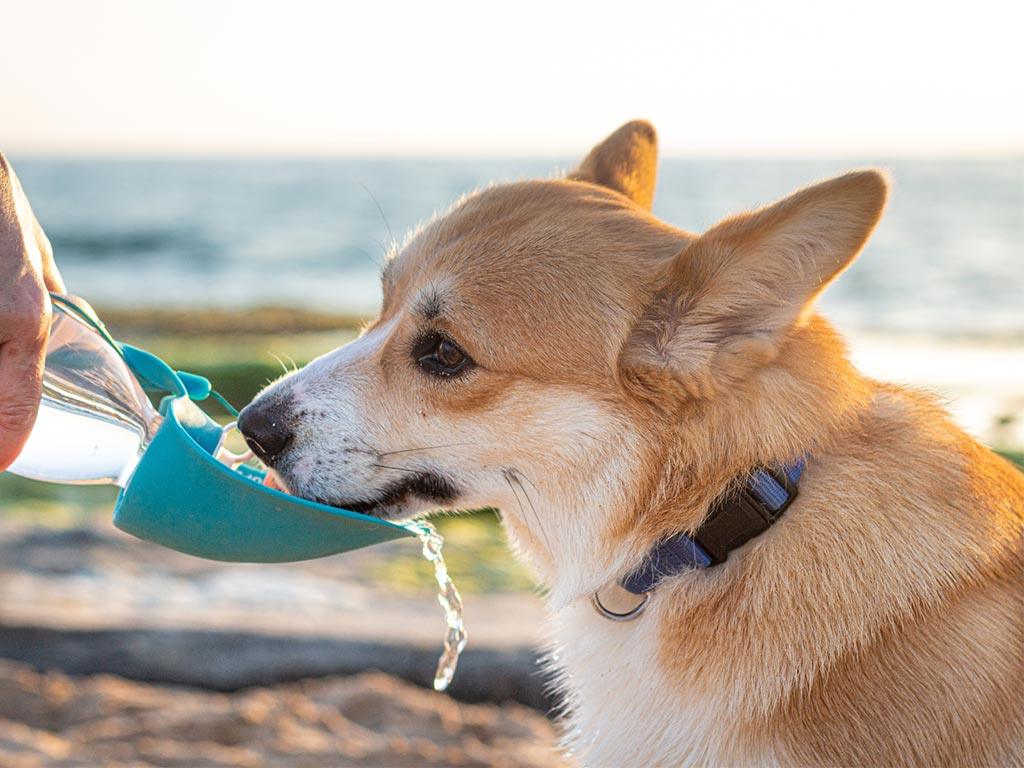
- Always provide fresh water, even during walks.
- Limit physical exercise on hot days.
- Provide shaded and ventilated areas at home and outdoors.
- Use cooling mats or wet cloths in key areas (abdomen, paw pads).
- In long-haired breeds, give strategic trims (no shaving).
- Never leave your pet in a closed car, not even for a few minutes.
Key advice for cats
- Make sure they can access cool, shaded areas inside the home.
- Avoid trapping them in enclosed balconies, attics or unventilated rooms.
- Offer water at different points in the house, and try fountains to encourage hydration.
- You can freeze small bottles of water and leave them wrapped in a towel to refresh areas.
- Brush them regularly if they have long or thick hair.
- Reduce physical activity during the hottest hours of the day.
The role of the guardian in the context of climate change
Rising temperatures are not a passing trend: this is a reality that is changing our summers and, with it, the needs of the dogs and cats that live with us.
Climate change is causing:
- Longer and hotter summers.
- More frequent and intense heat waves.
- Increased difficulty in finding cool natural environments in urban areas.
- Increase in emerging heat-related illnesses (heat stroke, dehydration, parasite infections, etc.).
As responsible guardians, we must anticipate and adapt our habits. It is not enough to just change the time of the walk: we must look at the spaces in our home, adapt our routines, reassess our diet, and even consider preventive visits to the veterinarian before the summer in vulnerable patients.
Protecting our fellow creatures from the heat is also a way of assuming our responsibility in a changing world. Animal welfare is also an environmental issue.
Prevention is protection
Heat stroke is a silent, but well-known and predictable enemy. The difference between a scare and a tragedy often lies in the information we manage as guardians.
Remember:
- Learn to recognize the warning signs.
- Adapt your home and routines to the heat.
- Consult your veterinarian if your cat or dog belongs to a group at risk.
- Act quickly in case of suspicion.
- When in doubt, never wait: consult.
At Balmesvet we work to accompany you all year round, even in summer. With information, prevention and early attention, we can work together to protect the health and life of your pet.
Balmesvet: with you year round
At Balmesvet, we take prevention very seriously. We attend veterinary emergencies 24 hours a day, 365 days a year, and we know that in summer, the risk of heat stroke is multiplied.
We provide:
- Intensive Care Unit: our canine and feline ICU has everything necessary to ensure the best possible care in case of heat stroke.
- Canine and feline hospitalization with temperature control and continuous monitoring.
- Diagnostic imaging and rapid analysis to detect internal damage.
- A team committed to animal welfare, ready to act in any emergency.
Calle Balmes 205, Barcelona
931 173 173
atencioclient@balmesvet.com
More information in our blog
A safe summer starts with prevention, information and reliable veterinary care. At Balmesvet, we are here to help you.


 Barcelona, C/ Balmes nº 205
 931 173 173
 info@balmesvet.com