


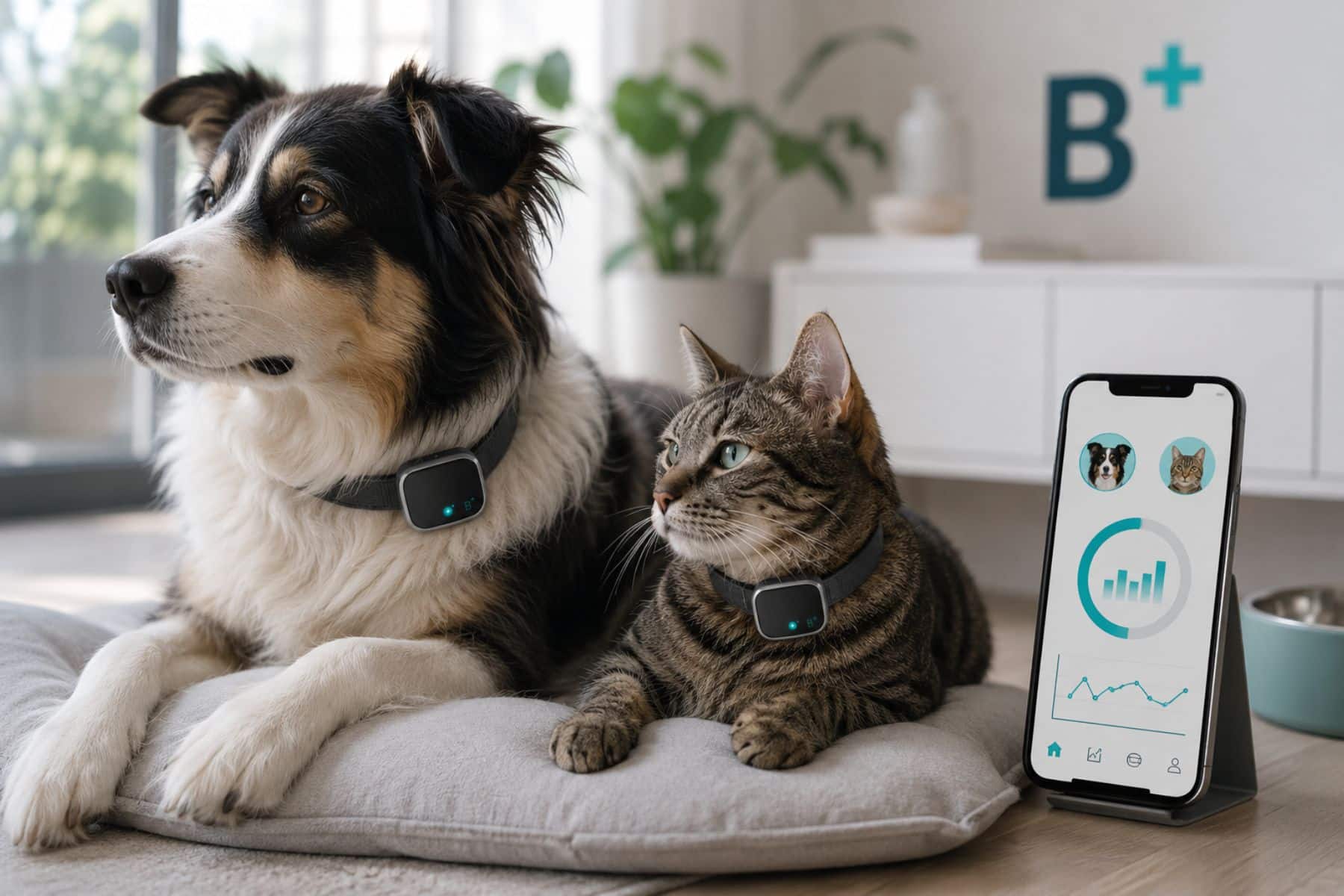
Preventive Veterinary Technology lets you spot changes in activity, eating habits, rest, or urination patterns before obvious symptoms appear. Devices such as smart collars, automatic litter boxes, or smart feeders help monitor your dog’s or cat’s daily health, though they can never truly replace a veterinary examination.
At Balmesvet, a leading veterinary hospital in Barcelona, we often see that many diseases begin with subtle changes in a pet’s daily routine. Detecting these changes early can lead to earlier diagnoses and a better chance of recovery for many patients.
Technology doesn’t replace clinical judgment, but it can be a useful tool for prevention and monitoring when used properly.
How Technology Detects Changes in Health Before Symptoms Appear
Cats and dogs don’t always exhibit obvious signs of discomfort. In numerous instances, the very first signs appear as subtle changes in their daily routines.
Some changes to look out for are:
- A gradual drop in activity.
- Changes in sleep patterns.
- Changes in the amounts of food they eat.
- Changes in how they typically urinate.
- Less social interaction.
- Changes in their typical behavior.
Tracking these patterns helps identify irregularities in each patient’s normal activity. From our clinical experience, we’ve found that early detection of these changes can lead to earlier diagnoses of joint, urinary, endocrine, or cardiac conditions.
For example, in some older cats, a gradual decrease in activity measured by tracking devices may be one of the first signs that a cat is experiencing chronic pain or feline osteoarthritis.

Monitoring Devices for Cats and Dogs: Benefits and When to Use Them
Smart Collars: Tracking Activity and Rest in Cats and Dogs
Smart collars and tags allow you to track physical activity, rest, and, in some models, certain physiological factors.
Pueden resultar especialmente útiles en:
- Follow-up care for patients with osteoarthritis.
- Post-surgical recovery.
- Monitoring mobility in senior dogs and cats.
- Evaluation of progressive changes in activity levels.
- Monitoring of chronic conditions.
A steady decline in movement may be one of the first signs of pain, fatigue, or a bigger medical condition.
This information is not enough to make a diagnosis, but it does help identify changes that warrant a veterinary check-up.
Continuous Glucose Monitoring in Diabetic Cats and Dogs: Tracking and Managing
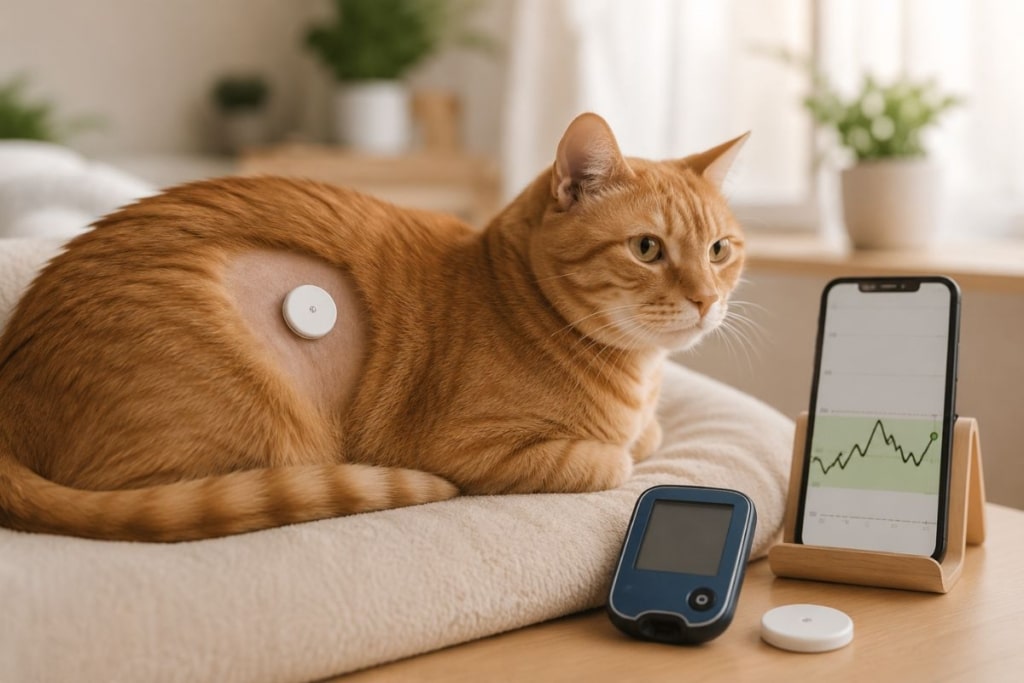
For some patients with diabetes, we’re using continuous glucose monitoring systems such as FreeStyle Libre®, a technology that allows for monitoring glucose levels throughout the day without the need for multiple prick tests.
Este tipo de dispositivos puede ser especialmente útil en perros y gatos sensibles al estrés o en pacientes en los que resulta difícil realizar curvas de glucosa convencionales.
Continuous tracking allows you to:
- Detect changes in glucose levels throughout the day.
- Adjust treatment more precisely.
- Assess how the patient responds to treatment in their day-to-day environment.
- Reduce the stress associated with repeated testing.
In feline medicine, minimizing frequent handling can significantly improve your pet’s ability to tolerate check-ups and make diabetes management more effective.
GPS Trackers: Proactive Safety in the City
GPS devices provide an extra degree of security, especially in big cities like Barcelona.
They’re often recommended for:
- Dogs prone to running away.
- Outdoor cats.
- Newly adopted pets.
- Cats and dogs with dementia.
Reducing environmental risks is also part of preventive medicine.
Automatic Feeders: Nutrition and Portion Control
Nutrition plays a key role in preventing diabetes and obesity.
Smart feeders help to:
- Regulate portions more accurately.
- Prevent overfeeding.
- Detect decreases in food intake.
- Support special diets.
- Manage feeding in households with multiple cats or dogs.
In cats, a significant reduction in food consumption over 24–48 hours may be medically concerning and indicate the need for an early evaluation.
Nutritional monitoring is especially important in patients with obesity, diabetes, digestive disorders, or specific dietary needs.

Technology and Behavior at Home: How It Can Contribute to Well-Being
Pet Cams: Detecting Behavioral Changes
Las cámaras interactivas permiten observar el comportamiento cuando el perro o el gato permanece solo en casa.
They’re useful for:
- Detecting separation anxiety.
- Spotting repetitive behaviors.
- Monitoring post-surgery recovery.
- Tracking neurological or chronic conditions.
- Seeing if there’s trouble sleeping or restlessness at night.
In many cases, behavioral changes appear before obvious physical signs.
Observing the animal at home can provide valuable information to guide examinations in the fields of Internal Medicine or animal behavior.
Smart Toys: Stimulation and Emotional Well-being
Environmental enrichment is part of both physical and mental well-being, especially for indoor cats and dogs with low daily activity levels.
Mental stimulation tools help:
- Reduce boredom.
- Reduce stress.
- Stimulate daily mental activity.
- Prevent destructive behaviors.
- Encourage natural exploration and play.
Chronic stress can contribute to digestive, urinary, or behavioral problems, especially in feline patients.
That’s why emotional well-being is part of the clinical approach we take at Balmesvet, following Fear Free protocols and Cat Friendly Clinic Gold standards.
Smart Litter Boxes: Feline Urinary Health and Early Detection
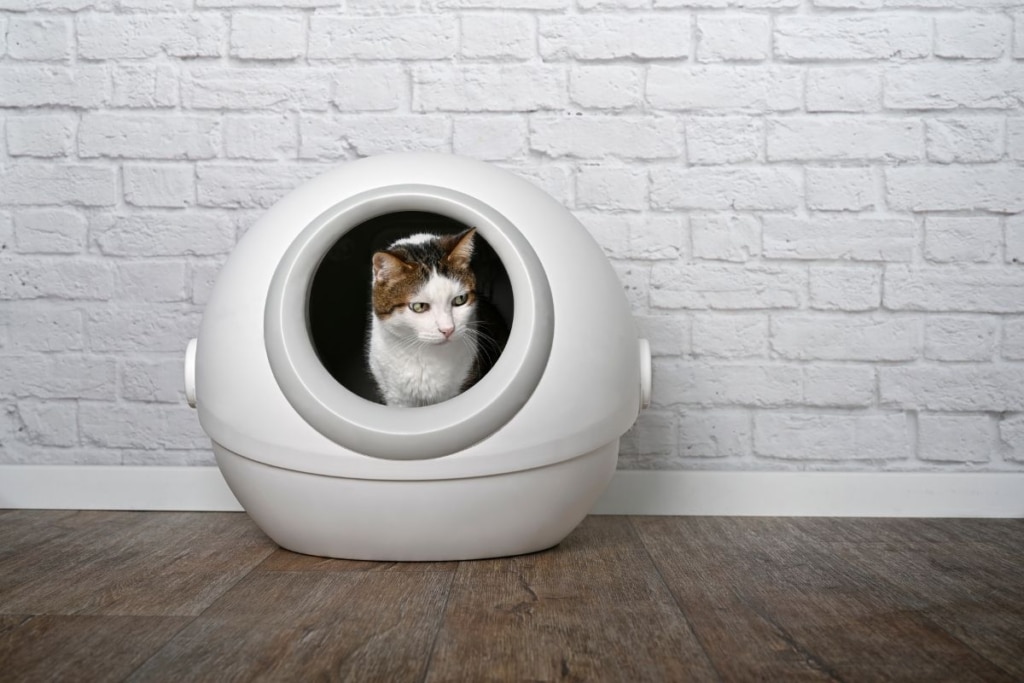
Urinary tract diseases are common in cats and, in some cases, can quickly become serious.
- Automatic litter box systems let you:
- Track urination frequency.
- Detect changes in urination patterns.
- Identify a decrease in or absence of urine.
- Alert you to frequent changes.
In male cats, a urethral obstruction can become a life-threatening emergency within a few hours.
Detecting early changes in urination facilitates faster action and reduces the risk of serious complications. Some patients require intensive care and continuous monitoring in specialized feline medicine units.
What to Consider Before Bringing Technology Into Your Home: Convenience, Ease of Use, and Reliability
Not all dogs and cats need technological devices, and not all tools offer the same medical benefits.
- Before choosing a monitoring system, it’s important to consider:
- Age and overall health.
- Habitual activity level.
- Individual acceptance of the device.
- Quality and reliability of the device.
- Easy interpretation of the data.
- Specific purpose behind monitoring.
Home monitoring helps the guardian keep an eye on the pet, but it doesn’t replace:
- A vet checkup.
- Diagnostic tests.
- Imaging tests.
- Lab tests.
In many cases, at-home data is interpreted in tandem with veterinary examinations and further diagnostic testing.
How We Use Technology-Based Monitoring at Balmesvet: Data + Clinical Expertise
At Balmesvet, we combine the data collected at home with a detailed and personalized medical check-up.
- Our approach combines:
- A thorough medical examination.
- Advanced diagnostic imaging.
- An in-house laboratory open 24 hours a day.
- Separate hospitalization facilities for cats and dogs.
- An intensive care unit.
- Stress-reduction protocols.
- Fear Free care tailored to each patient.
La tecnología aporta datos objetivos sobre el día a día. La medicina veterinaria aporta interpretación clínica, diagnóstico y tratamiento.
Warning Signs That Should be Checked: When to Call Your Vet
Some changes detected by monitoring devices shouldn’t be overlooked.
- You should seek veterinary care if any of the following symptoms appear:
- A noticeable decrease in activity.
- A lack of eating for more than 24 hours in cats.
- Persistent changes in urination.
- Sudden changes in behavior.
- Difficulty moving.
- Unexplained panting or fatigue.
- Sleep changes accompanied by other symptoms.
Early detection can make a crucial difference in many diseases.

Frequently Asked Questions About Technology and Monitoring in Cats and Dogs
Do smart collars replace veterinary checkups?
No. They’re additional tools that help track activity and behavior, but they don’t replace regular checkups or clinical examinations.
Can an automatic litter box detect health problems?
It doesn’t provide a diagnosis, but it can alert you to changes in urine that warrant an urgent visit to the vet.
Do all pets need smart devices?
No. Whether they’re useful depends on the pet’s age, health, lifestyle, and specific needs.
Can monitoring help detect diseases earlier?
Yes. In some cases, it allows for the early detection of subtle changes before noticeable symptoms appear, leading to earlier medical appointments and earlier diagnoses.
We’re here to help you in Barcelona: Prevention, Follow-up, and Vet Tech
If you notice changes in your dog’s or cat’s activity level, diet, behavior, or urination habits, it’s a good idea to have them examined by a veterinarian.
Many illnesses begin with small signs that can go unnoticed in the day-to-day.
At Balmesvet Veterinary Hospital, we combine preventive medicine, advanced technology, and specialized care to provide thorough and compassionate clinical care.
We are here to help you at Calle Balmes 205, 08006, Barcelona.
Balmesvet Veterinary Hospital
| Information | |
| Address | Carrer Balmes 205, 08006 Barcelona |
| Parking | Balmes 200 (30 min visits; up to 1 hour emergencies) |
| Phone | 931 173 173 |
| atencioclient@balmesvet.com | |
| Consultations | 8:30–20:00 |
| Emergency/Hospitalization | 24/7 |
Can we help you? Call us or make an appointment. 24/7 emergency services available.


 Barcelona, C/ Balmes nº 205
 931 173 173
 info@balmesvet.com