


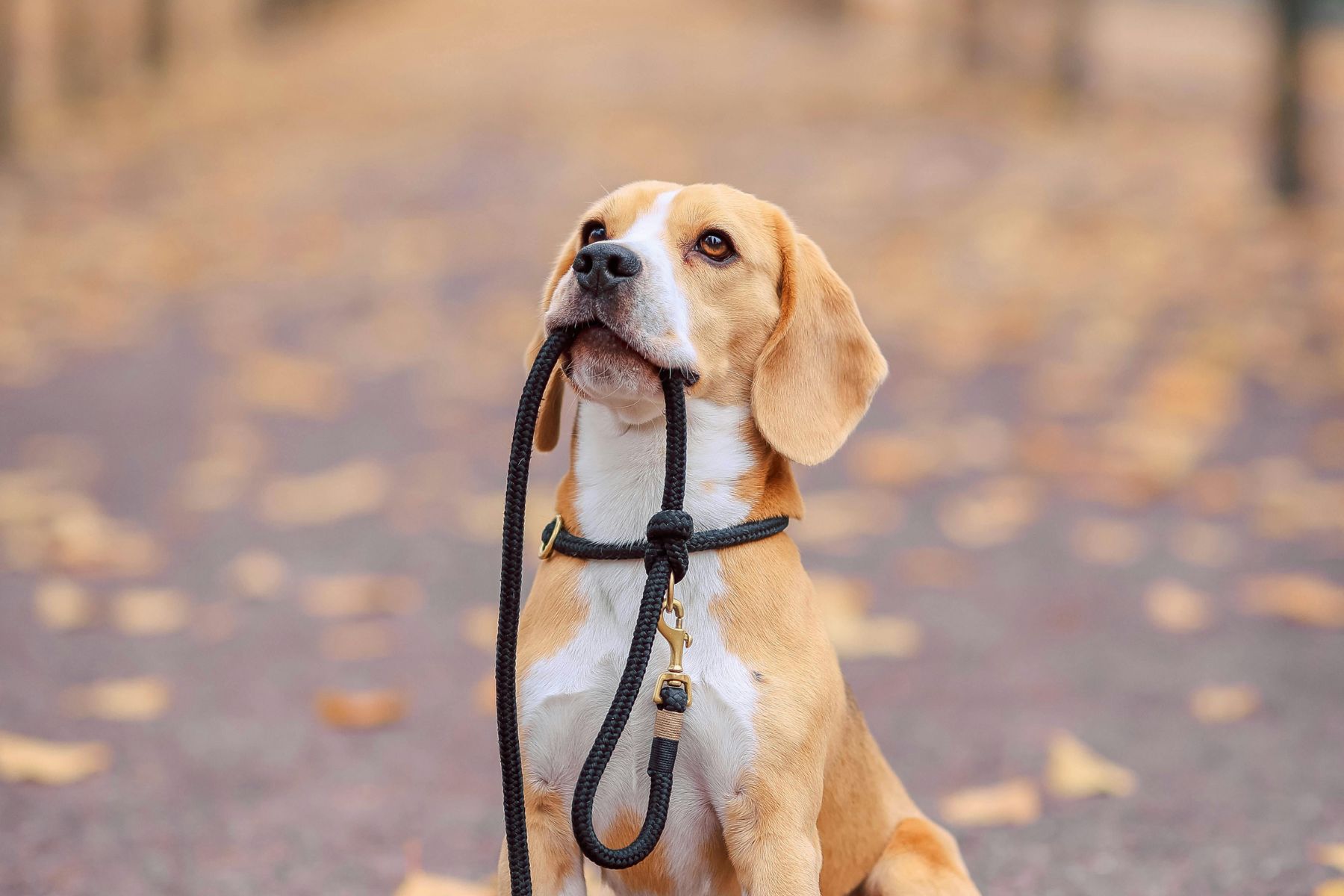
Walking a dog is not just about letting it do its business. In a city like Barcelona, walks affect a dog’s physical health, behavior, and ability to cope with everyday stimuli such as noise, traffic, people, other dogs, or changes in the environment.
An ill-suited routine can lead to stress, frustration, injuries, or exposure to avoidable risks. Many behavioral changes during a walk are also among the first signs of pain, anxiety, or illness.
Short Walks: One of the Most Common Mistakes
One of the most common mistakes is limiting the walk to just a few minutes so the dog can relieve itself and then heading back home. While this may be enough on some occasions, it shouldn’t become a regular routine.
During a walk, many dogs need to:
- Explore their surroundings.
- Sniff around at their own pace.
- Walk at a comfortable speed.
- Release built-up tension.
- Be exposed to new stimuli gradually.
A leisurely, enriching walk is usually more beneficial than walking briskly for a long time. The ideal duration depends on each dog’s age, health, activity level, and personality.
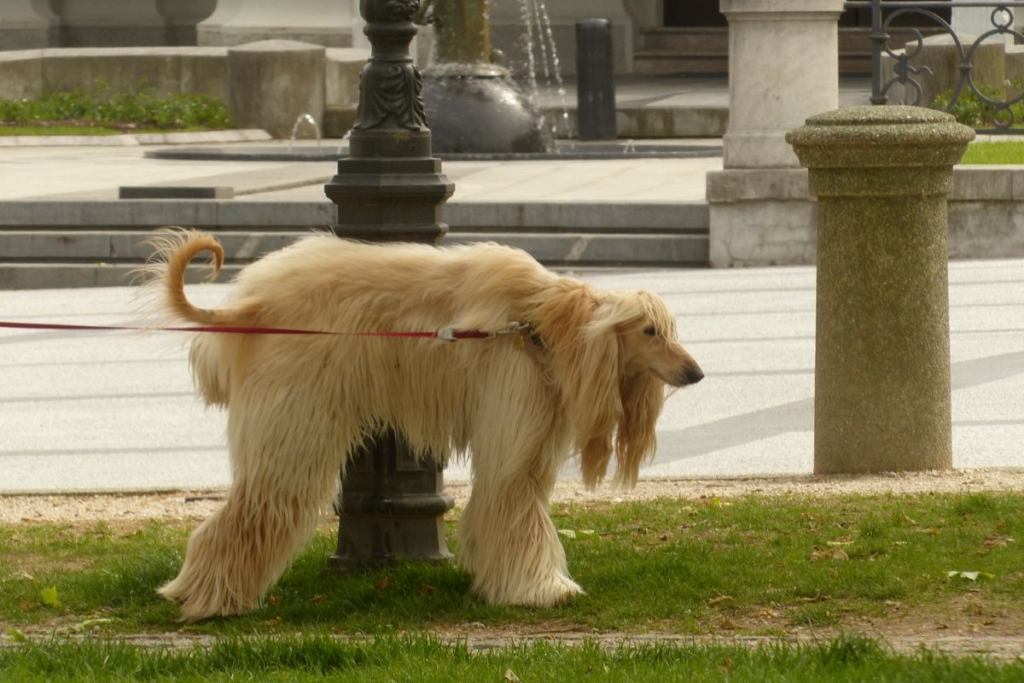
Why Letting Your Dog Sniff Around Is Key During a Walk in the City
A dog’s sense of smell is one of the main ways it interprets its surroundings. Constantly restricting this behavior greatly reduces the mental benefits of the walk.
Letting your dog sniff around helps to:
- Encourage exploration.
- Reduce stress.
- Improve emotional regulation.
- Reduce frustration.
- Make the walk more fulfilling.
Some caregivers interpret lingering or changing pace as misbehavior. However, in numerous instances, it’s simply part of a dog’s natural urge to explore.
Dangers in the City: Ones That Often go Unnoticed
The city exposes dogs to risks that may go unnoticed during daily walks. Some are minor, but others may require veterinary care.
Among the most common risks are:
- Food scraps or toxic substances on the ground.
- Grass awns, glass, or other sharp objects.
- Very hot surfaces in the summer.
- Contact with the gypsy moth at certain times of the year.
- Accidental ingestion of objects.
- Unsupervised interactions with other dogs.
- Heatstroke on very hot days.
In cities like Barcelona, during the hot summer months, the pavement can reach extremely high temperatures and cause burns to the paw pads, even on short walks.
Why Not All Dogs Should Socialize During a Walk
Not all dogs need to greet or play with other dogs during a walk. Forcing encounters can cause stress, fear, or reactive behavior, especially in urban environments with a lot of noise and activity.
It’s important to respect signs such as:
- Avoiding contact.
- Freezing.
- Tensing up.
- Trying to move away.
- Panting without having exercised intensely.
- Growling or barking defensively.
Socialization isn’t about exposing the dog to every possible stimulus, but rather about helping it have positive, gradual, and safe experiences.

How to Tailor Walks to Your Dog’s Age and Health
Each dog needs a different kind of walk. A puppy, an active adult, and a senior dog shouldn’t always follow the same routine.
As a general guideline:
- Puppies need gradual exposure and walks that aren’t too long.
- Active adult dogs usually need a combination of exercise, olfactory stimulation, and mental stimulation.
- Senior dogs may require shorter walks, frequent breaks, and comfortable walking surfaces.
- Dogs with respiratory, heart, or joint problems need adapted routines.
Changes such as walking more slowly, avoiding familiar routes, limping, or getting tired more quickly may indicate pain or physical discomfort, not just old age.
Warning Signs During a Walk: When to Be Concerned
Some issues can be resolved by adjusting your pet’s routine, but others should be evaluated by a veterinarian.
These may be minor issues if they occur only occasionally:
- Nervousness in a new environment.
- Mild fatigue after a longer walk.
- Occasional discomfort with certain stimuli.
- Initial difficulty adapting to a new route.
You should consult a veterinarian if you notice:
- Recurrent limping or stiffness.
- Excessive fatigue.
- Coughing or difficulty breathing.
- Persistent reluctance to go outside.
- Vomiting or diarrhea after walks.
- Injuries to the paw pads.
- Sudden changes in behavior.
- Intense fear, freezing, or frequent reactive behavior.
Spotting these changes early on helps distinguish between a handling issue, stress, pain, or an illness that’s affecting the walk.

How to Make Walking in the City Safer and Healthier
It doesn’t always mean spending a lot more time. Often, the key is to improve the quality of the walk.
- Here are some helpful tips:
- Gradually vary your walking routes.
- Allow time for sniffing.
- Avoid the hottest parts of the day.
- Look for areas with less noise or crowds.
- Adjust the pace to each dog.
- Use a comfortable, well-fitting harness.
- Avoid leashing methods that make it difficult to control the dog in areas with traffic or many distractions.
- Avoid forced interactions.
- Take breaks if the dog’s a senior or has physical issues.
In cities like Barcelona, finding quiet spaces or pleasant routes for walking isn’t always easy, especially in areas with heavy traffic or noise. Finding places where your dog can walk in peace, explore, and rest also helps reduce stress during the walk.
In addition, more and more dog owners are using tools that help locate dog parks, parks, cafes, and other spaces where dogs are welcome, making walks more enjoyable and better suited to the urban environment. One such tool is MyPipican, a collaborative map that compiles places designed for walking dogs in different cities across Spain.
If you’re looking for new dog-friendly routes or activities in Barcelona, you might also find these Balmesvet guides helpful:
- The Best Beaches for Dogs in the Province of Barcelona.
- Dog-Friendly Cafés, Brunch Spots and Bars in Barcelona: Where to go With Your Dog.
- Dog-Friendly Pools in Barcelona.
- Pet-Friendly Christmas in Barcelona: Plans, Routes and Activities With Your Dog.

Frequently Asked Questions About City Walks
Which is better: one long walk or several short walks?
For most dogs, several short walks over the course of the day are usually more beneficial than a single long walk. The frequency and time should be adapted to each dog’s age, energy level, personality, and health. More than the exact duration, what matters is that the walk includes movement, exploration, sniffing, and moments of relaxation.
Is it bad to always walk in the same place in the city?
Not necessarily, but varying your walking routes helps provide new stimuli and reduces boredom. For sensitive dogs, changes should be made gradually.
Is it okay for your dog to sniff around a lot during walks?
Yes. Smell is part of exploration and can help reduce stress, improve emotional regulation, and make the walk more rewarding.
What should I do if my dog eats something off the ground during the walk?
Prevent your pet from continuing to eat scraps or debris and contact a veterinarian if there’s a risk of poisoning, choking, or swallowing a foreign object.
How can I tell if my dog’s stressed during our walk?
Some signs include excessive panting, hypervigilance, freezing, constant tugging, frequent barking, refusal to walk, or a constant urge to escape the surroundings.
At Balmesvet, we promote healthier walks tailored to each dog
Their daily walk has a direct impact on a dog’s physical health, behavior, and well-being. In the city, adapting the routine, allowing for exploration, and being aware of environmental risks can make a big difference in their quality of life.
Many changes that occur during a walk—such as excessive fatigue, fear, limping, reluctance to go out, or digestive issues—can be early signs of pain, stress, or illness. Detecting them early helps prevent complications and allows you to better adapt to each dog’s needs.
At Balmesvet, we believe that walks should be a safe, enriching experience tailored to every stage of life. If you notice behavioral changes during walks or difficulties adapting to the urban surroundings, a veterinary checkup can help identify the cause and improve your dog’s well-being.

We look forward to seeing you at Calle Balmes 205, 08006, Barcelona. We are here to help you.
Balmesvet Veterinary Hospital
| Information | |
| Address | Carrer Balmes 205, 08006 Barcelona |
| Parking | Balmes 200 (30 min visits; up to 1 hour emergencies) |
| Phone | 931 173 173 |
| atencioclient@balmesvet.com | |
| Consultations | 8:30–20:00 |
| Emergency/Hospitalization | 24/7 |
Can we help you? Call us or make an appointment. 24/7 emergency services available.


 Barcelona, C/ Balmes nº 205
 931 173 173
 info@balmesvet.com