



Deciding whether to spay a female dog isn’t always easy. For years, it was almost automatically recommended, but today we know that the best decision depends on each individual case: breed, size, age, development, previous medical history, lifestyle, and the ability to safely manage their heat cycles.
Spaying can be a very useful preventive measure, but it shouldn’t be considered a one-size-fits-all decision for all female dogs.
Should You Spay Your Dog? Benefits, Risks, and When to Decide
For many female dogs, spaying can help prevent reproductive diseases, significantly reduce the risk of pyometra (uterine infection), and prevent unwanted pregnancies. However, there’s no single ideal age that applies to all dogs. For small breeds, spaying may be recommended earlier, while for medium, large, or giant breeds, it’s important to consider physical development, orthopedic risk, and predisposition to urinary incontinence before making a decision.
In recent years, our understanding of spaying in female dogs has changed. Current scientific evidence shows that there’s no single recommendation that applies to all patients. In this article, we review the benefits of the surgery, the potential risks that have been reported, and how to determine the best time for each dog.
- Spaying can be an effective preventive measure for many female dogs.
- There’s no single ideal age that applies to all dogs.
- For small breeds, spaying may be contemplated earlier than for large or giant breeds.
- For medium, large, or giant breeds, it’s advisable to assess musculoskeletal development.
- Pyometra is one of the main medical reasons for recommending spaying, but it’s not the only one.
- Potential risks, such as urinary incontinence, a tendency towards obesity, or orthopedic problems in some breeds, should also be considered.
- In some cases, not spaying may be reasonable if there’s veterinary oversight and good management of heat cycles.
In this article, you’ll find:
- Benefits and Risks of Spaying/Neutering.
- When to Spay or Neuter Based on Size and Age.
- When It May Be Reasonable to Wait or Not to Spay or Neuter.
- What to Consider Before Surgery.
- Post-Surgery Care and Frequently Asked Questions.
At-a-Glance Chart: When to Consider Sterilization on a Case-by-Case Basis
| Status | What to Consider |
| Young small-breed dog. | Spaying can be considered around 6 months of age if the patient is healthy and there aren’t any factors that would make it advisable to wait. |
| Medium-sized growing dog. | It’s advisable to tailor the approach based on breed, development, reproductive risk, and lifestyle. |
| Large or giant dog. | It’s wise to wait until the animal is more physically mature before spaying or neutering it. |
| Unspayed adult dog. | The risk of pyometra, mammary tumors, estrus, pseudopregnancies, and overall health should be assessed. |
| Difficult-to-manage heat cycles or living with unneutered individuals. | Spaying or neutering can be a very useful preventive and management option. |
| Recurrent false pregnancies or menstrual cycle irregularities. | It’s advisable to have a veterinary evaluation before making a decision. |
| You’re unsure whether or not to have your pet spayed or neutered. | The best approach is to get a personalized recommendation based on breed, age, size, health, and lifestyle. |
When to Consult Your Veterinarian Before Spaying Your Dog
Before sterilizing, you’ll want to check whether:
- Your dog is a medium, large, or giant breed and is still growing.
- Your dog has had repeated pseudopregnancies.
- Your dog’s heat cycles are very irregular.
- Your dog has changes in its mammary glands.
- Your dog has urinary incontinence.
- Your dog has gained weight easily.
- Your dog has a family history of orthopedic or oncological problems.
- Your dog lives with unneutered male dogs, or there’s a risk of accidental mating.
- You’re not sure whether it’s better to spay your dog before or after its first heat cycle.
What It Means to Spay a Dog: Methods and Hormonal Effects
When we’re talking about spaying female dogs, we’re usually referring to a surgical procedure that prevents reproduction and eliminates hormonal activity in the ovaries.
There are two main techniques: ovariectomy and ovariohysterectomy.
In some cases, sterilization can be performed using minimally invasive surgical techniques, which reduce the size of the incisions and promote a faster recovery in selected patients. If you’d like to learn more about this type of surgery, you can read our article on Minimally Invasive Surgery in Cats and Dogs.
Ovariectomy in dogs: ovary removal
Ovarian removal involves removing the ovaries. When they are taken out, the hormonal production responsible for the reproductive cycle stops. The dog no longer goes into heat, can’t become pregnant, and ovarian diseases are prevented.
The risk of pyometra is also significantly reduced, because the ovarian hormonal stimulus that promotes the uterine changes associated with this disease is eliminated.
Ovariohysterectomy in dogs: removal of the ovaries and uterus
An ovariohysterectomy involves removing the ovaries and uterus. It also eliminates the hormonal cycle and prevents pregnancy. Furthermore, removing the uterus eliminates the organ where pyometra develops.
In healthy dogs, the choice of one method or another depends on the dog’s age, the condition of their reproductive system, the veterinarian’s judgment, and the surgical team’s experience. The important thing is that the surgery is planned with a thorough preoperative evaluation, safe anesthesia, pain management, and postoperative follow-up.
If surgery’s recommended, it should be performed by a team with experience in planning veterinary surgical procedures, including individualized assessment and monitored anesthesia.
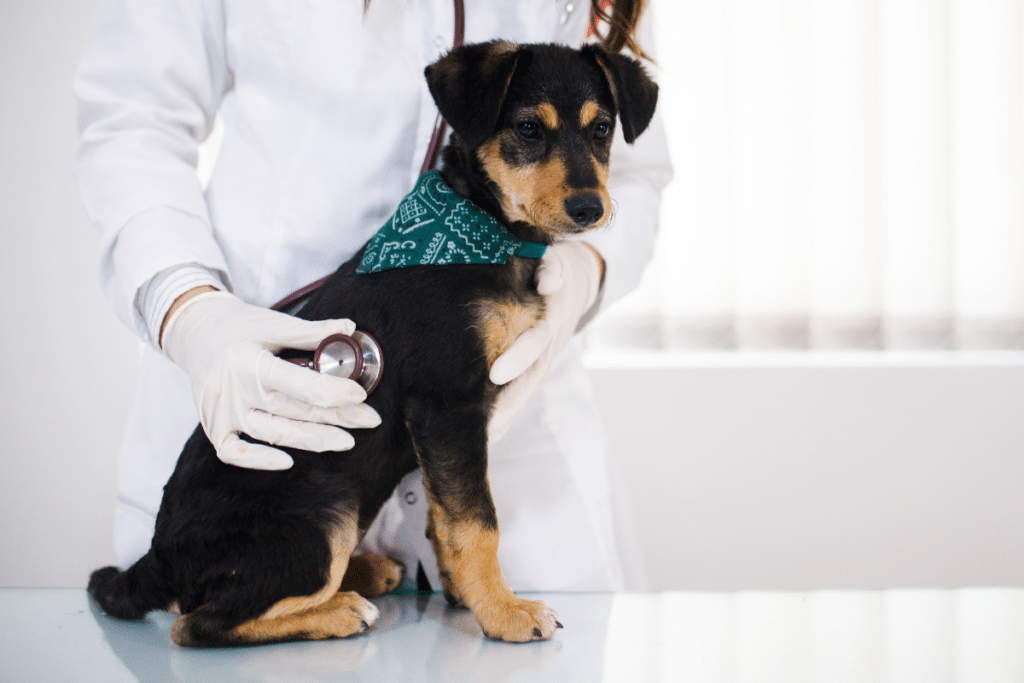
Benefits of Spaying Female Dogs: Prevention and Reproductive Health
Sterilization may have clear benefits, but they’ve got to be evaluated within the context of each patient.
Preventing Pyometra in Female Dogs
Pyometra is a potentially serious infection of the uterus. It can develop weeks after estrus and most commonly affects adult or older, unspayed dogs.
Signs may include:
- Fatigue.
- Fever.
- Loss of appetite.
- Increased thirst.
- Vomiting.
- Vaginal discharge.
- Bloated or painful abdomen.
In some cases of pyometra, there’s no external discharge because the cervix remains closed. In these cases, the pus becomes trapped inside the uterus, and the dog’s condition can deteriorate rapidly.
Spaying significantly reduces the risk of pyometra by eliminating ovarian hormonal activity. When the uterus is also removed, the organ where this infection develops is eliminated as well.
For this reason, the prevention of pyometra remains one of the strongest medical arguments in favor of spaying many dogs.
Reducing the Risk of Breast Tumors in Female Dogs
Mammary tumors are one of the most common types of cancer in unspayed dogs.
For years, it’s been recommended to spay before the first heat cycle because classic studies suggested a significant reduction in the risk of mammary tumors. Currently, the interpretation is more cautious: early spaying appears to have a protective effect, but the exact magnitude of that benefit can’t be determined as precisely as it was in the past.
A systematic review published in 2012 concluded that the available evidence regarding the reduction in the risk of mammary tumours after spaying has limitations and is subject to bias. Therefore, this benefit should be explained with caution and shouldn’t be used as the sole basis for making automatic recommendations.
In practice, this means that protection against mammary tumors may be a factor in favor of spaying, but it shouldn’t be the sole criterion for deciding on the surgery.
The most precise way to explain this is as follows: spaying may reduce the risk of mammary tumors, especially if performed early, but the decision must be weighed alongside breed, age, hormonal history, and other individual factors.
Prevention of Ovarian and Uterine Diseases
Sterilization also prevents or reduces the risk of certain reproductive system diseases.
These include:
- Ovarian cysts.
- Ovarian tumors.
- Cystic endometrial hyperplasia.
- Uterine abnormalities.
- Recurrent false pregnancies in some cases.
- Heat-related problems.
Although some of these conditions are less common than pyometra, they can affect a dog’s quality of life and require medical or surgical treatment.
Prevention of Unwanted Pregnancies
Spaying’s the most effective method for preventing unwanted pregnancies.
This is especially important when a female dog lives with unneutered males, in multi-dog households, in rural settings, or when it’s difficult to fully control her heat cycle.
An unplanned pregnancy can pose risks to both the mother and the puppies, in addition to presenting significant ethical, health, and logistical challenges. Breeding should always be a planned decision and carried out under veterinary supervision.
Key Idea.
Spaying can offer significant benefits, but the decision shouldn’t be based on a single factor alone. It’s significant to consider the prevention of pyometra, the risk of mammary tumors, the dog’s size, age, breed, lifestyle, and the owner’s ability to manage heat cycles.
When to Seek Emergency Care If Your Dog hasn’t Been Spayed
If an unspayed dog’s condition worsens in the weeks following its heat cycle, you should proceed with caution. Pyometra is a serious uterine infection that can progress rapidly and doesn’t always produce visible vaginal discharge.
Take your dog to the emergency vet if you notice:
- Severe weakness.
- Fever.
- Vomiting.
- Marked loss of appetite.
- Significant increase in thirst.
- Distended or painful abdomen.
- Pus-like discharge from the vulva.
- Rapid worsening of symptoms after estrus.
If you’d like more information on this topic, you can read our article on Pyometra in Dogs: Symptoms and When to Go to the Emergency Room.
If your dog shows any of these symptoms, don’t wait until tomorrow—contact our 24-Hour Veterinary Emergency Service.

Risks and Side Effects of Spaying a Female Dog
Talking about risks doesn’t mean being against spaying. It means making better-informed decisions.
Side effects don’t affect all dogs, nor do they have the same significance across all breeds.
Urinary Incontinence in Spayed Dogs
Hormone-sensitive urinary incontinence is one of the adverse effects reported following spaying in female dogs.
It usually manifests as involuntary urine leakage, especially when the dog is sleeping or relaxed. It should not be confused with a urinary tract infection, territory marking, or behavioral problems.
It may be more common in large dogs or in breeds that are predisposed to it, such as:
- Boxer.
- Rottweiler.
- Doberman.
- Setter.
- Weimaraner.
- Springer Spaniel.
- Bobtail.
- Giant Schnauzer.
The good news is that, in many cases, post-spay incontinence can be treated successfully. Even so, this should be explained before surgery, especially in breeds prone to it.
Orthopedic Problems in Certain Breeds Following Early Spaying or Neutering
One of the most significant changes in recent years is the recommendation regarding the age at which medium, large, and giant breed female dogs should be spayed.
Studies by Hart and colleagues have shown that the age when spaying is performed can influence the risk of certain joint disorders, certain cancers, and urinary incontinence, and that recommendations should be tailored to breed and sex.
The joint problems evaluated include:
- Hip dysplasia.
- Elbow dysplasia.
- Anterior cruciate ligament tear.
This risk appears to be more significant when spaying is performed before musculoskeletal development is complete, especially in some medium, large, and giant breeds.
For this reason, a Chihuahua, a Cocker Spaniel, a Labrador Retriever, and a Rottweiler shouldn’t automatically receive the same recommendation.
Possible Association with Certain Tumors: How to Assess the Risk
Some studies have found associations between spaying and an increased risk of certain tumors in some groups of dogs. This point should be addressed with caution so as not to cause alarm.
Among the tumors studied are:
- Mastocytoma.
- Hemangiosarcoma.
- Osteosarcoma.
- Lymphoma.
The key is to distinguish between relative risk and absolute risk.
Relative risk indicates how much a risk increases or decreases compared to another group. Absolute risk indicates the actual probability of that disease occurring.
A disease may double its relative risk, but if it’s rare to begin with, the absolute risk may still be low. This distinction is important for making informed decisions.
Weight Gain After Spaying
After spaying, energy requirements may decrease. If their diet isn’t adjusted, some dogs may gain weight more easily.
This doesn’t mean that a spayed dog will necessarily gain weight. It means it’s a good idea to check:
- Type of Diet
- Daily Food Intake
- Treats and Extras
- Activity Level
- Body Condition
- Weight Change
Being overweight isn’t just a matter of appearance. It can increase the risk of metabolic, respiratory, and joint diseases, and reduce quality of life.
After surgery, it may be helpful to review the nutritional plan and weight management for dogs to adjust their diet to their new needs.

To make a level-headed decision.
A potential increase in risk that was found in a study doesn’t mean that a dog will develop that disease. The decision should be based on an assessment of the actual risk for that specific patient, not just general data.
What’s the best age to spay a female dog, depending on breed and size?
There’s no one-size-fits-all ideal age for all dogs.
The right age depends on:
- Breed.
- Expected adult size.
- Growth rate.
- Risk of pyometra.
- Risk of mammary tumors.
- Orthopedic risk.
- Risk of urinary incontinence.
- Living with other dogs.
- Manageability during heat.
Current evidence moves away from automatic recommendations and favors more personalized decisions based on breed, sex, age, and medical goals. Recent reviews on castration in dogs emphasize that the effects of sterilization can vary depending on breed, sex, and the disease you want to prevent.
When to Spay Small-Breed Dogs
For many small-breed dogs, spaying can be contemplated around 6 months of age, provided they’re healthy, have developed properly, and there aren’t any individual factors that would make it advisable to wait.
In these breeds, the adverse orthopedic effects associated with early spaying seem less evident than in larger breeds.
Even so, each case must be evaluated individually. A small dog with very problematic heat cycles or living with unneutered males isn’t the same as a dog with a low risk of pregnancy and good management during heat.
When to Spay Medium-Sized Dogs
For medium-sized breeds, the decision often requires more careful consideration.
For many dogs, it’s reasonable to wait until they’ve completed part of their development before undergoing surgery. In some cases, it may be best to spay them after their first heat cycle or between their first and second years of life, depending on the breed and individual circumstances.
It’s especially important to make decisions on a case-by-case basis for breeds such as:
- Cocker Spaniel.
- Beagle.
- Border Collie.
- Medium Schnauzer.
- French Bulldog.
- Staffordshire Bull Terrier.
When to Spay Large-Breed Dogs
In large dogs, spaying before they’ve finished growing may increase the risk of certain orthopedic problems in some breeds.
That’s why, for many large dogs, it’s recommended to avoid spaying too early and to consider waiting at least until 12–18 months, or even longer in some cases.
It’s especially important to assess each dog individually in breeds such as:
- Labrador Retriever.
- Golden Retriever.
- German Shepherd.
- Rottweiler.
- Boxer.
- Doberman.
- Bernese Mountain Dog.
- Setter.
In these female dogs, the decision should strike a balance between the benefits in terms of preventing pyometra and mammary tumors and the potential orthopedic, urinary, and oncological risks described in the research.
When to Spay Giant Breed Dogs
In giant breeds, growth is slower, and musculoskeletal maturity occurs later.
For many giant dogs, it’s advisable to wait until they’re 18–24 months old or to assess on a case-by-case basis whether to spay them, when to do so, and for what purpose.
The decision should consider:
- Risk of pyometra.
- Orthopedic predisposition.
- Family history of cancer.
- Lifestyle.
- Management during heat.
- Actual reproductive risk.

Guidelines: Age for Spaying a Female Dog Based on Her Size
This chart should not replace a veterinary evaluation, but it can help explain why not all dogs should be spayed at the same age.
| Type of Dog | Typical Assessment Age | Important note |
| Small breed. | Around 6 months in many cases. | Must be healthy and growing normally. |
| Medium-sized breed. | After the first heat or between the first and second year, depending on the case. | It is important to consider breed, growth, and individual risks. |
| Large breed. | Often between 12 and 18 months. | It’s best to wait until the musculoskeletal system is more developed. |
| Giant breed. | In numerous instances, between 18 and 24 months. | The decision must be tailored to each individual case. |
| Adult female dog. | It can be spayed if their health permits. | Pre-anesthetic evaluation and a personalized plan are required. |
| Dog with abnormal signs of reproduction. | It should be evaluated as soon as possible. | A prior diagnosis may be required before undergoing surgery. |
Age depends on size.
For small breeds, it’s advisable to consider spaying earlier. For medium, large, or giant dogs, waiting until they’re more physically mature may be important to reduce certain risks associated with development.
Should you spay before or after the first heat cycle? What to Consider
It depends on the situation.
Why spaying before the first heat cycle might make sense
It may be a suitable option for some small, healthy dogs with no specific risk factors.
The potential benefits are:
- Prevent the first heat.
- Reduce the risk of unwanted pregnancy.
- Decrease the likelihood of pseudopregnancy.
- Potentially reduce the risk of mammary tumors.
When it might be best to wait to spay
In medium, large, or giant-sized dogs, waiting may allow for more full physical development.
Sex hormones play a role in musculoskeletal maturation. Therefore, removing ovarian function too early may affect the development of certain breeds.
It’s also prudent to wait in dogs that are predisposed to urinary incontinence or in breeds where studies have identified potential risks associated with early spaying.
So, is it better to spay before or after the first heat cycle?
There’s no one-size-fits-all answer.
For a small dog, it may be appropriate to spay before or around its first heat cycle if there aren’t any medical reasons against it.
For a large or giant dog, it may be wiser to wait until the dog has reached physical maturity.
The best decision is the one made after evaluating the specific case, not the one based on customary practice.
Are there some cases when sterilization may not be the best option?
Yes. In some cases, it’s reasonable to consider not spaying, at least initially.
This option can be considered when:
- The dog belongs to a breed with an increased risk of orthopedic or oncological issues associated with early spaying.
- There’s a history of relevant family cases.
- The owners can safely manage heat cycles.
- There are no unneutered males in the household.
- The risk of pregnancy is well controlled.
- There are no problematic false pregnancies.
- There are no reproductive disorders.
- The owners agree to undergo regular veterinary checkups.
Not spaying doesn’t just mean doing nothing. It means committing to a preventive care plan.
For an unspayed dog, it’s important to keep an eye on:
- Changes in the breasts.
- Changes in estrus.
- Abnormal vulvar discharge.
- Increased thirst.
- Lethargy after estrus.
- Severe false pregnancies.
- Behavioral changes associated with their cycle.
- Signs consistent with pyometra.
Not spaying also requires follow-up.
In some cases, it’s reasonable not to spay, but that decision must be accompanied by regular checkups, breast monitoring, heat cycle management, and attention to possible signs of pyometra.
In these cases, a preventive care plan for dogs helps to systematically assess risks and detect significant changes early on.
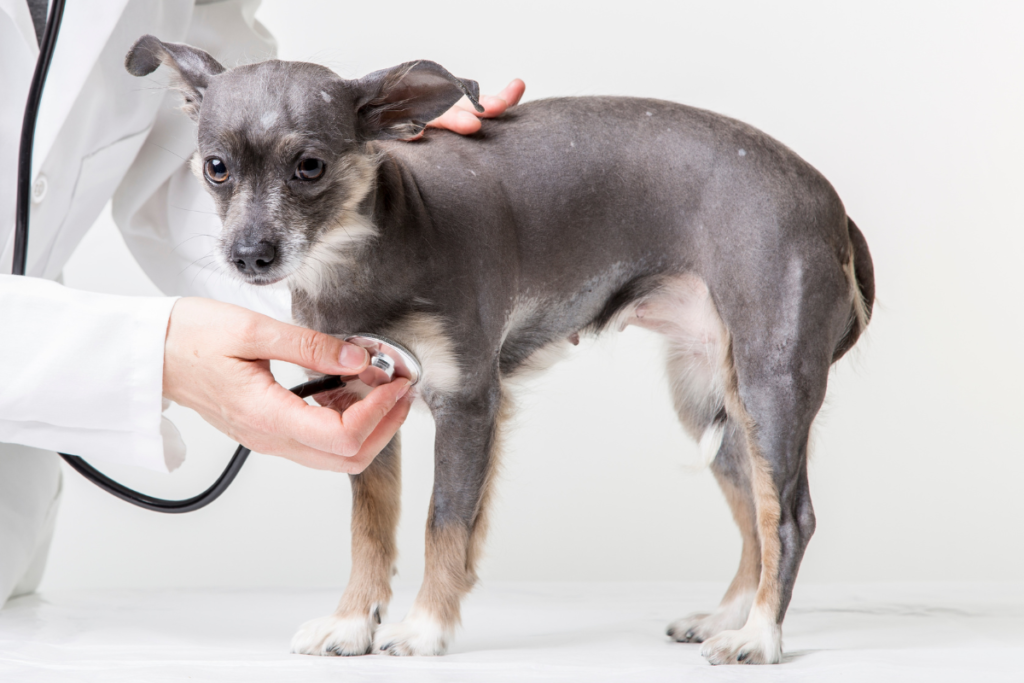
Does spaying impact a dog’s behavior?
Spaying or neutering can alter certain behaviors related to the hormonal cycle, but it shouldn’t be considered a general treatment for behavioral problems.
It can help in situations such as:
- Notable changes in behavior during heat.
- Recurrent pseudopregnancies with behavioral changes.
- Restlessness associated with specific hormonal phases.
- Risk of running away during heat.
But these don’t always go away on their own:
- Phobias.
- Separation anxiety.
- High emotional sensitivity or reactivity.
- Aggression due to insecurity.
- Adjustment problems.
- Learned behaviors.
If you have concerns about your dog’s behavior, it’s recommended that you have their case evaluated by a veterinary team with training in ethology and canine behavior. Surgery shouldn’t replace a comprehensive behavioral evaluation.
What We Consider Before Spaying
Before recommending surgery, it’s important to assess whether spaying is appropriate for your dog and when the best time is to have the procedure done.
During a surgical pre-assessment, we’ll review:
- Breed, size, and physical development.
- Age and stage of the heat cycle.
- Overall health status.
- Reproductive history.
- Presence of pseudopregnancies.
- Risk of pyometra.
- Risk of mammary tumors.
- Orthopedic risk in predisposed breeds.
- Risk of urinary incontinence.
- Weight and body condition.
- If they live with other dogs.
- Ability to safely manage during heat.
- Anesthetic risk.
- Need for preoperative blood work.
- Pain management plan.
- Postoperative care at home.
In an city environment like Barcelona, we also consider practical factors such as how the dog interacts with other dogs, managing walks when in heat, the risk of accidental mounting, and the availability of postoperative follow-up care.
This assessment helps us make a more informed decision, especially for medium, large, and giant-sized dogs, as well as adult dogs or those with a medical history.
Our Approach at Balmesvet: Personalized and Safe Spaying
At Balmesvet, we take an individualized approach to spaying your dog, considering her breed, size, age, development, previous health history, lifestyle, and the specific risks for each patient.
Our goal is to help you make an informed, confident, and safe decision. We explain the benefits, potential risks, and alternatives so you can make a sound decision free of pressure.
In addition, we take a respectful approach throughout the entire process, considering not only the dog’s physical health but also her emotional well-being before, during, and after the procedure.
This includes:
- Tailor the visit to reduce fear and anxiety.
- Use respectful care techniques.
- Ensure proper pain management from the start.
- Plan safe anesthesia specifically for each patient.
- Provide individualized support during recovery.
- Address any questions before and after surgery.
At Balmesvet, we don’t view spaying as a standard recommendation, but rather as a personal medical decision. Every female dog has different genetics, development, and needs.
Frequently Asked Questions About Spaying
What is the best age to spay a female dog?
It depends on the breed, size, and developmental stage. For small breeds, it may be considered around 6 months of age if there are no contraindications. For medium, large, or giant breeds, it’s generally recommended to wait until the dog has reached further physical maturity.
Is it better to spay before or after her first heat cycle?
It depends on the situation. Before the first heat cycle, some reproductive risks may be reduced, but for medium, large, or giant-sized dogs, waiting may be more appropriate to allow for full physical development.
Does spaying prevent pyometra?
Spaying significantly reduces the risk of pyometra by eliminating ovarian hormonal activity. If the uterus is also removed, this eliminates the organ where these infections develop.
Does spaying prevent mammary tumors?
It can reduce the risk, especially if done early on. However, current evidence suggests that this benefit should be presented with caution and that each case should be evaluated on an individual basis.
Do spayed dogs tend to gain weight?
Yes, your pet may be more prone to gaining weight if her diet isn’t adjusted. With a proper dietary plan, portion control, and regular exercise, a spayed dog can stay at a healthy weight.
Is urinary incontinence a possible side effect of spaying?
Yes, it can occur in some dogs, especially in large breeds or those that are genetically prone to it. It usually shows up as urine leakage while resting or sleeping. In many cases, it’s treatable.
Can an adult dog be spayed?
Yes. An adult dog can be spayed, and in some cases, this may be recommended to prevent pyometra or other reproductive disorders. It’s advisable to have a thorough evaluation performed before the surgery.
What is the typical recovery time after spaying?
Most dogs recover gradually within a few days, although rest and wound care are usually required for one or two weeks. The veterinary team will let you know when your dog can resume its normal activities.

Sources and Scientific Research on Spaying in Female Dogs
This information is based on veterinary literature regarding sterilization in female dogs, pyometra, mammary tumors, age at the time of spaying, urinary incontinence, and breed-specific risks.
Primary sources consulted:
- Jitpean et al., 2012. A population-based study of breed-specific variations in the incidence of pyometra and mammary tumors in female dogs in Sweden.
- Beauvais, Cardwell, and Brodbelt, 2012. A systematic review of the effect of spaying on the risk of mammary tumors in female dogs.
- Hart et al., 2020. Study on the age of spaying in 35 breeds and its association with joint disorders, certain cancers, and urinary incontinence.
- Romagnoli, 2025. Review on when and whether to spay companion dogs based on available research.
Do you have questions about spaying your dog? We’ll help you decide
Spaying can be a valuable preventive measure, but it shouldn’t be decided as a matter of course.
There’s no one-size-fits-all decision for every dog, but there is the right decision for yours. Our team can help you weigh the benefits and potential risks based on your dog’s breed, age, health, and lifestyle, so you can decide with all the information and peace of mind you need.
If you have questions about whether to spay your dog, or about the best time to do so, at Balmesvet we’ll help you make an well-informed and confident decision.


 Barcelona, C/ Balmes nº 205
 931 173 173
 info@balmesvet.com