


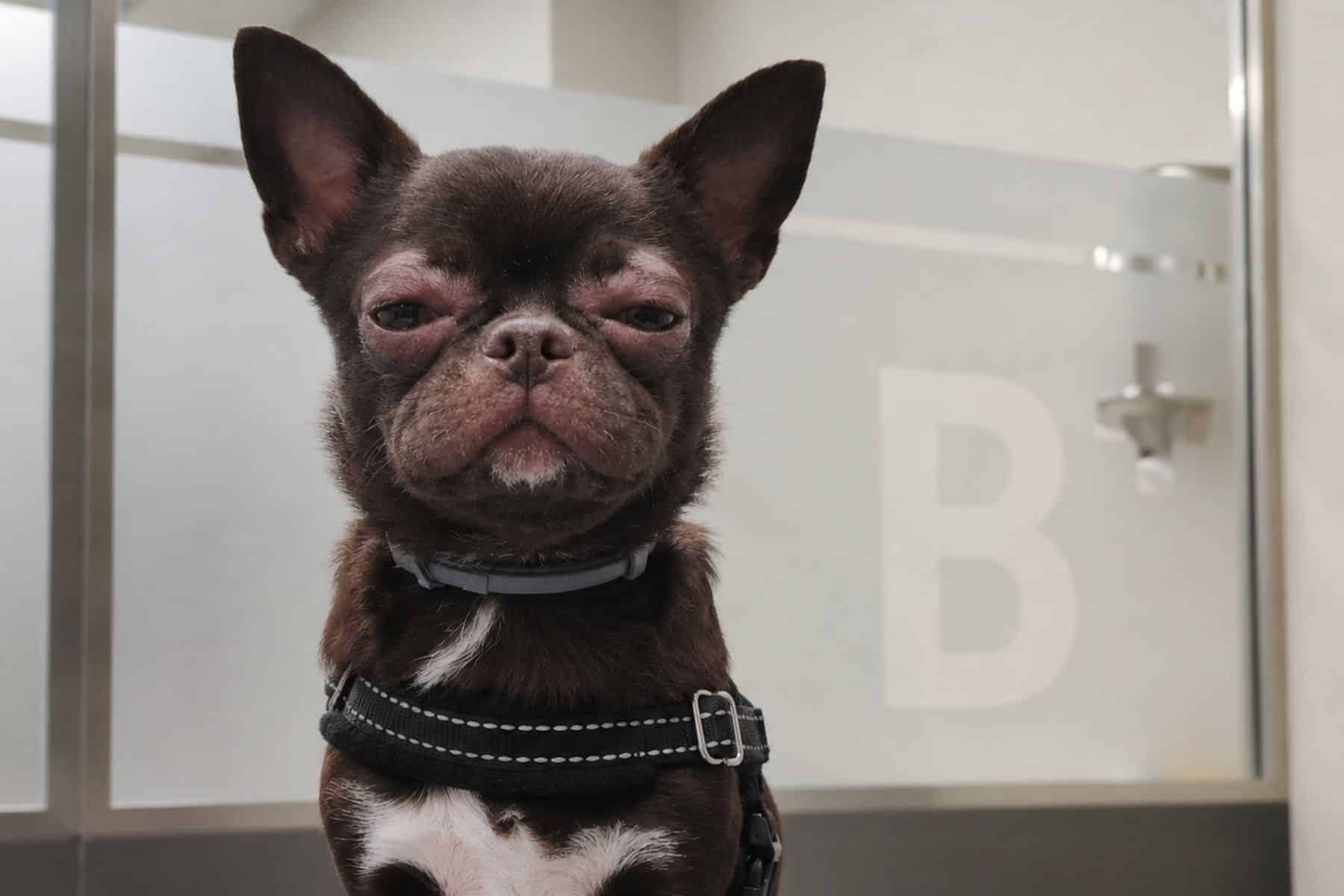
My pet’s face swelled up: Could it be a bug bite?
A bug bite can cause anything from minor swelling to a severe allergic reaction in both cats and dogs. When your pet’s face swells suddenly, it’s important to check for other symptoms, especially if they have trouble breathing, swelling of the tongue or throat, repeated vomiting, weakness, or loss of consciousness.
Insect bites are particularly common during the spring and summer months, when cats and dogs spend more time outdoors and have more contact with insects. Although most cases improve, some reactions require immediate veterinary care.
What to Do Based on Symptoms: A Quick Guide
| What you see | What to do |
| Mild, isolated swelling. | Keep an eye on how things look for the next few hours. |
| Mild itching or redness without other symptoms. | Keep an eye on it and see if it gets worse. |
| Swollen face or sudden onset of facial swelling. | Contact a veterinarian for an appointment. |
| A sting in the mouth, tongue, or throat. | See a veterinarian as soon as possible. |
| Difficulty breathing, swelling of the tongue or throat, or frequent vomiting. | Go to the emergency room immediately. |
| Weakness, pale or bluish gums, collapse, or loss of consciousness. | Immediate veterinary care. |
If you have any concerns about how a bite is healing, it’s best to consult a veterinarian, especially if the symptoms get worse or affect your pet’s breathing.
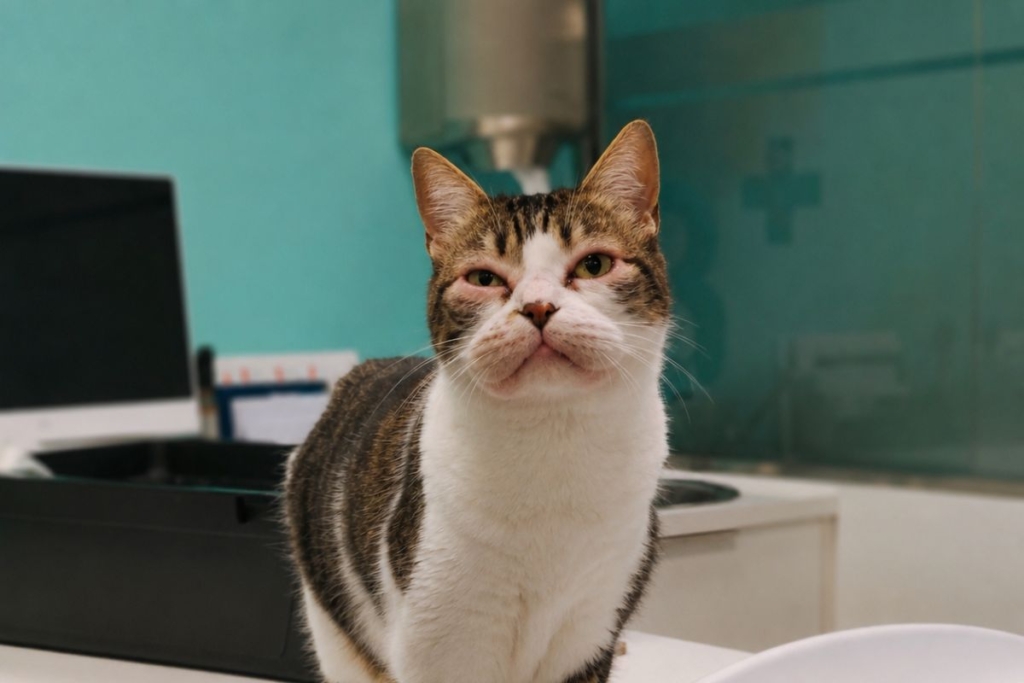
What Is Angioedema in Cats and Dogs?
Angioedema is a rapid swelling of the deep layers of the skin that typically affects the face, lips, and eyelids. In cats and dogs, it often results from an allergic reaction triggered by an insect bite, although it can also be associated with other causes.
This swelling can develop within minutes or a few hours and, in some cases, spread to the neck or throat, becoming a potentially life-threatening emergency.
Insect Bites in Cats and Dogs: A Common Risk in Spring and Summer
With the arrival of warmer weather, our pets spend more time in areas where insects are common. Insect bites are among the most common problems during the warmer months, along with other seasonal risks such as Heatstroke, Burrs, and parasites.
Parks, gardens, patios, flower beds, wetlands, and outdoor dining areas tend to attract insects that can cause minor skin irritations or allergic reactions.
In most cases, a bite causes pain, itching, redness, or a small patch of swelling. However, some patients develop a more severe inflammatory reaction that can appear within minutes.
During the spring and summer, it’s relatively common for veterinary emergency rooms to treat cases of acute facial swelling following walks in parks, gardens, or areas with dense vegetation.
What Insects Bite Most Often?
The insects that most commonly cause discomfort or allergic reactions are:
- Bees.
- Wasps.
- Mosquitoes.
- Horseflies.
- Ants.
- Other arthropods.
Bee and wasp stings are most commonly associated with angioedema and acute allergic reactions.
Dogs are often at risk when trying to catch insects during walks or while exploring areas with flowers and vegetation. Cats can get bitten in gardens, on patios, on balconies, or while hunting insects indoors.
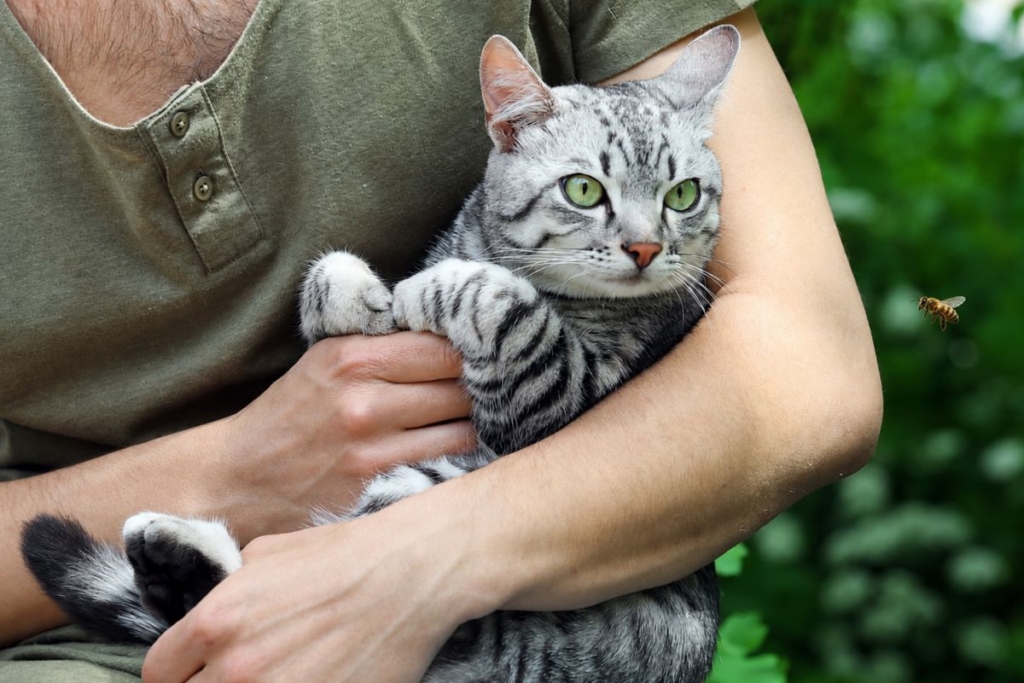
A Swollen Face in Dogs: Is It Always Caused by a Bug Bite?
Not necessarily.
Although insect bites are one of the most common causes of sudden facial swelling, there are other conditions that can cause a similar symptom.
Among the most common causes are:
- Insect bites.
- Dental abscesses.
- Skin and soft tissue infections.
- Traumatic injuries.
- Bites.
- Adverse drug reactions.
- Autoimmune diseases.
- Eye problems.
That’s why, when the cause isn’t clear or other related symptoms appear, it’s a good idea to get a veterinary appointment.
Why a Sting Can Cause an Allergic Reaction and Angioedema
When an insect bites, it injects irritants or venom into the skin. The body responds by activating defense mechanisms to fight off these substances.
In some cats and dogs, the immune system overreacts and triggers a massive release of inflammatory proteins. This can lead to:
- Hives.
- Severe itching.
- Facial swelling.
- Vomiting.
- Weakness.
- Difficulty breathing.
The severity of the reaction depends on multiple factors:
- The type of insect.
- The amount of venom injected.
- The affected area.
- The patient’s individual susceptibility.
- A history of previous reactions.
- Overall health.
When inflammation influences the deep layers of the skin, we refer to it as angioedema. This reaction usually appears within minutes or a few hours and primarily affects:
- Snout.
- Lips.
- Eyelids.
- Cheeks.
- Ears.
- Neck.
- Throat.
In dogs, there is often noticeable swelling of the face, accompanied by an enlarged muzzle and severely swollen eyelids.
In cats, it’s harder to detect at first because they tend to hide their discomfort. Even so, they may exhibit facial swelling, itching, excessive drooling, restlessness, or breathing difficulties.
Mild symptoms after a sting
- Licking or scratching a single spot.
- Pain when touched.
- Localized swelling.
- Redness.
- Mild limping.
- Some temporary discomfort.
Signs of angioedema or an allergic reaction
- Swelling of the face.
- Swelling of the lips or eyelids.
- Hives.
- Intense itching.
- Restlessness.
- Excessive salivation.
- Nausea.
- Isolated episodes of vomiting.
Symptoms requiring emergency veterinary care
- Difficulty breathing.
- Breathing with a wheezing sound.
- Swelling of the tongue or throat.
- Pale or bluish gums.
- Persistent vomiting.
- Severe diarrhea.
- Severe weakness.
- Staggering.
- Collapse.
- Loss of consciousness.

Mild stings, Angioedema, or Anaphylaxis: How to Judge Severity
| Location | Common Symptoms | Emergency level |
| Topical sting. | Pain, itching, and localized swelling. | Keep an eye on it and consult a vet if symptoms worsen. |
| Angioedema. | Swollen face, puffy eyelids, hives, or severe itching. | Quick veterinary advice. |
| Anaphylaxis. | Difficulty breathing, vomiting, weakness, collapse, or shock. | Immediate veterinary attention. |
Recognizing these different scenarios allows us to act accordingly and avoid delaying potentially serious circumstances.
What Should You Do If Your Cat or Dog Gets Bitten by an Insect?
Stay calm and watch for symptoms
Check their breathing, whether they’re active, and whether they show signs such as vomiting, weakness, or facial swelling.
Don’t focus solely on the bite. The patient’s overall condition is the most important thing to keep in mind.
Locate the affected area
Carefully check these areas:
- Paw pads.
- Between the toes.
- Muzzle.
- Lips.
- Ears.
- Armpits.
- Groin.
- Abdomen.
Don’t force it whether they are in pain or have difficulty breathing.
If there’s a stinger, remove it without squeezing
In some bee stings, the stinger may still be visible. If it comes out easily, remove it carefully to avoid squeezing the venom sac.
Apply cold locally and properly
This can help reduce swelling and pain in mild cases.
Never apply ice directly to the skin.
Do not give them medication meant for humans
You shouldn’t give your pet antihistamines, anti-inflammatory drugs, cortisol drugs, or pain relievers without a veterinarian’s recommendation.
Some medications commonly used by people can be dangerous for pets.
Keep an eye on the situation over the hours
Even if it seems like a mild reaction at first, keep a close eye on the situation over the next few hours.
If the swelling gets worse or new symptoms appear, consult a veterinarian.

When to Head Directly to the Vet ASAP
A veterinary visit is urgent when the following symptoms appear:
- Severe facial swelling.
- Rapid or progressive swelling.
- Difficulty breathing.
- Stinging in the mouth, tongue, or throat.
- Vomiting or diarrhea.
- Weakness.
- Collapse.
- Severe pain.
- Stinging near the eye.
- History of severe allergic reactions.
When breathing difficulties or a systemic reaction occur, immediate veterinary care is critical to stabilize the patient and prevent potentially serious complications.
Diagnosing Allergic Reactions From Stings and Bites: Our Approach
The diagnosis is usually based on the patient’s medical history and a physical examination.
The vet will assess:
- When the symptoms began.
- Possible exposure to insects.
- Presence of facial swelling.
- Presence of hives.
- Difficulty breathing.
- Vomiting or diarrhea.
- History of allergies.
- Cardiovascular and respiratory status.
When diagnoses are unclear or other causes of facial swelling are suspected, additional tests may be necessary.
Veterinary Treatments for Angioedema in Cats and Dogs
Treatment will depend on the severity of the reaction.
It may include:
- Antihistamines.
- Steroids.
- IV fluids.
- Oxygen therapy.
- Pain management.
- Round-the-clock monitoring.
- Adrenaline in cases of anaphylaxis.
- Hospitalization.
Patients with respiratory distress or severe systemic complications may require hospitalization and constant monitoring.
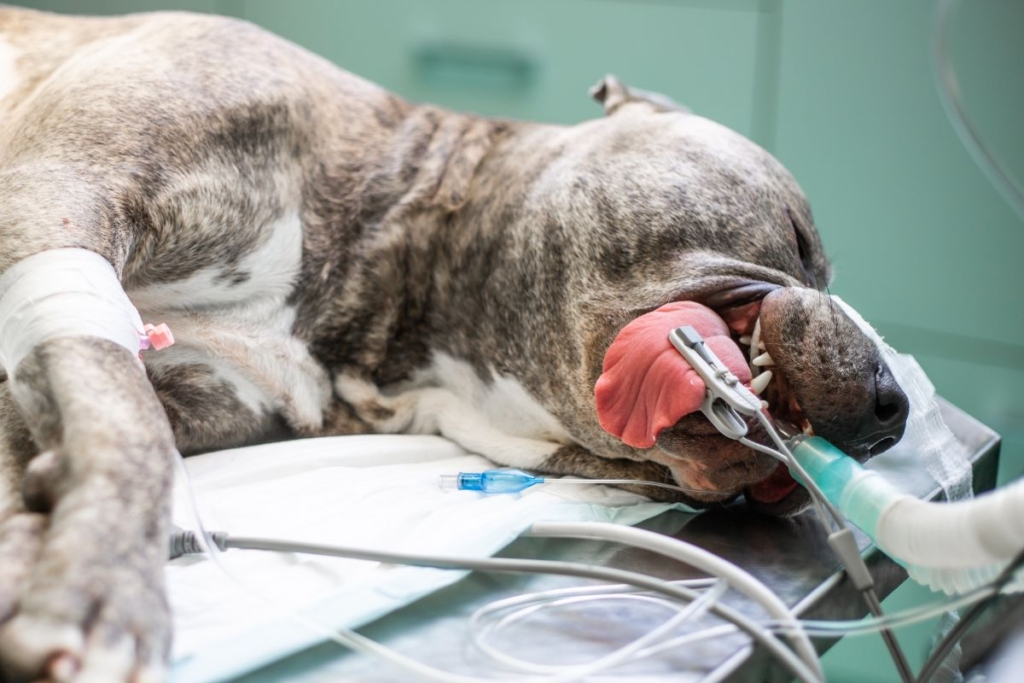
Insect Bites in the Mouth: A Particularly Serious Situation
- Many dogs try to catch bees or wasps by mouth. This can result in stings to:
- The tongue.
- The lips.
- The gums.
- The roof of the mouth.
- The throat.
These situations are particularly concerning because swelling can block the airway.
- See a veterinarian immediately if you notice:
- Excessive drooling.
- Difficulty swallowing.
- Gagging.
- Coughing.
- Wheezing.
- Swollen tongue.
- Severe restlessness.
Bites or Stings Near the Eyes: What to Do
A bite can cause a sudden swelling in a dog’s or cat’s eye, especially when it affects the eyelids or the tissues surrounding the eye.
Consult a veterinarian if you notice:
- An eye swollen shut.
- Watery eyes.
- Pain.
- Intense scratching.
- Redness of the eye.
- Discharge.
- Changes in the appearance of the eye.
Don’t use eye drops or ointments without a veterinarian’s approval.
Which Cats or Dogs are Most at Risk?
History of Allergies: Higher Risk of a Reaction
Having had previous reactions increases the risk of developing similar or more intense reactions in the future.
Dogs Chasing Insects: The Risk of Being Stung in the Mouth
They’re more likely to be bitten on the mouth and snout.
Brachycephalic Breeds: Increased Respiratory Risk
Bulldogs, pugs, boxers, Shih Tzus, Persians, and exotic breeds may experience more respiratory complications due to their anatomy.
Puppies, Senior Dogs, and Dogs with Medical Conditions: The Most At-Risk
They may have a reduced ability to fight off a severe reaction.
In feline medicine, we also observe that many cats show more subtle warning signs and tend to hide their discomfort during the early stages of an allergic reaction.
How to Prevent Insect Bites in Cats and Dogs
During walks
- Avoid areas with large concentrations of bees or wasps.
- Don’t let your dog stick its nose into bushes or holes.
- Keep an eye on your dog if it tries to catch insects.
- Check its paws and snout once you’re home.
On Patios and Yards
- Don’t leave food out in the open.
- Pick up any ripe fruit that’s fallen to the ground.
- Check for possible wasp nests.
- Avoid standing water.
At Home
- Keep up with a consistent flea and tick prevention routine.
- Use only products recommended by your veterinarian.
- Always make sure that indoor insecticides are safe for the animal.

What Not to Do After a Bite
Some common mistakes can actually make the situation worse:
- Administering human medication without a veterinarian’s prescription.
- Waiting for severe facial swelling to go away on its own.
- Handling the mouth when the animal’s having difficulty breathing.
- Delaying a veterinary visit if the swelling continues to worsen.
- Applying alcohol or other irritating substances.
- Ignoring symptoms such as vomiting and weakness.
- Using parasite control products that aren’t suitable for the species.
Frequently Asked Questions About Insect Bites and Angioedema in Cats and Dogs
Is it normal for my dog’s face to swell up after being bitten or stung?
Facial swelling may indicate an inflammatory or allergic reaction. Although some reactions are mild, it’s recommended to consult a veterinarian to determine the cause and whether treatment is necessary.
A swollen face but they’re acting normal?
If the swelling is mild and your dog is active, eating normally, and showing no signs of difficulty breathing or other symptoms, it may be a local or mild reaction. Even so, it’s a good idea to keep an eye on how things develop over the next few hours and consult a veterinarian if the swelling worsens or new symptoms appear.
How long does it take for angioedema to appear?
It’ll usually appear anywhere from a few minutes to several hours after the bite.
Can a sting or a bite cause difficulty in breathing?
Yes. Especially when it affects the mouth, tongue, or throat, or when it triggers a severe allergic reaction.
Can a bug bite be fatal for cats and dogs?
Most aren’t serious, but some can trigger anaphylaxis or life-threatening airway obstruction.
What should I do if a wasp stings my dog?
Monitor their condition closely and seek medical attention immediately if they develop facial swelling, difficulty breathing, or any other warning signs.
What should I do if a bee stings my cat?
Watch for signs of facial swelling, changes in behavior, excessive drooling, or breathing difficulties. If you can locate the stinger and your cat will let you touch it, you can try to remove it carefully without squeezing it. If it’s difficult to do or you’re unsure, it’s best to take your cat to the vet.
How long does the swelling last after a sting?
Mild reactions usually improve within a few hours or a few days. More severe reactions may require veterinary treatment.
Can I give them an antihistamine meant for humans? (Without consulting a veterinarian)
No. You shouldn’t ever administer medication without first consulting a veterinarian.
Could it happen again if they already had an allergic reaction?
Yes. Patients with a history of angioedema or severe allergic reactions may experience similar reactions if exposed again.
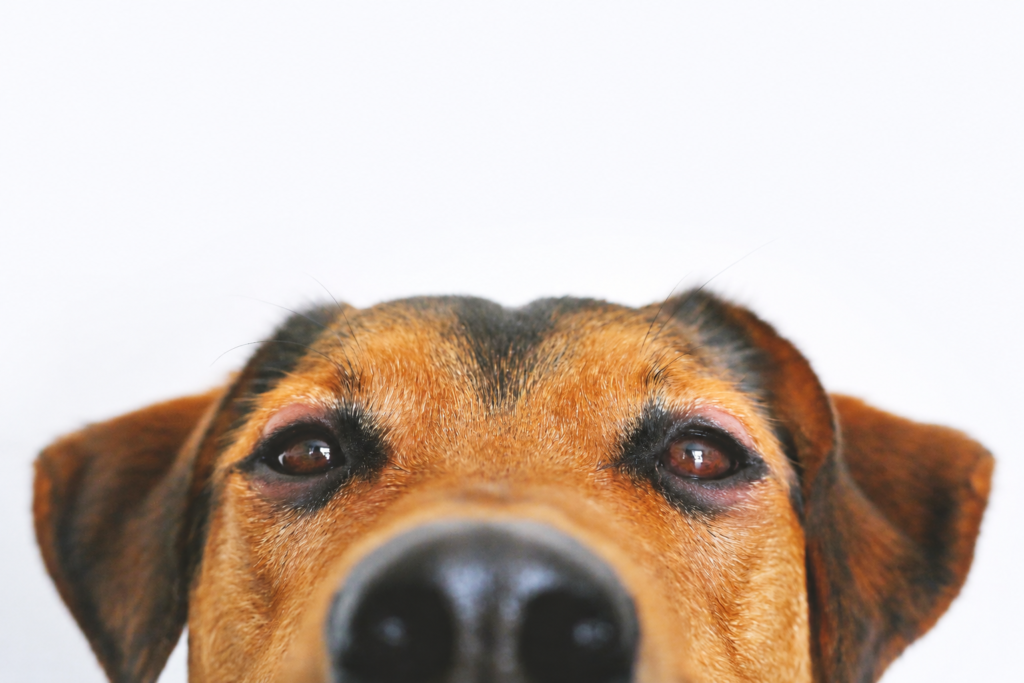
Not Sure if the Swelling’s Cause for Concern? When to See a Veterinarian
If your dog or cat’s face has suddenly swollen up and you’re not sure whether it’s a mild reaction or an emergency, a veterinary evaluation can help determine the level of risk and the most effective treatment.
Most insect bites cause only mild discomfort, but any sudden facial swelling should be treated with caution, as it may be the first sign of a potentially serious allergic reaction.
At Balmesvet, we’ve got 24-hour veterinary emergency care, hospitalization, ICU, our own laboratory, diagnostic imaging, and a team with experience in managing acute allergic reactions in dogs and cats.
Balmesvet Veterinary Hospital
| Information | |
| Address | Carrer Balmes 205, 08006 Barcelona |
| Parking | Balmes 200 (30 min visits; up to 1 hour emergencies) |
| Phone | 931 173 173 |
| atencioclient@balmesvet.com | |
| Consultations | 8:30–20:00 |
| Emergency/Hospitalization | 24/7 |
Need help? Call us or make an appointment. 24/7 emergency services available.


 Barcelona, C/ Balmes nº 205
 931 173 173
 info@balmesvet.com