



As summer approaches, there’s an increased risk of heatstroke, fleas, parasites, insect bites, and other issues when traveling with cats and dogs. Luckily, with some simple preventive measures and early detection of warning signs, most of these situations can be avoided or treated quickly.
In Barcelona and other Mediterranean regions, high temperatures, tick bites, and vector-borne diseases such as leishmaniasis are among the most common summer risks.
In addition to the heat, this time of year means more outdoor activities, travel, visits to beaches or nature, and exposure to insects and parasites—circumstances that can increase the risk of health problems if basic precautions aren’t taken.
In this guide, we’ve compiled the main summer risks for cats and dogs, practical prevention tips, and useful resources to help you enjoy this time of year more safely and with greater peace of mind.
| Risk | Frequency | When to Seek Care |
|---|---|---|
| Heatstroke | Very high | Always immediately |
| Burrs/Splinters | Very high | When in doubt |
| Parasites | High | Prevention and follow-up |
| Insect bites | Medium-high | If there’s significant swelling |
| Travel | Medium | If signs of stress or illness appear |

How to Protect Your Cat or Dog from Summer Hazards
Most summer problems can be prevented with a few simple measures. If you’d like to reduce the risks associated with heat, burrs, parasites, or travel, here are the most important recommendations:
- Always keep fresh water available.
- Avoid walks during the hottest part of the day.
- Check their paws, ears, and fur after every walk.
- Keep their parasite prevention up to date.
- Never leave a cat or dog inside a car.
- Always supervise water activities.
- Plan trips in advance.
- Seek veterinary care immediately if you notice any warning signs.
These measures help prevent some of the most common veterinary emergencies during the warmer months and allow you to enjoy the summer with greater peace of mind.
Next, we’ll go over the main summer hazards for cats and dogs and how to protect them in the hottest months of the year.
Heatstroke in Cats and Dogs: The Deadliest Emergency In Summer
Heatstroke is one of the most serious veterinary emergencies during the warmer months. It occurs when the body is unable to eliminate excess body heat, causing the body temperature to reach dangerous levels.
Brachycephalic cats and dogs, geriatric patients, and those who are overweight or have respiratory diseases are at higher risk.
Some warning signs include:
- Excessive panting.
- Weakness or lethargy.
- Vomiting.
- Disorientation.
- Collapse.
Prevention involves staying out of the sun during the hottest part of the day, ensuring proper hydration, and never leaving cats or dogs inside a vehicle.
In our guide to heatstroke in cats and dogs, we explain how to recognize this emergency, what to do while you’re on your way to the vet, and what the most effective preventive measures are.

Burrs & Splinters in Cats and Dogs: Symptoms, Risks, and Prevention
Burrs are one of the most common reasons for medical consultations during the warmer months. They can get lodged in the ears, nose, eyes, or between the toes, causing pain, inflammation, and complications if not caught in time.
The most common symptoms include:
- Repeated head shaking.
- Intense sneezing.
- Sudden limping.
- Persistent licking of a specific area.
- Localized discomfort or inflammation.
Checking your pet’s paws, ears, and fur after walks is one of the most important preventive measures.
If you’d like to learn about the symptoms based on the spot where the splinter is located and the possible complications, you can find more information in our article on burrs in cats and dogs.
Summer Parasites: Leishmaniasis, Ticks, and Diseases in Cats and Dogs
Throughout the summer, there’s an increase in the activity of fleas, ticks, and vectors such as sand flies, which are known to transmit various diseases.
Some of the most notable ones include:
- Leishmaniasis.
- Ehrlichiosis.
- Anaplasmosis.
- Heartworm disease.
The best approach is still prevention through proper parasite control and regular veterinary checkups.
In our article on canine leishmaniasis, you’ll find detailed information about its transmission, symptoms, and preventive measures.
Insect Bites in Cats and Dogs: Allergic Reactions and When to Be Concerned
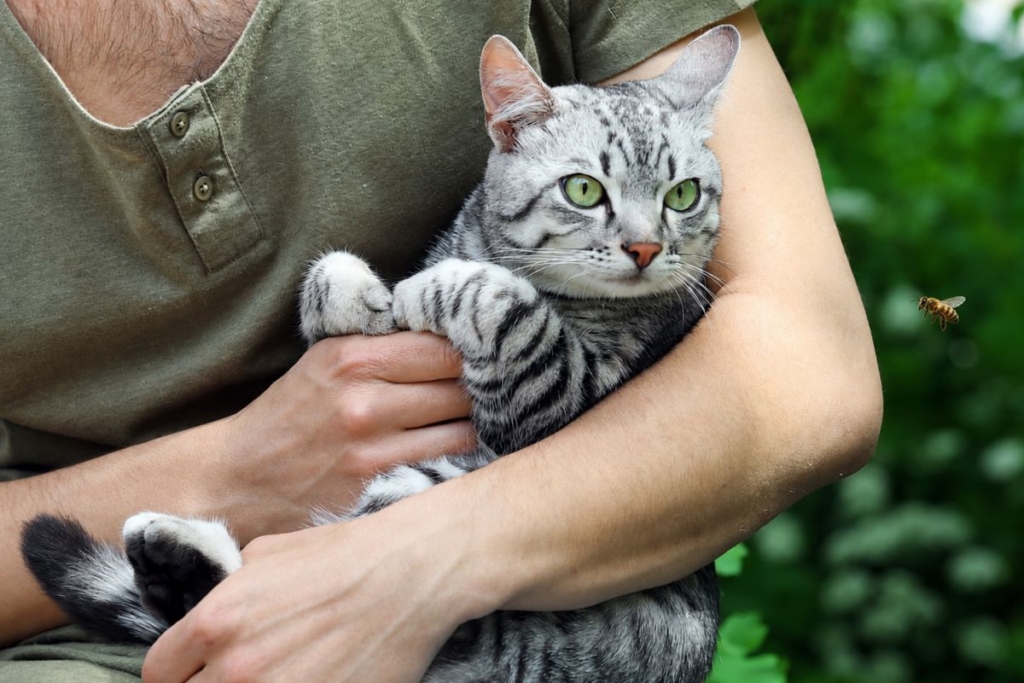
Stings from bees, wasps, and other insects are more common during the summer. Most cause only local swelling and mild discomfort, although some can trigger severe allergic reactions such as angioedema—a sudden swelling of the face, lips, or eyelids—which, in some cases, can become a veterinary emergency.
It’s important to see a veterinarian if the following symptoms appear:
• Rapid swelling of the face or muzzle.
• Difficulty breathing.
• Severe weakness.
• Vomiting.
• Colllapse.
In the event of any rapidly developing reaction, a veterinary evaluation shouldn’t be delayed.
If you’d like to know how to tell the difference between a mild reaction and a potentially serious emergency, check out our comprehensive guide on angioedema and allergic reactions to insect bites in cats and dogs.
Beaches and Pools with Dogs: Summer Risks and Tips
Water activities can help beat the heat and provide low-impact exercise, especially for dogs that enjoy the water.
However, it’s also important to keep in mind certain risks:
- Heatstroke during long trips.
- Skin irritations.
- Ear infections.
- Burns on the paw pads.
- Excessive water intake.
Constant supervision, frequent breaks, and always having fresh water available are essential measures.
If you’re planning a getaway, check out our guides on:
Traveling in the Summer with Cats and Dogs: Preparation and Prevention
Vacations often involve changes in routine, travel, and new surroundings, which can be stressful for some cats and dogs.
Before traveling, it’s a good idea to:
- Check your pet’s identification.
- Check vaccinations and parasite treatments.
- Bring the necessary paperwork.
- Pack your pet’s usual food and medication.
During the trip, it’s important to make sure the temperature is right, provide fresh water, and use safe transportation.
Each destination may have different health and administrative regulations, especially if you’re traveling abroad. Plus, good planning helps reduce stress and prevent unexpected problems during your vacation.
If you’re planning a trip, we recommend checking out our guides on:
- Holidays with pets: how to travel with your cat or dog stress-free
- A comprehensive guide to traveling with your dog or cat: veterinary requirements and certificates
- La Ley del Bienestar para los viajes con perro o gato
With the right amount of preparation, trips and vacations can be a much more comfortable and safe experience for the whole family.

When to Take Your Pet to the Vet for Emergency Care in the Summer: Warning Signs
Aunque muchos problemas estivales pueden prevenirse o resolverse sin complicaciones, existen situaciones que requieren atención veterinaria inmediata.
Recognizing the warning signs can make all the difference and allow for quick action when it matters most.
Contact an emergency veterinarian if you notice:
- Excessive panting or difficulty breathing.
- Collapse, fainting, or loss of consciousness.
- Seizures.
- High body temperature.
- Severe and repeated vomiting or diarrhea.
- Obvious dehydration.
- Heavy bleeding.
- Severe or sudden pain.
- Acute lameness that prevents walking.
- Violent and persistent sneezing after a walk through areas with dry vegetation.
- Significant swelling of the eyes, ears, or limbs.
- Allergic reactions following a sting.
- Presence of foreign objects in the nose, eyes, mouth, or skin.
If you’re in doubt, talk to your veterinarian: some emergencies require immediate attention
Many pet owners wait too long because the symptoms seem mild at first. However, some common summer conditions can worsen quickly.
When you’re unsure about the severity of a situation, it’s best to speak to a veterinarian to determine whether a trip to the hospital is necessary.
First Aid in the Summer: The Dos and Don’ts for Cats and Dogs
In an emergency, staying calm is key. Some things you can do may make things better while you’re on your way to the veterinary clinic, but others may actually make the problem worse.
That’s why it’s important to know the basics of first aid and to avoid self-medication or home remedies without professional supervision.
In our article on first aid for dogs, you’ll find practical tips on how to act safely until veterinary care is provided.
Summer Checklist for Cats and Dogs: Easy Prevention Tips Before Heading Out
Before you head out for a day at the beach, a day trip, or a vacation, take a quick look at this list:
Protection against heat
✓ Fresh water always available.
✓ Walks first thing in the morning or at sunset.
✓ Access to shaded areas.
✓ Never leave your dog or cat inside the car.
✓ Avoid intense exercise during the hottest hours of the day.
Prevention Against Burrs and Splinters
✓ Check your dog’s paws, ears, and coat after walks.
✓ Avoid areas with a lot of dry vegetation whenever possible.
✓ Keep the fur trimmed on their body where burrs can easily get stuck.
Anti-parasite protection
✓ Keep up with flea and tick treatments.
✓ Check your pet’s coat after walks or outdoor activities.
✓ Follow your veterinarian’s prevention recommendations.
Beaches, swimming pools, and water activities
✓ Close supervision.
✓ Frequent breaks.
✓ Access to fresh water.
✓ Rinse their fur after a swim.
Travel and Vacation
✓ Have the necessary paperwork ready.
✓ Use an appropriate safety harness.
✓ Take regular breaks on long trips.
✓ Have the pet’s usual food and medication on hand.
✓ Keep identification up to date.
A few minutes of preparation can help prevent some of the most common summer problems.

Frequently Asked Questions About Summer, Heat, and Safety for Cats and Dogs
When is it too hot to walk a dog?
There’s no single temperature that’s safe for all dogs, since factors such as humidity, age, breed, weight, and overall health all play a role. As a general rule, when temperatures exceed 25 °C, it’s best to avoid strenuous exercise, and when temperatures reach 30 °C or higher, it’s a good idea to limit walks to the early morning and late afternoon.
Can cats also get heatstroke?
Yes. Although cats generally cope with heat better than dogs, they can also suffer from heatstroke, especially if they’re older, overweight, have chronic health conditions, or live in poorly ventilated spaces.
How can I tell if my pet has a splinter or a burr in their skin?
Depending on the affected area, some common signs include:
- Frequent head shaking.
- Intense and persistent sneezing.
- Sudden limping.
- Constant licking in one specific area.
- Watery or swollen eyes.
- Localized pain or discomfort.
If your pet shows any of these symptoms, it’s best to take them to the vet for an evaluation.
Should I treat my dog or cat for fleas, ticks and other parasites in the summer?
Yes. In fact, flea, tick, and mosquito activity increases during the warmer months. Keeping your pet’s protection up to date is one of the most important preventive measures you’ll take all year round.
Can my dog swim in the ocean or a pool? Recommendations
In most cases, yes, as long as the activity’s done safely and under supervision. After swimming, it’s recommended to rinse their fur with fresh water to remove any traces of salt, sand, or chemicals and to reduce the risk of skin irritation or ear infections.
Is it dangerous to leave a dog in the car “just for a few minutes”?
Yes. Even with the windows cracked, the temperature inside a car can rise rapidly and reach dangerous levels in just a few minutes. You shouldn’t ever leave a cat or dog alone in a car in the summer.
What should I pack if I’m traveling with my cat or dog? A Basic Checklist
In addition to water, food, and their regular medication, it’s recommended that you bring:
- Veterinary ID card or passport.
- Identification documents.
- Appropriate leash or carrier.
- Portable food and water bowls.
- Blanket or their regular bed.
- Basic first-aid kit recommended by your veterinarian.

Enjoying the summer also means taking care of your pets: prevention and veterinary care in Barcelona
Summer offers countless opportunities to spend quality time with our cats and dogs. Walks, getaways, outdoor activities, and new experiences can become very special moments when planned and enjoyed safely.
If you need Preventive Care or emergency care this summer, at Balmesvet we’ve got a multidisciplinary team and a 24-Hour Veterinary Emergency Service in Barcelona.
Balmesvet Veterinary Hospital
| Information | |
| Address | Carrer Balmes 205, 08006 Barcelona |
| Parking | Balmes 200 (30 min visits; up to 1 hour emergencies) |
| Phone | 931 173 173 |
| atencioclient@balmesvet.com | |
| Consultations | 8:30–20:00 |
| Emergency/Hospitalization | 24/7 |
Need help? Call us or schedule an appointment. 24-hour emergency veterinary service in Barcelona.


 Barcelona, C/ Balmes nº 205
 931 173 173
 info@balmesvet.com